Key Points
- Parties invited to consider comprehensive regulation of tobacco and nicotine product components to reduce environmental harm.
- Domestic resource mobilization reaffirmed as essential for sustainable tobacco control funding.
- Strengthened implementation of Article 19 on tobacco industry liability encouraged.
- UN-wide ban adopted on all tobacco and nicotine products, including heated tobacco, ENDS/ENNDS, nicotine pouches, and disposables.
- Parties urged to reinforce protections against tobacco industry interference (Article 5.3).
- COP12 to be held in Yerevan, Armenia, in 2027.
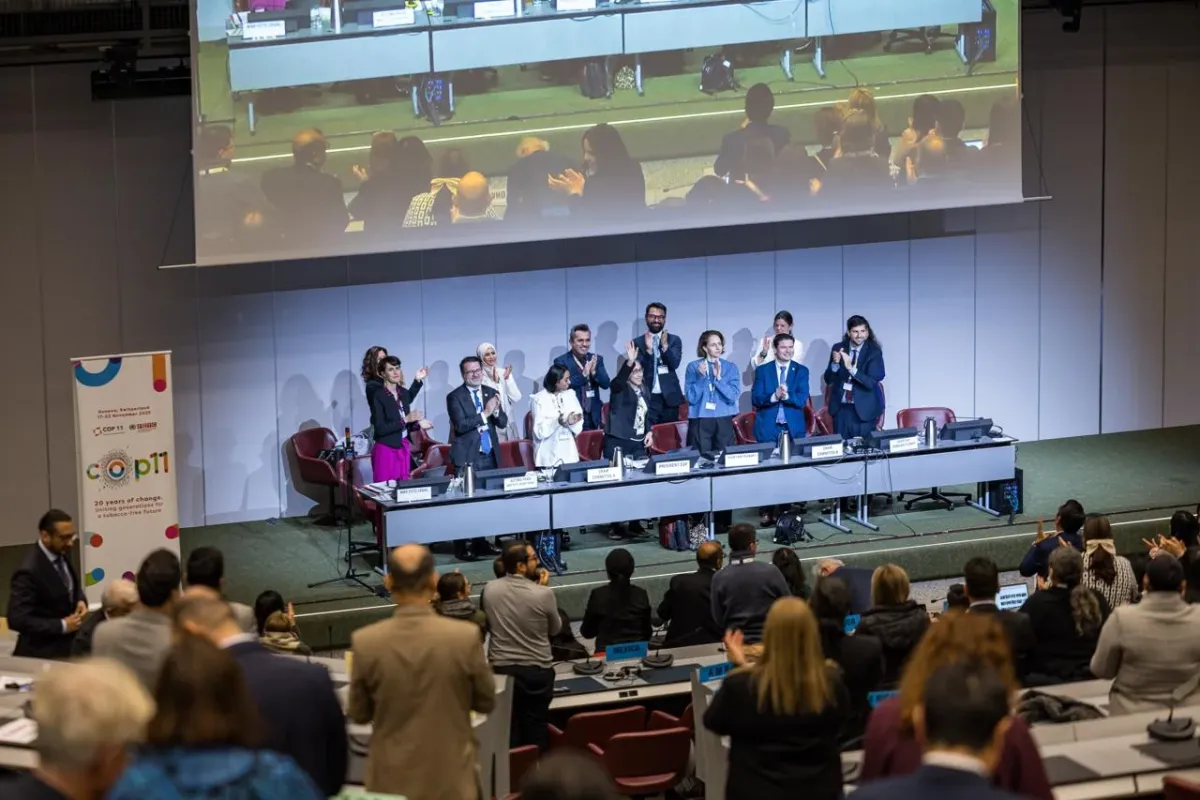
2Firsts, 24 November 2025 — According to an official WHO news release,The Eleventh Session of the Conference of the Parties (COP11) to the WHO Framework Convention on Tobacco Control (WHO FCTC) concluded in Geneva from 17–22 November 2025. A total of 160 Parties gathered to discuss global tobacco control measures under one of the most widely embraced UN treaties dedicated to ending the global tobacco epidemic.
Andrew Black, Acting Head of the Secretariat of the WHO FCTC, said the decisions adopted will help save millions of lives in the years ahead and protect the planet from the environmental harms caused by tobacco.
Key agenda items addressed included the environmental and health impacts of tobacco, including measures to prevent and manage waste from tobacco and nicotine products and related electronic devices. Trillions of cigarette butts containing plastic filters pollute the environment annually.
A decision was adopted inviting Parties to consider comprehensive regulatory options for tobacco and nicotine product components and related external elements that increase environmental harms.
Another decision reaffirmed domestic resource mobilization as a core strategy for achieving sustainable and predictable funding for national tobacco control programmes.
The meeting also addressed Article 19 of the WHO FCTC, which relates to criminal and civil liability for tobacco-related harms. Parties adopted a decision encouraging strengthened implementation of this article through enhanced cooperation.
Forward-looking tobacco control measures under Article 2.1 were also discussed, including approaches that go beyond the Convention’s basic requirements.
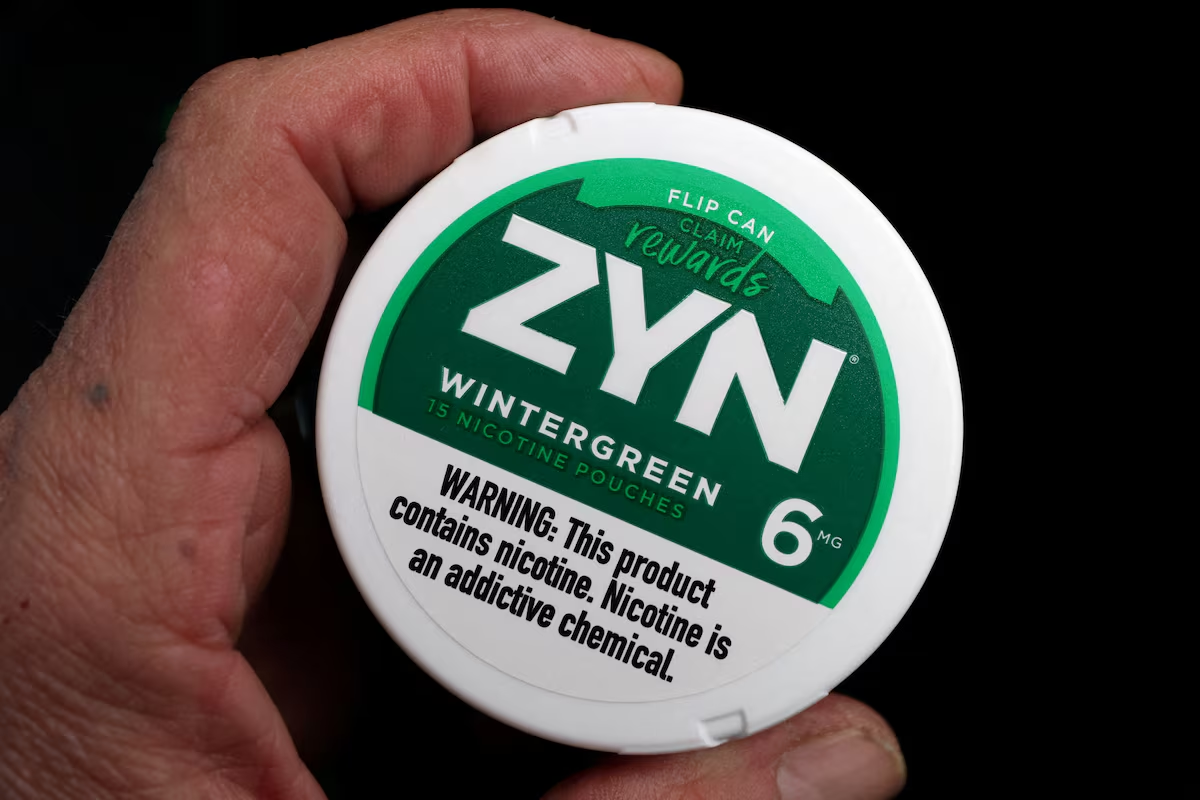
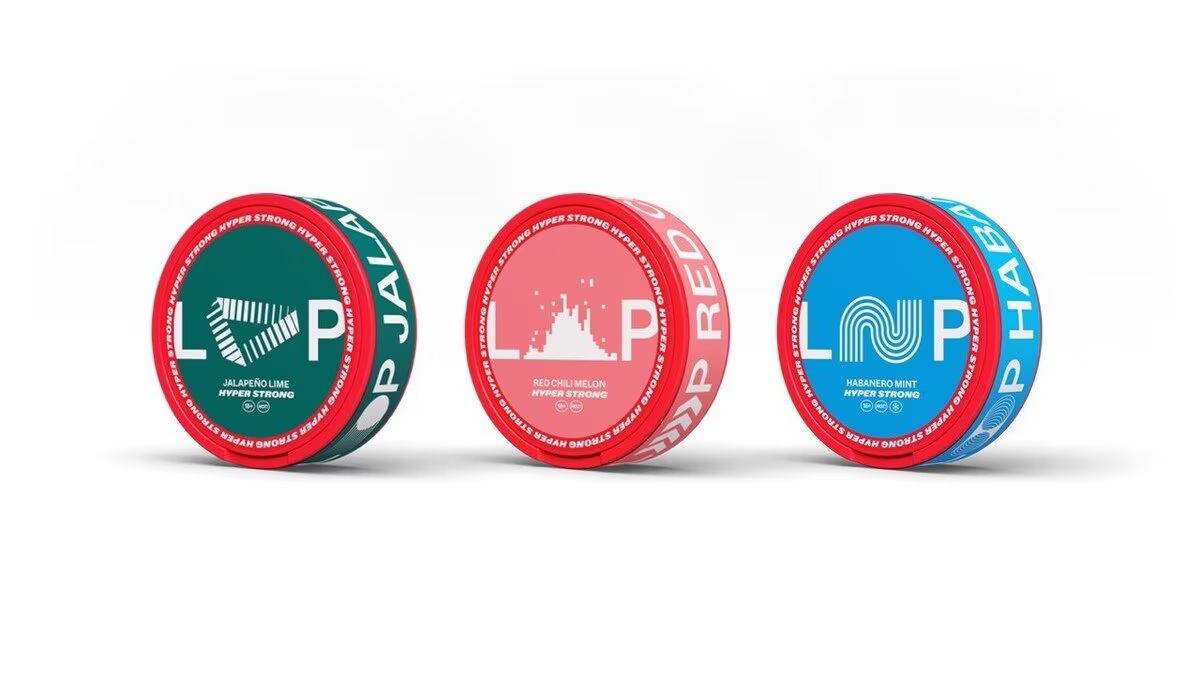
A landmark decision was adopted calling for a complete ban on the use and sale of all tobacco products and all novel and emerging nicotine products—including heated tobacco products, ENDS/ENNDS, nicotine pouches, and disposable ENDS—across all UN indoor and outdoor premises worldwide.
Agenda item 4.5 addressed measures to prevent and reduce nicotine addiction and the need to protect such measures from tobacco industry interference, particularly regarding new products marketed with unproven health claims.
More than 1,600 participants registered for COP11, including Parties, NGOs, and youth observers. It was also announced that COP12 and MOP5 will be held in Yerevan, Armenia, in 2027.
The Meeting of the Parties (MOP) to the Protocol to Eliminate Illicit Trade in Tobacco Products will convene in Geneva on 24–26 November to discuss strategies to advance implementation of the Protocol.
Image source: WHO Framework Convention on Tobacco Control
We welcome news tips, article submissions, interview requests, or comments on this piece.
Please contact us at info@2firsts.com, or reach out to Alan Zhao, CEO of 2Firsts, on LinkedIn
Notice
1. This article is intended solely for professional research purposes related to industry, technology, and policy. Any references to brands or products are made purely for objective description and do not constitute any form of endorsement, recommendation, or promotion by 2Firsts.
2. The use of nicotine-containing products — including, but not limited to, cigarettes, e-cigarettes, nicotine pouchand heated tobacco products — carries significant health risks. Users are responsible for complying with all applicable laws and regulations in their respective jurisdictions.
3. This article is not intended to serve as the basis for any investment decisions or financial advice. 2Firsts assumes no direct or indirect liability for any inaccuracies or errors in the content.
4. Access to this article is strictly prohibited for individuals below the legal age in their jurisdiction.
Copyright
This article is either an original work created by 2Firsts or a reproduction from third-party sources with proper attribution. All copyrights and usage rights belong to 2Firsts or the original content provider. Unauthorized reproduction, distribution, or any other form of unauthorized use by any individual or organization is strictly prohibited. Violators will be held legally accountable.
For copyright-related inquiries, please contact: info@2firsts.com
AI Assistance Disclaimer
This article may have been enhanced using AI tools to improve translation and editorial efficiency. However, due to technical limitations, inaccuracies may occur. Readers are encouraged to refer to the cited sources for the most accurate information.
We welcome any corrections or feedback. Please contact us at: info@2firsts.com