Victoria’s health promotion agency has called for an overhaul of vaping regulations ahead of the November election, warning a new generation could become addicted to nicotine if the state does not act.
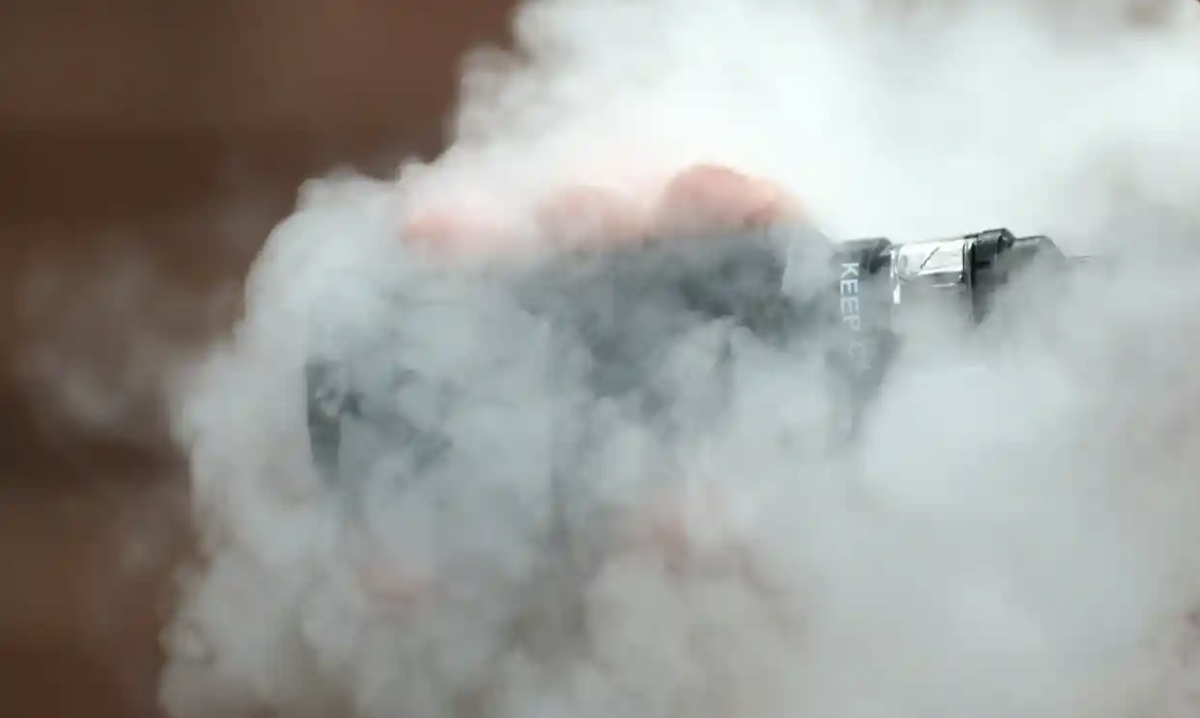
VicHealth’s chief executive, Dr Sandro Demaio, said there had been an “explosion” of young people using e-cigarettes in the state, despite it being illegal to sell or supply the devices to under-18s – regardless of whether they contain nicotine.
“It’s an enormous issue,” Demaio said. “I travel across Victoria in this role and just this week I was in the far north of the state, hearing from parents, community leaders and young people themselves, who were saying more people in their school vape than don’t. I was hearing from kids as young as 10, 11, 12 who are addicted.
Uber broke laws, duped police and secretly lobbied governments, leak reveals
‘Violence guarantees success’: how Uber exploited taxi protestsUber bosses told staff to use ‘kill switch’ during raids to stop police seeing dataBannon initiates talks with January 6 panel on testifying over Capitol attackKamala Harris urges voters to elect a ‘pro-choice Congress’ in midterms
Uber broke laws, duped police and secretly lobbiedgovernments, leak reveals
Uber broke laws, duped police and secretly lobbied governments, leak reveals
“We know these products are highly addictive and contain dozens of chemicals that do not belong in the lungs, including formaldehyde, which is known to cause cancer and damage the brain. Even those that claim not to contain nicotine in fact do. But there’s just a total lack of leadership and regulation.”
Young man smoking
Teens and vaping: ‘We would have had a nicotine-free generation’
Read more
The Australian government introduced regulations requiring people to have a prescription to buy e-cigarettes containing nicotine last October. The move was designed to prevent teenagers from taking up vaping, while still allowing adults to use e-cigarettes as smoking cessation devices.
But Demaio said it had allowed for a black market to thrive.
He pointed to a recent ABC Four Corners report, which documented the ease with which young people could buy e-cigarettes via social media channels such as Facebook, Instagram, Snapchat and TikTok, at convenience stores or from online retailers.
“We know young people are able to access vapes in a very short period of time and at a very low cost. The packaging often doesn’t declare that it contains nicotine as a way of getting it across the border into the country, so the black market is becoming a much bigger and bigger issue,” Demaio said.
It comes after the opposition last month vowed to immediately crack down on the selling of e-cigarettes to children if elected in November.
In a statement, opposition leader, Matthew Guy, and health spokesperson, Georgie Crozier, said they would increase policing to monitor and restrict the selling of e-cigarettes to Victorians without a prescription and launch an education campaign in schools on the dangers of vaping.
The content excerpted or reproduced in this article comes from a third-party, and the copyright belongs to the original media and author. If any infringement is found, please contact us to delete it. Any entity or individual wishing to forward the information, please contact the author and refrain from forwarding directly from here.