Recently, the European Union officially approved the law banning the sale of disposable e-cigarettes in France, paving the way for the implementation of the ban in the coming months.
E-cigarettes, as a new emerging nicotine delivery method, have gained rapid popularity in Europe in recent years, especially among young people. While some view e-cigarettes as a substitute for traditional tobacco products, they have also raised widespread health and environmental concerns. From the UK government's announcement in January to ban disposable e-cigarettes, to the European Union approving France's e-cigarette ban, e-cigarette regulations are now taking shape in various countries across Europe.
Here is a detailed summary by 2Firsts of the e-cigarette ban in France.

Original proposal: Ban the sale of disposable e-cigarettes and increase the additional consumption tax on tobacco products. Translation: The proposal suggests banning the sale of disposable e-cigarettes and increasing the additional consumption tax on tobacco products.
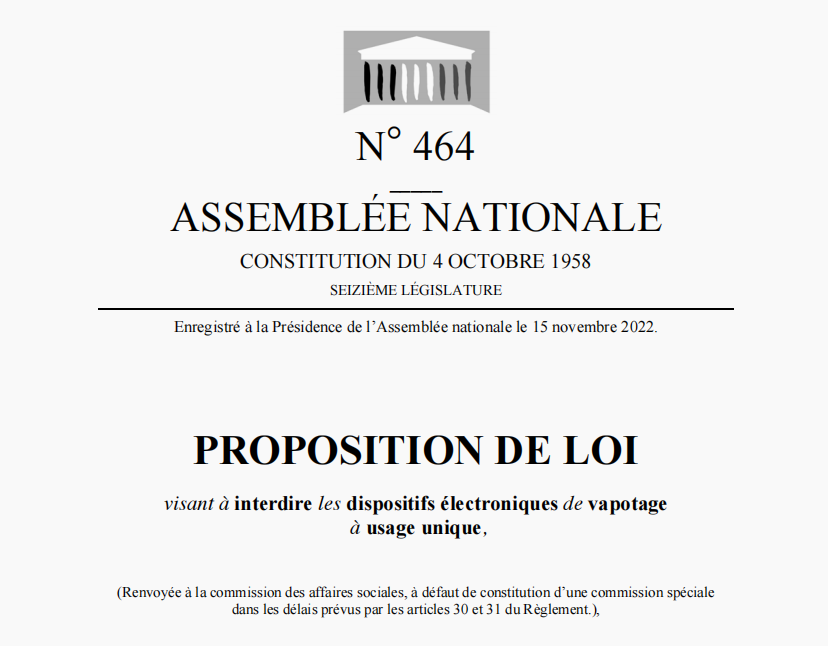
On November 15, 2022, members of the Ecology Party, Francesca Pasquini, and of the Renaissance Party, Michel Lauzzana, submitted a legal proposal numbered 464, known as the 464 proposal, aimed at banning disposable e-cigarettes. The proposal has received wide support.
Proposal 464 has elaborated on disposable e-cigarettes, explaining its motivations and stating that disposable e-cigarettes have negative impacts on public health and the environment.
These devices typically include a reservoir filled with liquid (whether containing nicotine or not) and a pre-charged battery. By banning disposable e-cigarettes, the proposal hopes to reduce their negative impact on public health policies, as these devices may have adverse effects on efforts to reduce smoking. These devices are harmful to the environment due to their disposable nature, as they are primarily made of plastic materials and non-removable batteries (usually lithium-ion batteries), posing a direct and long-term danger to the environment.
Furthermore, the proposal mainly consists of two points, including banning disposable e-cigarettes and implementing measures to compensate for the resulting tax revenue loss.
Firstly, a new provision (L. 3513-6-1) is to be added to the first section of the French Public Health Code, which will prohibit the manufacture, sale, distribution, or free provision of disposable e-cigarettes. Secondly, in order to compensate for any potential tax revenue losses resulting from the ban on disposable e-cigarettes, the proposal suggests an additional excise tax on tobacco products.
Although the proposal provided a brief explanation of disposable e-cigarettes, in terms of implementation details, the proposal added that the technical characteristics of the prohibited devices, among other things, will be defined by the minister responsible for social affairs through legislation.
It is worth noting that, as reported by 2Firsts, details of the implementation of the EU-approved e-cigarette ban in France reveal that the ban only applies to disposable e-cigarettes and not other rechargeable e-cigarettes. The law prohibits the manufacturing, selling, or free distribution of disposable e-cigarettes, with violators facing a fine of 100,000 euros.
An overview of the ban implementation process: from proposal to deliberation, and then EU approval.
Since the proposal of the ban was first brought up by France in November 2022, it has been nearly two years, with the support of the European Union being the final step for France to implement the ban. The next step is for the French parliament and senate to hold final votes on the ban, and once passed, the ban will officially take effect.
Here is an overview of the implementation process of the French ban:
On November 15, 2022, Ecological Party member Francesca Pascini submitted a proposal to ban disposable e-cigarettes in parliament.
On November 14, 2023, the French National Assembly began discussions on this proposal.
On November 28, 2023, Minister of Health and Prevention Aurélien Rousseau publicly announced at the national anti-smoking campaign launch that France will ban the sale of disposable e-cigarettes.
On December 4, 2023, the French National Assembly unanimously passed the bill.
On February 2, 2024, members of the French Senate's Social Affairs Committee passed the bill.
On March 21, 2024, the French parliament reached an agreement to ban disposable e-cigarettes.
On October 10, 2024, the European Union approved the law.
The online visibility of disposable e-cigarette products is decreasing.
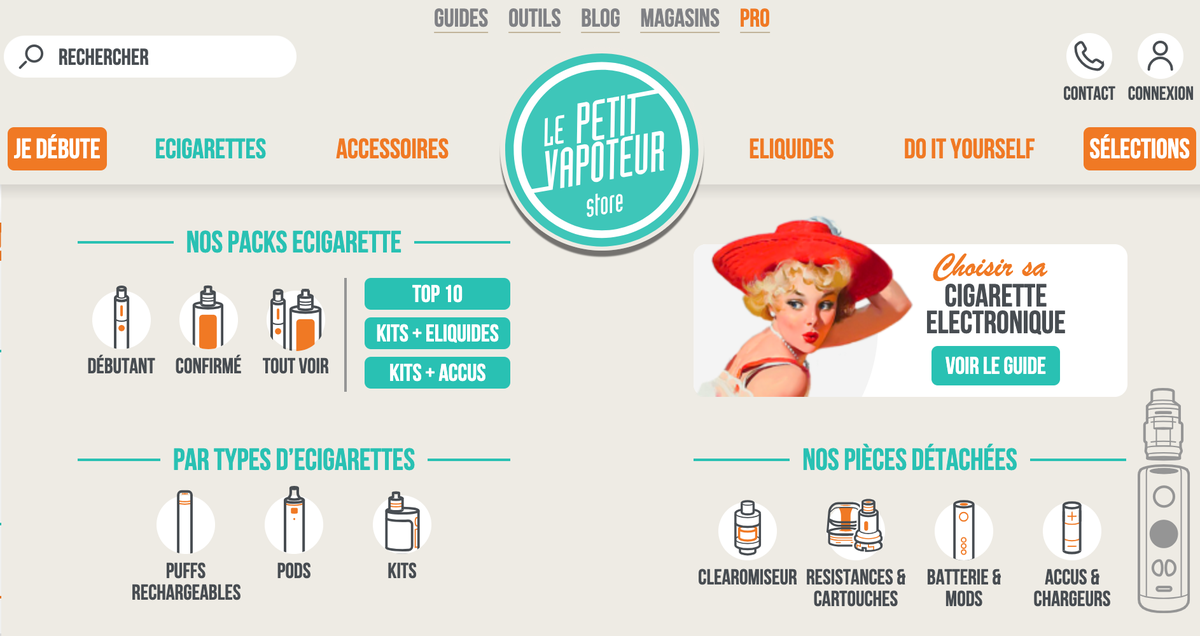
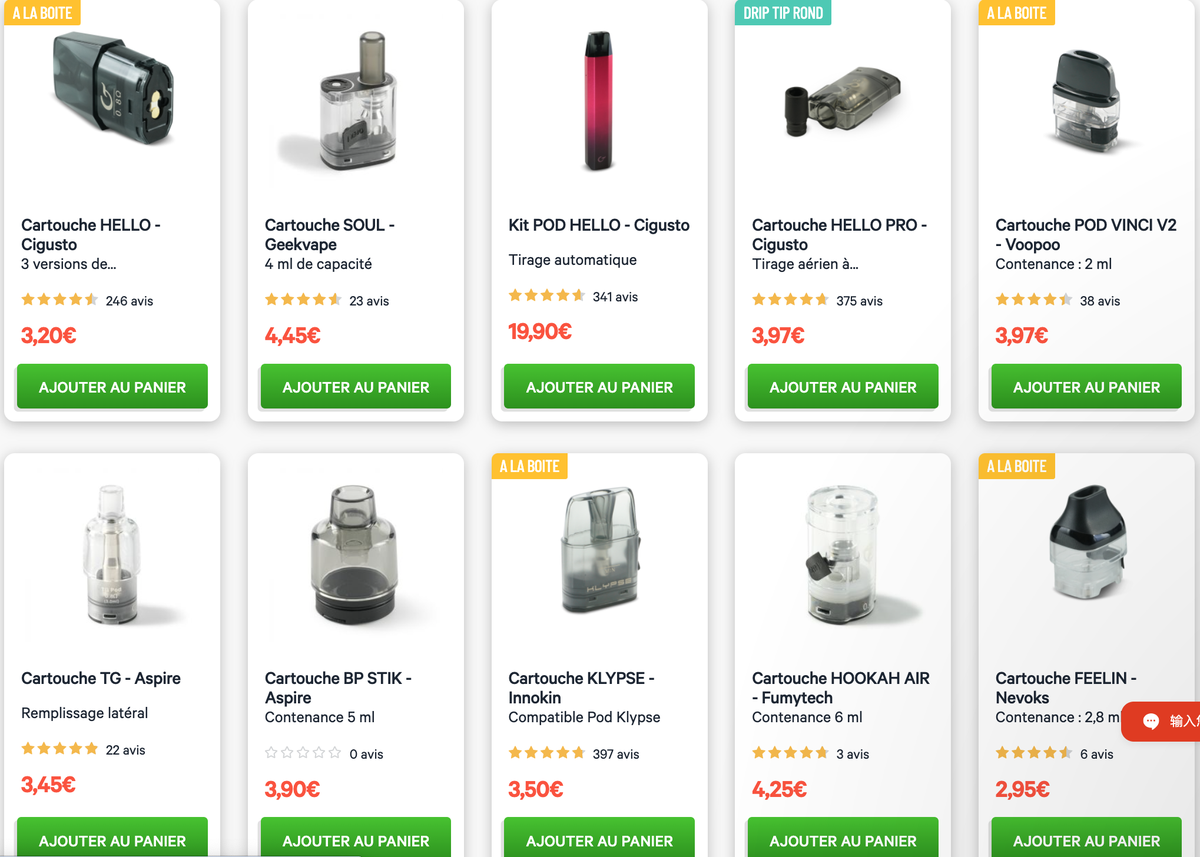
Upon reviewing French e-cigarette retail websites, 2Firts found that, although the ban on disposable e-cigarettes has not yet been fully implemented, including websites such as lepetitvapoteur, vapoter.fr, cigusto, and vapostore, there is a lower presence of disposable e-cigarette products on the homepage. Some websites require searching for specific keywords in order to find these products.
In addition, some e-cigarette retail websites have removed the category of disposable e-cigarettes from their product listings.
We welcome news tips, article submissions, interview requests, or comments on this piece.
Please contact us at info@2firsts.com, or reach out to Alan Zhao, CEO of 2Firsts, on LinkedIn
Notice
1. This article is intended solely for professional research purposes related to industry, technology, and policy. Any references to brands or products are made purely for objective description and do not constitute any form of endorsement, recommendation, or promotion by 2Firsts.
2. The use of nicotine-containing products — including, but not limited to, cigarettes, e-cigarettes, nicotine pouchand heated tobacco products — carries significant health risks. Users are responsible for complying with all applicable laws and regulations in their respective jurisdictions.
3. This article is not intended to serve as the basis for any investment decisions or financial advice. 2Firsts assumes no direct or indirect liability for any inaccuracies or errors in the content.
4. Access to this article is strictly prohibited for individuals below the legal age in their jurisdiction.
Copyright
This article is either an original work created by 2Firsts or a reproduction from third-party sources with proper attribution. All copyrights and usage rights belong to 2Firsts or the original content provider. Unauthorized reproduction, distribution, or any other form of unauthorized use by any individual or organization is strictly prohibited. Violators will be held legally accountable.
For copyright-related inquiries, please contact: info@2firsts.com
AI Assistance Disclaimer
This article may have been enhanced using AI tools to improve translation and editorial efficiency. However, due to technical limitations, inaccuracies may occur. Readers are encouraged to refer to the cited sources for the most accurate information.
We welcome any corrections or feedback. Please contact us at: info@2firsts.com