Key points:
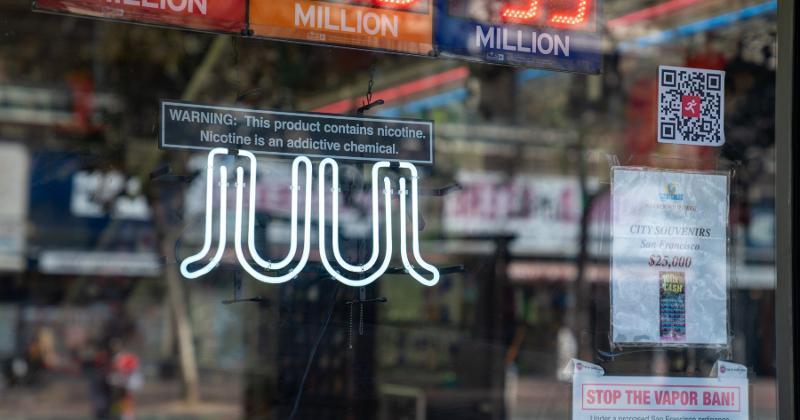
·FDA approves Juul products: The U.S. Food and Drug Administration (FDA) has approved market authorization orders (MGOs) for five Juul e-cigarette products.
·Juul stated that over 2 million Americans have completely quit combustible tobacco products by using their products, with the company aiming to make cigarettes a thing of the past.
·Support and criticism:
1.The Vapor Technology Association's executive director, Tony Abboud, believes that FDA's approval is a step in the right direction to help adults quit smoking, but that a single authorization is not enough to reduce the harm caused by cigarettes.
2.Yolanda Richardson, president of the Campaign for Tobacco-Free Kids, criticized the FDA's decision as a "major setback" in preventing youth from using e-cigarettes, pointing out that Juul products remain popular among teenagers.
·Industry impacts:
1.Risk for the independent e-cigarette industry: Abboud stated that FDA authorization has allowed Customs and Border Protection to seize products under illegal regulations, threatening thousands of small American businesses and limiting adult Americans' access to their favorite products.
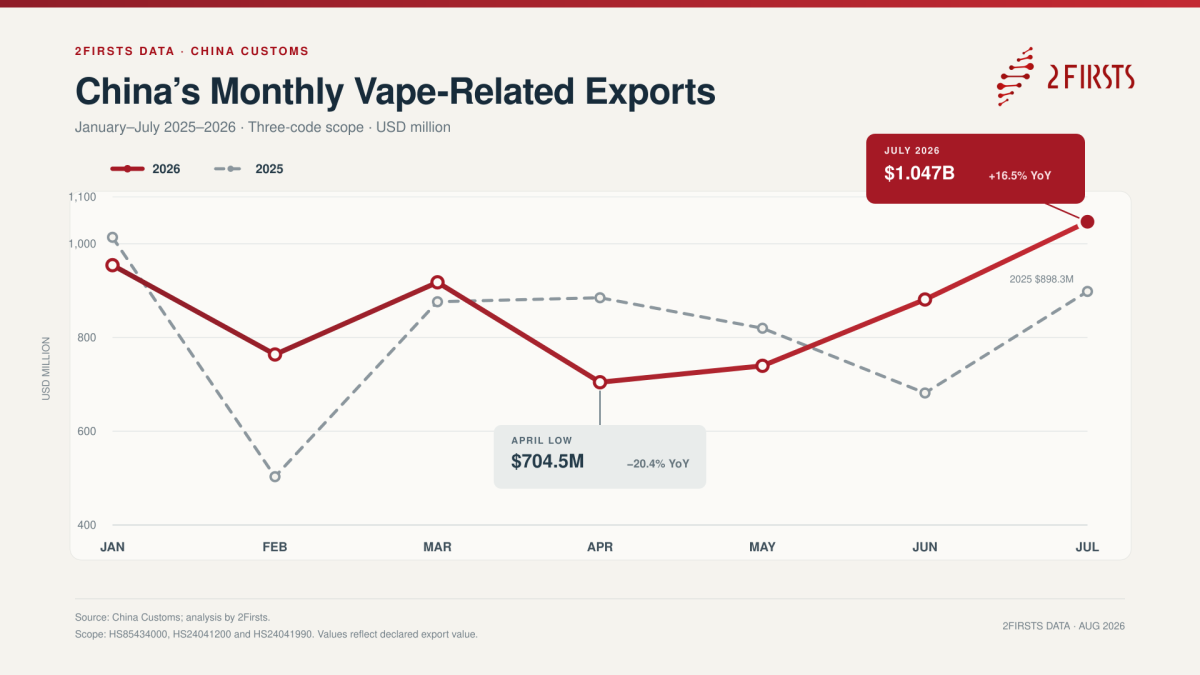
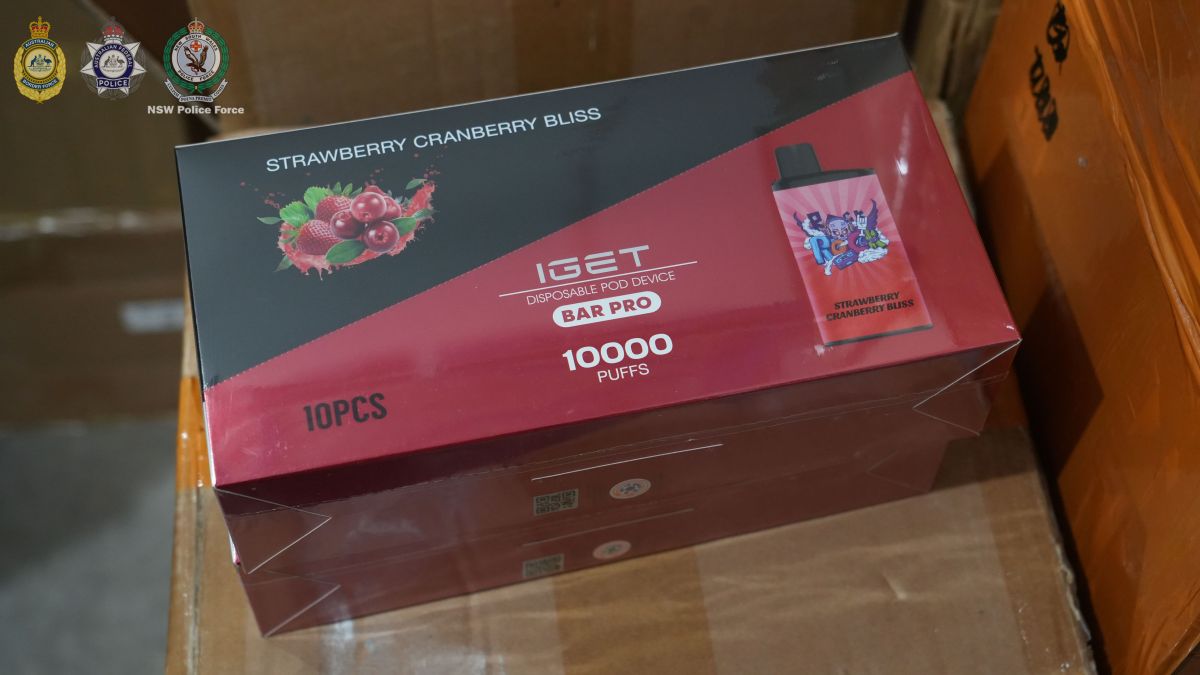
2.Convenience store industry calls for action: The National Association of Convenience Stores (NACS) and other related associations are urging the federal government to crack down on illegal e-cigarette products from China being sold in the market, as the convenience store industry is losing sales share "systematically."
·FDA authorization status: To date, FDA has authorized 39 e-cigarette products, which are currently the only e-cigarette products legally allowed to be sold in the U.S.
【2Firsts News Flash】According to a report from CSP on July 22, the US FDA has approved market authorization orders (MGO) for five Juul products. The e-cigarette manufacturer has stated that over 2 million Americans have completely quit combustible tobacco products by using Juul. The Washington-based company has expressed its goal of making cigarettes obsolete.
“For us, this mission is non-negotiable: we are the only company in the US market with a product market authorization and do not sell cigarettes.”
Juul stated in a press release.
Supporters of the organization's latest decision include Tony Abboud, the executive director of the Vapor Technology Association in the United States, who believes that more authorization is still needed.
“The American E-Cigarette Technology Association acknowledges that the FDA approval of Juul Labs' e-cigarette products for sale in the United States is a long-awaited step that reaffirms the role of e-cigarettes in helping adults quit smoking. However, this one-time authorization is far from sufficient to reduce the harm caused by traditional cigarettes.”
Abdul expressed in a statement.
He also stated that the independent e-cigarette industry in the United States faces the risk of being shut down.
“The FDA has authorized Customs and Border Protection (CBP) to seize products at the border in accordance with an illegal regulation. These seizures threaten tens of thousands of American small businesses and restrict access for adult Americans to their favorite products, which hold more than 70% of the market share.”
He said.
The authorization was made after years of FDA review, but has been questioned by some, including Yolanda Richardson, President and CEO of the Campaign for Tobacco-Free Kids. She believes the decision is a "significant setback" in preventing youth from using e-cigarettes.
“This is why Juul had to pay over $11 billion to settle lawsuits brought by states and other parties. Despite a recent decrease in the proportion of teenagers using e-cigarettes, Juul products remain popular among youth. According to the 2024 National Youth Tobacco Survey, Juul is still one of the top five most popular e-cigarette brands among American teenagers, including 12.6% of current middle and high school e-cigarette users. Juul is the third most popular e-cigarette brand among middle school e-cigarette users.”
Richard said in a statement.
On July 18, the National Association of Convenience Stores (NACS) along with four associations related to the convenience store and travel center industry urged the federal government to crack down on the sale of illegal e-cigarette products from China in the market.
In a letter dated July 18, these organizations stated that the convenience store industry is "systematically" losing market share due to some companies selling illegal products.
Up to now, the FDA has authorized 39 e-cigarette products. These are currently the only e-cigarette products that can be legally sold in the US market.
We welcome news tips, article submissions, interview requests, or comments on this piece.
Please contact us at info@2firsts.com, or reach out to Alan Zhao, CEO of 2Firsts, on LinkedIn
Notice
1. This article is intended solely for professional research purposes related to industry, technology, and policy. Any references to brands or products are made purely for objective description and do not constitute any form of endorsement, recommendation, or promotion by 2Firsts.
2. The use of nicotine-containing products — including, but not limited to, cigarettes, e-cigarettes, nicotine pouchand heated tobacco products — carries significant health risks. Users are responsible for complying with all applicable laws and regulations in their respective jurisdictions.
3. This article is not intended to serve as the basis for any investment decisions or financial advice. 2Firsts assumes no direct or indirect liability for any inaccuracies or errors in the content.
4. Access to this article is strictly prohibited for individuals below the legal age in their jurisdiction.
Copyright
This article is either an original work created by 2Firsts or a reproduction from third-party sources with proper attribution. All copyrights and usage rights belong to 2Firsts or the original content provider. Unauthorized reproduction, distribution, or any other form of unauthorized use by any individual or organization is strictly prohibited. Violators will be held legally accountable.
For copyright-related inquiries, please contact: info@2firsts.com
AI Assistance Disclaimer
This article may have been enhanced using AI tools to improve translation and editorial efficiency. However, due to technical limitations, inaccuracies may occur. Readers are encouraged to refer to the cited sources for the most accurate information.
We welcome any corrections or feedback. Please contact us at: info@2firsts.com