Statement:
This article is solely focused on conducting research on relevant industries and overseas markets. It does not recommend any products or comment on any domestic policies.
The legality of the products mentioned in the article is only applicable in their respective overseas countries. Chinese readers are advised to pay attention to and strictly abide by relevant laws and regulations in China.
This article does not constitute any investment or consumption advice.
This article is prohibited for minors to read.
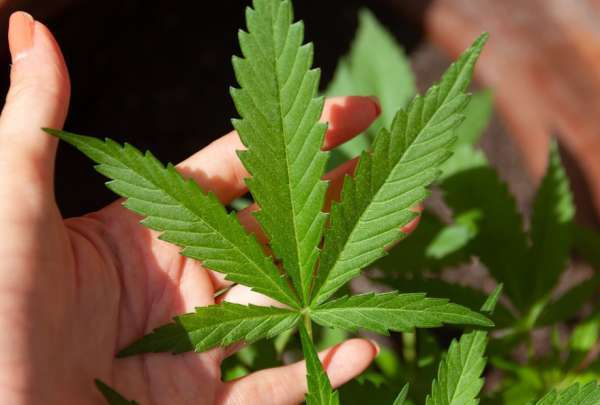
According to a report by NHK on March 29th, starting from April 1st, Germany will legalize the possession and consumption of marijuana for citizens above 18 years old. However, there will be restrictions on the amount one can possess, where it can be used, and harsher penalties for transferring marijuana to individuals under 18 years old. This legalization is aimed at reducing the black market and decreasing drug-related crimes.
The bill stipulates that individuals can legally possess up to 25 grams of marijuana (up to 50 grams for households), allowing for the removal of past marijuana possession convictions and legalization of home cultivation. It also allows for the cultivation of three marijuana plants for personal use and establishes a regulatory framework for non-profit associations to grow and supply marijuana to their members.
The government claims that this will help curb the black market, combat drug crimes, and ensure product safety and quality. However, opponents argue that this overlooks health risks, especially for young people.
Opposition Christian Democratic Union politician and Chairman of the Parliamentary Health Committee, Erwin Rudel, stated, "Currently, the judicial system, police, and local governments have all raised numerous criticisms because the new law is not being properly enforced." His party has pledged to repeal the law if they regain power next year.
According to a YouGov survey, 42% of respondents indicated that they support the legalization of [something], to some extent or completely, while 47% of respondents indicated that they oppose the legalization to some extent or completely. Additionally, 11% of people did not provide an answer.
According to documents released by the British organization Release, nearly 500 million people worldwide have legal access to cannabis for non-medical purposes, indicating a significant number of individuals live in jurisdictions where adult use of marijuana is allowed. The trend of cannabis legalization and regulation is increasing globally.
We welcome news tips, article submissions, interview requests, or comments on this piece.
Please contact us at info@2firsts.com, or reach out to Alan Zhao, CEO of 2Firsts, on LinkedIn
Notice
1. This article is intended solely for professional research purposes related to industry, technology, and policy. Any references to brands or products are made purely for objective description and do not constitute any form of endorsement, recommendation, or promotion by 2Firsts.
2. The use of nicotine-containing products — including, but not limited to, cigarettes, e-cigarettes, nicotine pouchand heated tobacco products — carries significant health risks. Users are responsible for complying with all applicable laws and regulations in their respective jurisdictions.
3. This article is not intended to serve as the basis for any investment decisions or financial advice. 2Firsts assumes no direct or indirect liability for any inaccuracies or errors in the content.
4. Access to this article is strictly prohibited for individuals below the legal age in their jurisdiction.
Copyright
This article is either an original work created by 2Firsts or a reproduction from third-party sources with proper attribution. All copyrights and usage rights belong to 2Firsts or the original content provider. Unauthorized reproduction, distribution, or any other form of unauthorized use by any individual or organization is strictly prohibited. Violators will be held legally accountable.
For copyright-related inquiries, please contact: info@2firsts.com
AI Assistance Disclaimer
This article may have been enhanced using AI tools to improve translation and editorial efficiency. However, due to technical limitations, inaccuracies may occur. Readers are encouraged to refer to the cited sources for the most accurate information.
We welcome any corrections or feedback. Please contact us at: info@2firsts.com