36% of adults buy e-cigarettes for minors, says UK retailer Haypp

Nov.06.2024
36% of adults buy e-cigarettes for minors, says UK retailer Haypp
A report by UK e-cigarette retailer Haypp reveals that 36% of respondents admitted to purchasing e-cigarettes for minors. Haypp supports the implementation of a stricter licensing system to protect young people.

According to a report by *Talking Retail* on November 5, Markus Lindblad of UK e-cigarette retailer Haypp stated that the company has always supported the implementation of a strict licensing system for e-cigarette, nicotine pouch, and tobacco product retailers in the UK.


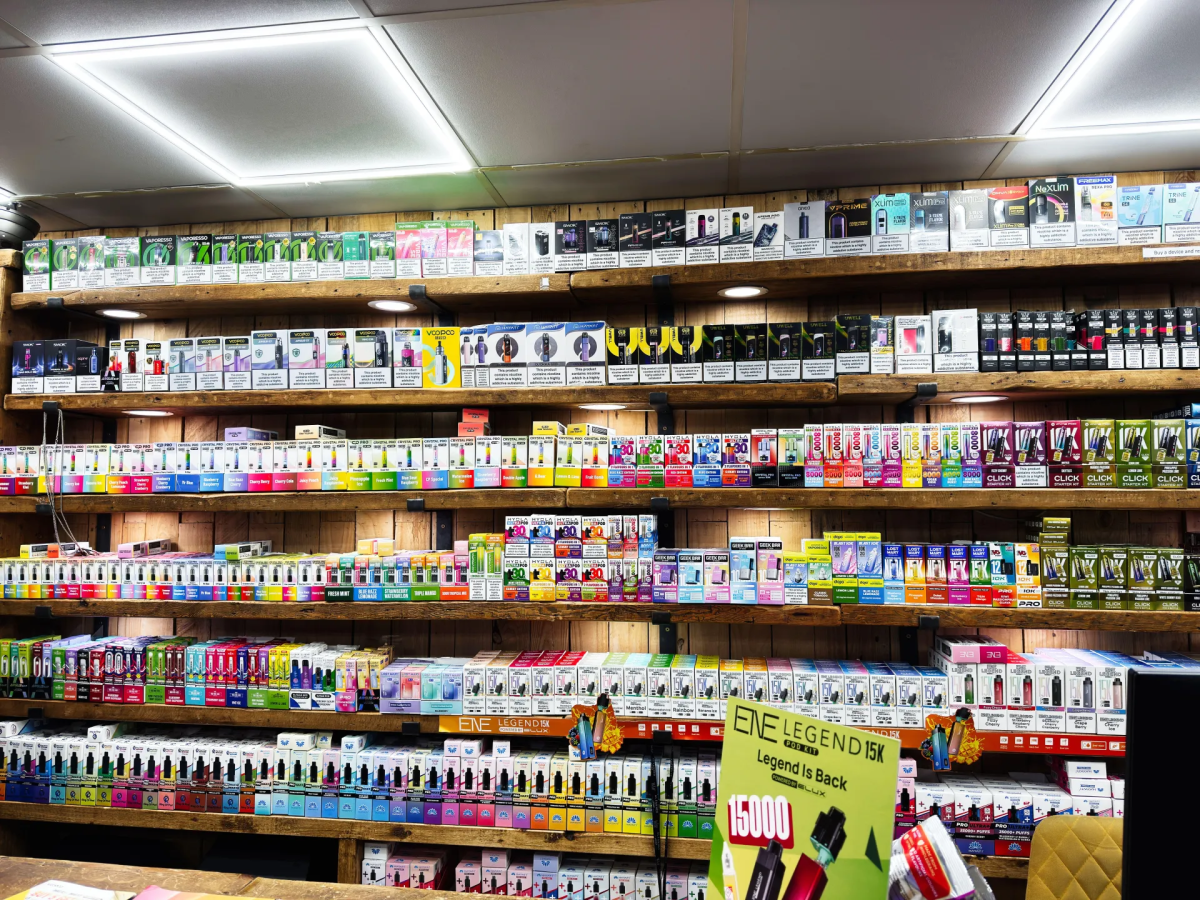
He pointed out that the lack of a strict licensing system in the UK has led to a "wild west" market environment where almost anyone can open an e-cigarette shop. This has not only created challenges for responsible retailers but also significantly increased the risks of minors using e-cigarettes and unregulated products entering the market.


The e-cigarette report published by Haypp revealed that among the e-cigarette users surveyed, 54% made legal purchases, while 18% of underage users first bought e-cigarettes from stores, 10% purchased them online, and 7% bought them from large supermarket chains. Additionally, 36% of respondents admitted to buying e-cigarettes for minors, with 11% doing so regularly.


Lindblad added, "What we need now are proper penalties and enforcement mechanisms. A licensing system can only work effectively if strong economic penalties are imposed, and law enforcement agencies are adequately resourced to enforce the laws."


Lindblad also emphasized that Haypp is keen to understand the specific details of the proposed regulations and advocates for focusing on inappropriate flavor names rather than restricting the flavors themselves.

We welcome news tips, article submissions, interview requests, or comments on this piece.

Please contact us at info@2firsts.com, or reach out to Alan Zhao, CEO of 2Firsts, on LinkedIn


Notice

1.  This article is intended solely for professional research purposes related to industry, technology, and policy. Any references to brands or products are made purely for objective description and do not constitute any form of endorsement, recommendation, or promotion by 2Firsts.

2.  The use of nicotine-containing products — including, but not limited to, cigarettes, e-cigarettes, nicotine pouchand heated tobacco products — carries significant health risks. Users are responsible for complying with all applicable laws and regulations in their respective jurisdictions.

3.  This article is not intended to serve as the basis for any investment decisions or financial advice. 2Firsts assumes no direct or indirect liability for any inaccuracies or errors in the content.

4.  Access to this article is strictly prohibited for individuals below the legal age in their jurisdiction.


Copyright


This article is either an original work created by 2Firsts or a reproduction from third-party sources with proper attribution. All copyrights and usage rights belong to 2Firsts or the original content provider. Unauthorized reproduction, distribution, or any other form of unauthorized use by any individual or organization is strictly prohibited. Violators will be held legally accountable.

For copyright-related inquiries, please contact: info@2firsts.com


AI Assistance Disclaimer


This article may have been enhanced using AI tools to improve translation and editorial efficiency. However, due to technical limitations, inaccuracies may occur. Readers are encouraged to refer to the cited sources for the most accurate information.

We welcome any corrections or feedback. Please contact us at: info@2firsts.com

Bringing Tax and Insurance Into Nicotine Regulation: Insights From a Tobacco Harm-Reduction Report
A smoke-free nicotine policy report argues that tobacco harm reduction should move beyond product bans and health warnings into tax policy, insurance pricing and risk-based regulation. While some projections remain open to debate, the report highlights a wider challenge: nicotine products, technologies and consumer behavior have changed sharply over the past decade, and regulatory systems may need new tools to better align tobacco control with harm-reduction goals.
Jun.08
Special Report | China’s Tobacco Tax Debate Shifts Toward Tax Design as Policy Trade-offs Come Into Focus
China’s tobacco tax debate is moving from whether to raise prices to how the tax system should be designed. At a Beijing forum on World No Tobacco Day, experts discussed higher specific excise taxes, minimum tax burdens and dynamic adjustments linked to income and inflation. The issue also connects to China’s broader consumption tax reform, health financing and chronic disease costs. Public reports did not mention e-cigarettes, heated tobacco, nicotine pouches or other new nicotine products.
Jun.11
FDA Tobacco Center Pushes Review-Efficiency Statement After Commissioner’s Exit
FDA CTP issued a May 7 statement on accelerating product review and improving PMTA efficiency, but did not push it via official X and newsletter until May 13, one day after FDA Commissioner Marty Makary’s resignation was confirmed. FDA has not explained the delay, and no public evidence links it directly to the leadership change. The timing is notable given CTP’s usual 24-hour distribution practice.
Special Report
May.14
China Tobacco International HK Warns First-Half Revenue May Fall 25%-30%, Tobacco Leaf and Duty-Free Exposure Highlight Reliance on Traditional Tobacco
CTIHK expects first-half 2026 revenue to fall 25%-30%, mainly due to lower tobacco leaf imports and delayed cigarette shipments to China’s domestic duty-free market. Its 2025 revenue mix—nearly 90% from tobacco leaf-related businesses and less than 1% from new tobacco products—shows continued exposure to traditional supply chains and trade variables.
Jun.18
Malaysian Tobacco Control Groups Call for Annual 5% Tobacco Tax Hike
According to The Star and The Edge Malaysia, tobacco control groups in Malaysia have urged the government to raise tobacco taxes by at least 5% annually, saying the measure could reduce smoking rates and fund public health and social programmes.
News
May.26
Ireland Vape Bill Passes Dáil, Setting Limits on Flavours, Packaging and Retail Display
Ireland’s Public Health (Tobacco Products and Nicotine Inhaling Products) (Amendment) Bill 2026 has passed final stage in the Dáil and will move to the Seanad, with measures to limit vape flavours to tobacco or unflavoured products and tighten rules on packaging colours, retail advertising, in-store displays and sales of nicotine pouches to minors.
News
Jun.26 by 2Firsts Perspectives