Higher Nicotine Pouch Use Among US Soldiers Revealed

Jan.13.2025
Higher Nicotine Pouch Use Among US Soldiers Revealed
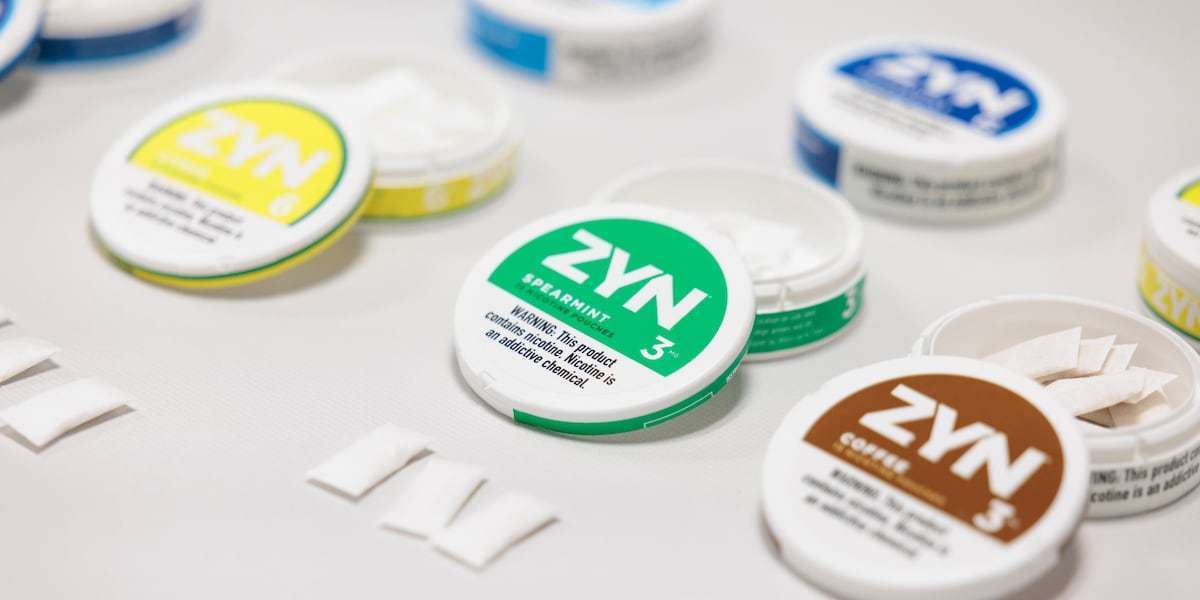
A new study by 29News on Jan 9 shows US soldiers are ten times more likely to use nicotine pouches like ZYN than civilians.

According to a report from 29News on January 9th, a recent study has shown that American soldiers are ten times more likely to use nicotine pouches like ZYN compared to the general population.


A survey conducted at the largest military base in the United States, Fort Bragg, found that 23.8% of service members reported using nicotine pouches at least once in the past 10 days. In contrast, a study of American adults in 2022 found that only 2.9% had used them in the same time period.


The study's co-author, Melissa Little, director of the Nicotine and Tobacco Research Center at the University of Virginia, pointed out that these nicotine pouches are not regulated by the FDA like tobacco products. While some believe that synthetic nicotine may be safer than tobacco, doctors warn that it is too early to draw any conclusions.


Littrell stated that addiction is more common among young and white male soldiers. Despite nicotine and tobacco use historically being a part of military culture, these nicotine pouches are particularly difficult to regulate.


Unlike cigarettes, soldiers can use these nicotine pouches anytime in the field and during training. Littrell says she is not against soldiers choosing to use nicotine pouches, but she hopes they can fully understand the health information and potential risks. She points out that it will take time to determine the specific extent of these risks.


For public health professionals, solving this issue will be particularly challenging, especially among young people and military personnel.


We welcome news tips, article submissions, interview requests, or comments on this piece.

Please contact us at info@2firsts.com, or reach out to Alan Zhao, CEO of 2Firsts, on LinkedIn


Notice

1.  This article is intended solely for professional research purposes related to industry, technology, and policy. Any references to brands or products are made purely for objective description and do not constitute any form of endorsement, recommendation, or promotion by 2Firsts.

2.  The use of nicotine-containing products — including, but not limited to, cigarettes, e-cigarettes, nicotine pouchand heated tobacco products — carries significant health risks. Users are responsible for complying with all applicable laws and regulations in their respective jurisdictions.

3.  This article is not intended to serve as the basis for any investment decisions or financial advice. 2Firsts assumes no direct or indirect liability for any inaccuracies or errors in the content.

4.  Access to this article is strictly prohibited for individuals below the legal age in their jurisdiction.


Copyright


This article is either an original work created by 2Firsts or a reproduction from third-party sources with proper attribution. All copyrights and usage rights belong to 2Firsts or the original content provider. Unauthorized reproduction, distribution, or any other form of unauthorized use by any individual or organization is strictly prohibited. Violators will be held legally accountable.

For copyright-related inquiries, please contact: info@2firsts.com


AI Assistance Disclaimer


This article may have been enhanced using AI tools to improve translation and editorial efficiency. However, due to technical limitations, inaccuracies may occur. Readers are encouraged to refer to the cited sources for the most accurate information.

We welcome any corrections or feedback. Please contact us at: info@2firsts.com

FDA Foreign Tobacco Registration Proposal Could Strengthen ENDS Import Oversight, Azim Chowdhury Says
FDA’s proposed rule requiring foreign tobacco manufacturers to register establishments and list products is more than routine paperwork, Keller and Heckman LLP partner Azim Chowdhury told 2Firsts. He said it could strengthen FDA’s import enforcement, inspections and market surveillance. Chinese e-cigarette OEM/ODM manufacturers, specification developers, brand owners and component suppliers may need to review their roles, product data and U.S. market authorization status.
Special Report
Jun.29
Trump’s Tobacco Investments and Industry Donations Draw Scrutiny as FDA Eases Vape and Nicotine Pouch Rules
A report by KFF Health News says that as the Trump administration pursued a series of policies favorable to the nicotine and tobacco industry, President Donald Trump increased his holdings in tobacco companies while benefiting from substantial industry-linked political donations, prompting questions from public health advocates about potential conflicts of interest and regulatory direction.
Jun.12
Belgian Health Minister Calls Tobacco Industry “Criminal” After Court Undermines Supermarket Sales Ban
Belgian Health Minister Frank Vandenbroucke described the tobacco industry as a “criminal” sector with “no future” during an appearance on VRT’s current affairs program Ter Zake. His comments came after Belgium’s Constitutional Court ruled that a government ban on cigarette and vape sales in supermarkets was discriminatory because it allowed small shops to sell tobacco products while prohibiting larger retailers from doing so.
May.07 by 2FIRSTS.ai
Malaysian Court Rules Liquid Nicotine Exemption Irrational, Renewing Vape Regulation Debate
Malaysia’s High Court ruled that the government’s earlier decision to remove liquid nicotine from the country’s Poisons List was “irrational,” reigniting debate over vape regulation, illicit trade, and youth protection.
Regulations
May.18
Scotland Plans to Remove Business Rates Relief From Vape Shops From 2027
The Scottish Government plans to remove business rates relief from vape shops from April 1, 2027, saying the measure is intended to ensure vape retailers contribute to the high street and align rates relief with public health commitments, while the impact on convenience stores that sell vaping products remains unclear.
News
Jun.26 by 2Firsts Perspectives
Bloomberg: Zyn’s Dry-Mouth Problem Threatens Its Hold on Nicotine Pouch Market
According to Bloomberg, Philip Morris International’s Zyn is facing growing competition in the U.S. nicotine pouch market as consumers shift toward moister alternatives such as British American Tobacco’s Velo Plus.
BATPMI
May.22