
Build a strong safety barrier to protect the growth of minors.
Interview with Chen Huan, Director of the Quality and Safety Research Laboratory at the National Tobacco Quality Supervision and Inspection Center.
Minors are currently in a crucial stage of physical and psychological development, characterized by strong curiosity and facing various challenges and temptations of unhealthy habits.
In recent years, some unscrupulous manufacturers have added various flavorings to e-cigarette products in order to cater to the curiosity of minors, prompting them to purchase and consume them, which poses a hidden danger to the health and development of minors.
So, what is the current situation of minors using flavored e-cigarettes? What kind of impact will smoking flavored e-cigarettes have on the bodies of minors? How can supervision and enforcement be further strengthened? With these questions in mind, our reporter recently interviewed Chen Huan, Director of the Quality and Safety Research Laboratory at the National Tobacco Quality Supervision and Inspection Center.
High attention to adolescent health
According to the World Health Organization, e-cigarette usage is steadily increasing worldwide, especially among the age group of 13-15, where the usage rate is higher than that of adults.
The World Health Organization's information document on e-cigarettes also mentions that there are over 16,000 different flavors of e-liquid on the market, mainly divided into two categories: tobacco and non-tobacco flavors. Non-tobacco flavored e-cigarettes include a variety of flavors such as fruit, candy, mint, nuts, spices, coffee, tea, alcohol, other beverages, and other sweeteners.
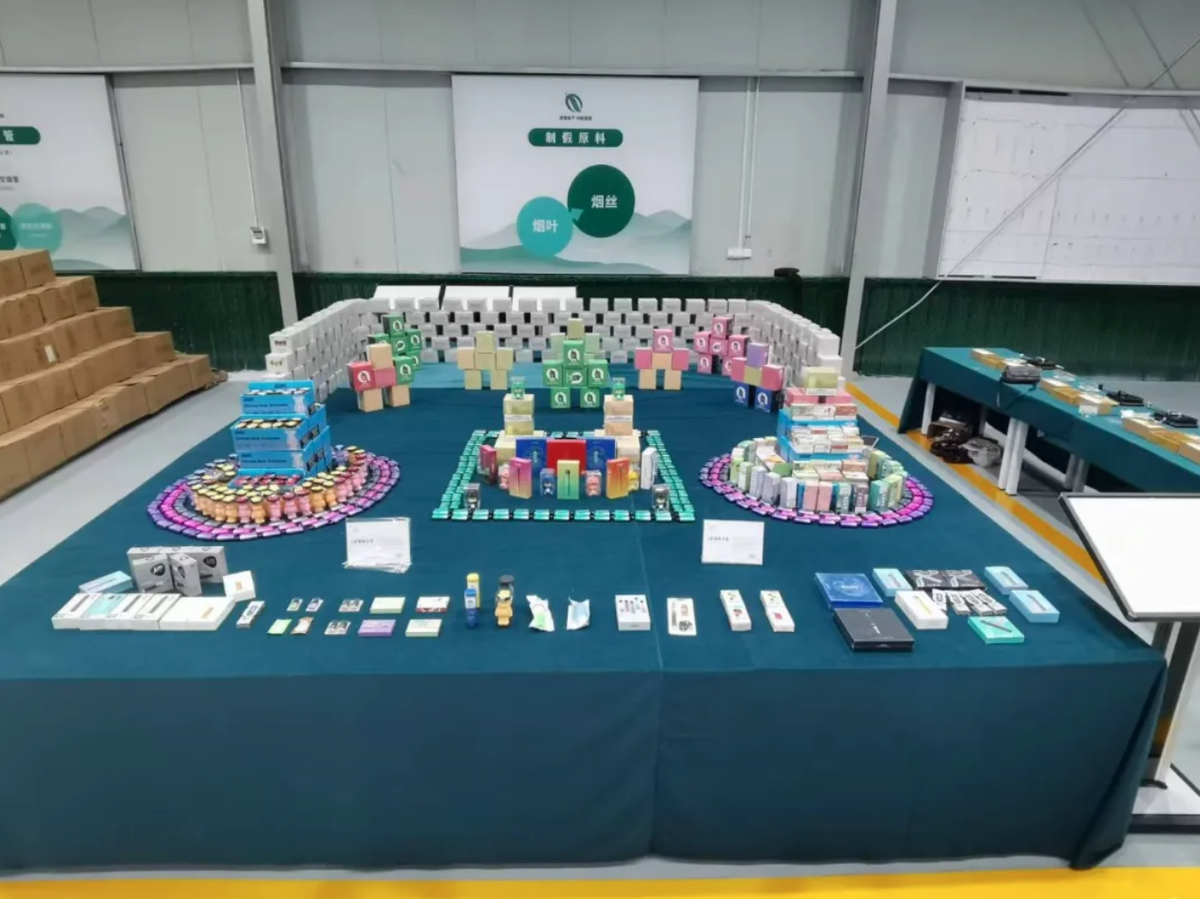
Chen Huan pointed out that minors have weak discernment abilities, are fond of trying new things, and flavored e-cigarettes attract young people through personalized and toy-like designs, as well as various flavors additives. For example, they are designed in the shape of bubble tea cups, cola cans, toy bears, etc. Therefore, minors who are tempted are easily induced to purchase flavored e-cigarettes and try smoking them.
In 2021, Fudan University released a report, The Awareness, Attitudes, And Usage of E-cigarettes Among Adolescents in China. The report showed that 94.3% of adolescents in China have heard of e-cigarettes, and 4.5% reported having tried using them. The most popular e-cigarette flavors among adolescents are fruit flavors, followed by food and beverage flavors.
Overall, flavoring is one of the main features that attract minors to e-cigarettes, and also one of the main reasons that trigger their use of e-cigarettes. Chen Huan believes that the use of e-cigarettes by minors, especially flavored e-cigarettes, is worrying and requires close attention to this social phenomenon.
Potential Risks of Flavored E-Cigarettes
Various flavors of additives are added to e-cigarettes to attract minors, some of which have strong addictive properties themselves.
Chen Huan cited an example that green apple flavor is one of the e-cigarette flavors that minors are particularly fond of. Scientific research has shown that green apple flavored e-cigarette liquid without nicotine can induce addiction in experimental subjects.
E-cigarettes with cooling flavors that are popular among minors commonly contain synthetic cooling agents to mask the harshness and unpleasantness of the vapor, promote aerosol inhalation, and enhance sensory experience. Studies on a group of people have shown that minors using e-cigarettes with synthetic cooling agents exhibit stronger addictive symptoms.
Chen Huan expressed concern, stating: "The brain and neural system of minors are not yet fully developed, making them more sensitive to addictive substances compared to adults. The use of such substances during adolescence can affect minors' attention, learning, mood swings, and impulse control. Research also suggests that exposure to addictive additives during adolescence increases the risk of abusing other drugs, such as cocaine, amphetamines, methamphetamine, and alcohol.
The results of a recent spot check on the e-cigarette market supervision show that the quality of illegally circulating flavored e-cigarette products on the market is worrying, with a 100% non-compliance rate, particularly due to issues such as excessive additives or illegal additions.
In response, Chen Huan emphasized that flavored e-cigarettes commonly use additives that have not undergone safety assessments for inhalation, which may break down into toxic substances when heated. Since minors are still developing, long-term inhalation of flavored e-cigarettes poses significant health risks.
Strengthening regulatory enforcement efforts.
Considering the strong appeal of flavored e-cigarettes to young people, as well as the associated risks of addiction and toxicity, Chen Huan believes that there is a need to strengthen regulation and crackdown on flavored e-cigarettes in order to protect the physical and mental health of adolescents.
Chen Huan stated that the World Health Organization is calling on member countries to ban or restrict the use of additives that can attract minors, in order to prevent non-smokers and teenagers from starting to use e-cigarettes. They are also urging for the safety of additives used in e-cigarette liquids to be tested, and for the banning or restriction of additives with serious toxicological risks.
In fact, in recent years many countries have implemented strict measures to regulate e-cigarettes.
The US Food and Drug Administration (FDA) has implemented strict regulations on flavored e-cigarettes, such as restricting e-cigarette flavors that appeal to minors, including fruit and mint flavors. Additionally, online sales and advertising of e-cigarettes have been restricted in order to prevent minors from easily purchasing e-cigarettes through the internet. The FDA has strengthened regulations on e-commerce platforms, particularly in regard to advertisements targeting minors, in order to reduce underage vaping.

Minors are the future of the country and the hope of the nation. Strengthening regulations on flavored e-cigarettes to protect minors from harm, China is taking action to weave a tight "legal net" for the protection of minors.
On November 10, 2021, the State Council of China announced a decision to amend the Implementing Regulations of the Tobacco Monopoly Law of the People's Republic of China, explicitly stating that "new tobacco products such as e-cigarettes shall be regulated in accordance with the relevant provisions for cigarettes under this regulation." This decision aims to strengthen the regulation of new tobacco products such as e-cigarettes, protect the health of the people, especially minors, and provide legal basis for protecting minors from the harm of e-cigarettes.
In March 2022, the State Tobacco Monopoly Administration issued the "Regulations on the Management of E-cigarettes," which explicitly stipulated the prohibition of selling e-cigarette products to minors. In April of the same year, the State Administration for Market Regulation (National Standardization Administration Committee) issued the National Standard for e-cigarettes. This standard specifies that e-cigarette products should not present flavors other than tobacco, prohibiting the sale of flavored e-cigarettes other than tobacco flavor and e-cigarettes that can add aerosols on their own.
As regulations and governance systems continue to improve, we must take advantage of this momentum to completely eradicate the breeding ground for flavored e-cigarette products. Chen Huan believes that schools, families, tobacco law enforcement agencies, and social organizations should work together to establish a long-term mechanism for preventing and combating the illegal sale of flavored e-cigarettes to minors; strengthen publicity and education, conduct knowledge dissemination activities on the dangers of flavored e-cigarettes for minors and their parents, guide minors to develop correct consumption and health views; increase law enforcement efforts, fully utilize big data, artificial intelligence, and other means to accurately crack down on the production and sale of flavored e-cigarettes, and build a safety barrier for the healthy growth of minors.
We welcome news tips, article submissions, interview requests, or comments on this piece.
Please contact us at info@2firsts.com, or reach out to Alan Zhao, CEO of 2Firsts, on LinkedIn
Notice
1. This article is intended solely for professional research purposes related to industry, technology, and policy. Any references to brands or products are made purely for objective description and do not constitute any form of endorsement, recommendation, or promotion by 2Firsts.
2. The use of nicotine-containing products — including, but not limited to, cigarettes, e-cigarettes, nicotine pouchand heated tobacco products — carries significant health risks. Users are responsible for complying with all applicable laws and regulations in their respective jurisdictions.
3. This article is not intended to serve as the basis for any investment decisions or financial advice. 2Firsts assumes no direct or indirect liability for any inaccuracies or errors in the content.
4. Access to this article is strictly prohibited for individuals below the legal age in their jurisdiction.
Copyright
This article is either an original work created by 2Firsts or a reproduction from third-party sources with proper attribution. All copyrights and usage rights belong to 2Firsts or the original content provider. Unauthorized reproduction, distribution, or any other form of unauthorized use by any individual or organization is strictly prohibited. Violators will be held legally accountable.
For copyright-related inquiries, please contact: info@2firsts.com
AI Assistance Disclaimer
This article may have been enhanced using AI tools to improve translation and editorial efficiency. However, due to technical limitations, inaccuracies may occur. Readers are encouraged to refer to the cited sources for the most accurate information.
We welcome any corrections or feedback. Please contact us at: info@2firsts.com