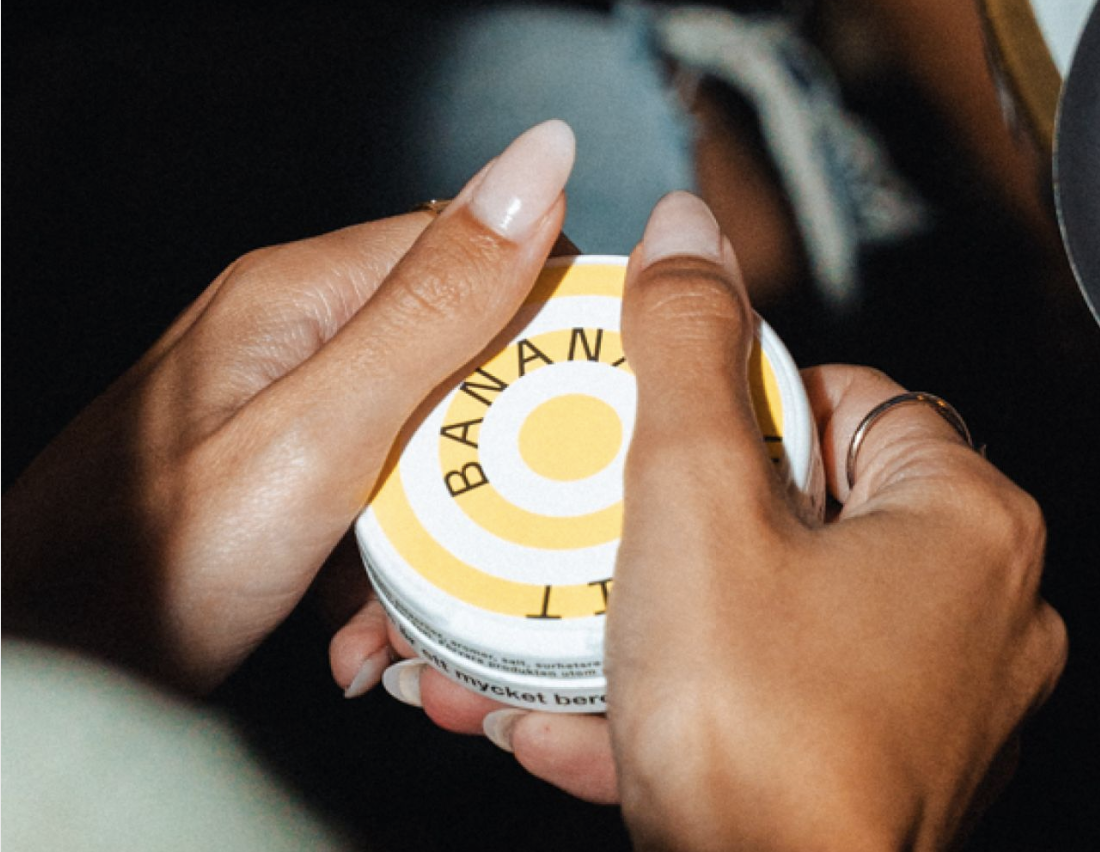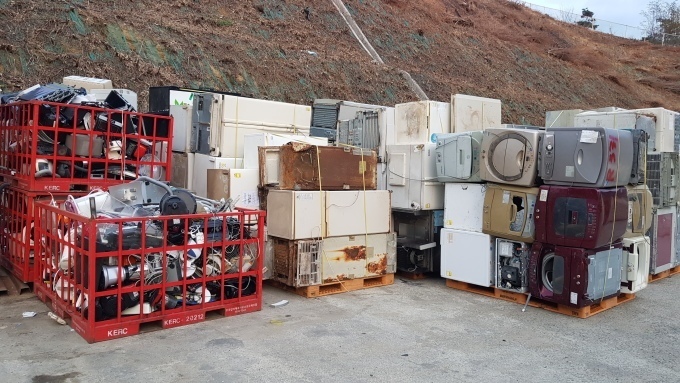
According to a report by NewsPim on July 12, as sales of new electronic products such as dryers, drones, and e-cigarettes continue to increase in the South Korean market, public attention towards the obligation to recycle these products is also growing. The South Korean Ministry of Environment is facing pressure to strengthen the recycling system for new products, promote the development of a circular economy, and reduce the environmental impact of electronic waste.
In June of last year, the South Korean Ministry of Environment proposed a "strategy for promoting industrial growth in the circular economy" at an emergency meeting of economic ministers. The goal was to expand recycling targets from 50 products to nearly all electronic products, in line with the strategy of the European Union. However, despite announcing plans to expand the scope of recycling, specific institutional reform actions have not materialized in the past year.
Critics point out that in order to strengthen the recycling system for new electronic products, the government needs to actively improve the current system. According to news from the South Korean Ministry of Environment on July 11th, currently only 50 types of products are included in the mandatory recycling system, including refrigerators, household washing machines, fans, smartphones, and televisions. Despite expanding the recycling program twice in 2014 and 2020, many discarded electronic products are still not included in the recycling obligation.
According to the "National Health and Nutrition Survey" conducted by the Korea Disease Control and Prevention Agency, the proportion of adults using liquid e-cigarettes has increased from 1.1% in 2013 to 3.5% in 2022. The usage rate of coil e-cigarettes has remained around 6% since data has been collected in 2019, dropping to 5.9% in 2022.
As sales of new electronic products such as e-cigarettes, hair dryers, and drones continue to rise, the lack of responsibility for their recycling by manufacturers restricts the government's understanding and actual implementation of waste recovery.
Although plans to expand the recycling program have been put in place, the process of reviewing and modifying regulations takes time. If we calculate from the completion of the regulatory changes, the implementation point is approximately one year later. The South Korean Ministry of Environment stated that the expansion of the electronic product recycling project will increase the responsibilities and obligations of producers, therefore requiring thorough discussions with stakeholders.
An official from the Ministry of Environment stated, "In the first half of this year, we have discussed directional issues through meetings with the industry. Our goal is to begin modifying regulations within this year.
We welcome news tips, article submissions, interview requests, or comments on this piece.
Please contact us at info@2firsts.com, or reach out to Alan Zhao, CEO of 2Firsts, on LinkedIn
Notice
1. This article is intended solely for professional research purposes related to industry, technology, and policy. Any references to brands or products are made purely for objective description and do not constitute any form of endorsement, recommendation, or promotion by 2Firsts.
2. The use of nicotine-containing products — including, but not limited to, cigarettes, e-cigarettes, nicotine pouchand heated tobacco products — carries significant health risks. Users are responsible for complying with all applicable laws and regulations in their respective jurisdictions.
3. This article is not intended to serve as the basis for any investment decisions or financial advice. 2Firsts assumes no direct or indirect liability for any inaccuracies or errors in the content.
4. Access to this article is strictly prohibited for individuals below the legal age in their jurisdiction.
Copyright
This article is either an original work created by 2Firsts or a reproduction from third-party sources with proper attribution. All copyrights and usage rights belong to 2Firsts or the original content provider. Unauthorized reproduction, distribution, or any other form of unauthorized use by any individual or organization is strictly prohibited. Violators will be held legally accountable.
For copyright-related inquiries, please contact: info@2firsts.com
AI Assistance Disclaimer
This article may have been enhanced using AI tools to improve translation and editorial efficiency. However, due to technical limitations, inaccuracies may occur. Readers are encouraged to refer to the cited sources for the most accurate information.
We welcome any corrections or feedback. Please contact us at: info@2firsts.com