FUMOT Interview: Germany's Grey Market Shifts Online, '2+10' Products Emerge as Trend

Sep.20.2024
FUMOT Interview: Germany's Grey Market Shifts Online, '2+10' Products Emerge as Trend
FUMOT, a leading e-cigarette brand in Germany, shares market insights at InterTabac amid strict regulations and growing competition.

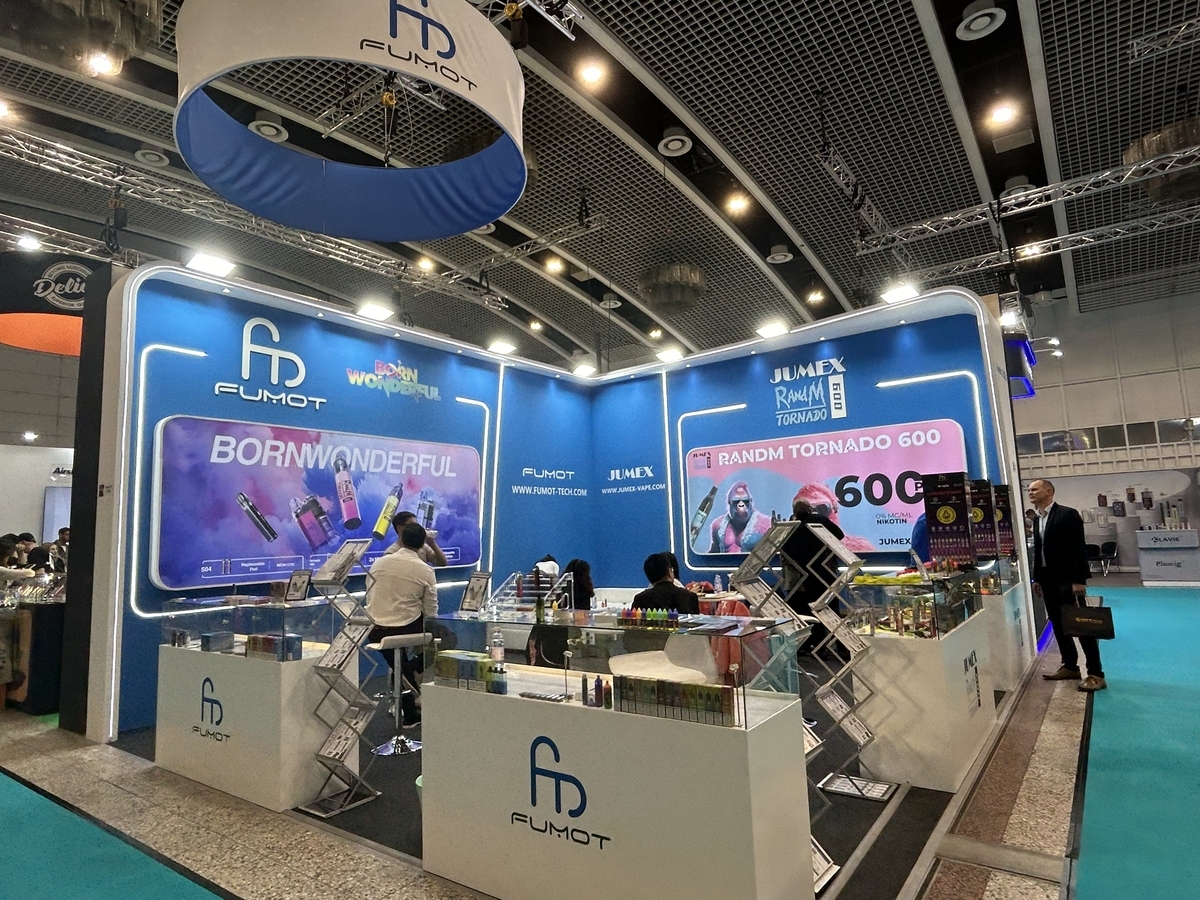
On September 19th, 2024, the InterTabac tobacco exhibition in Dortmund, Germany officially opened. On the opening day, 2Firsts conducted an exclusive interview with the popular e-cigarette brand FUMOT.
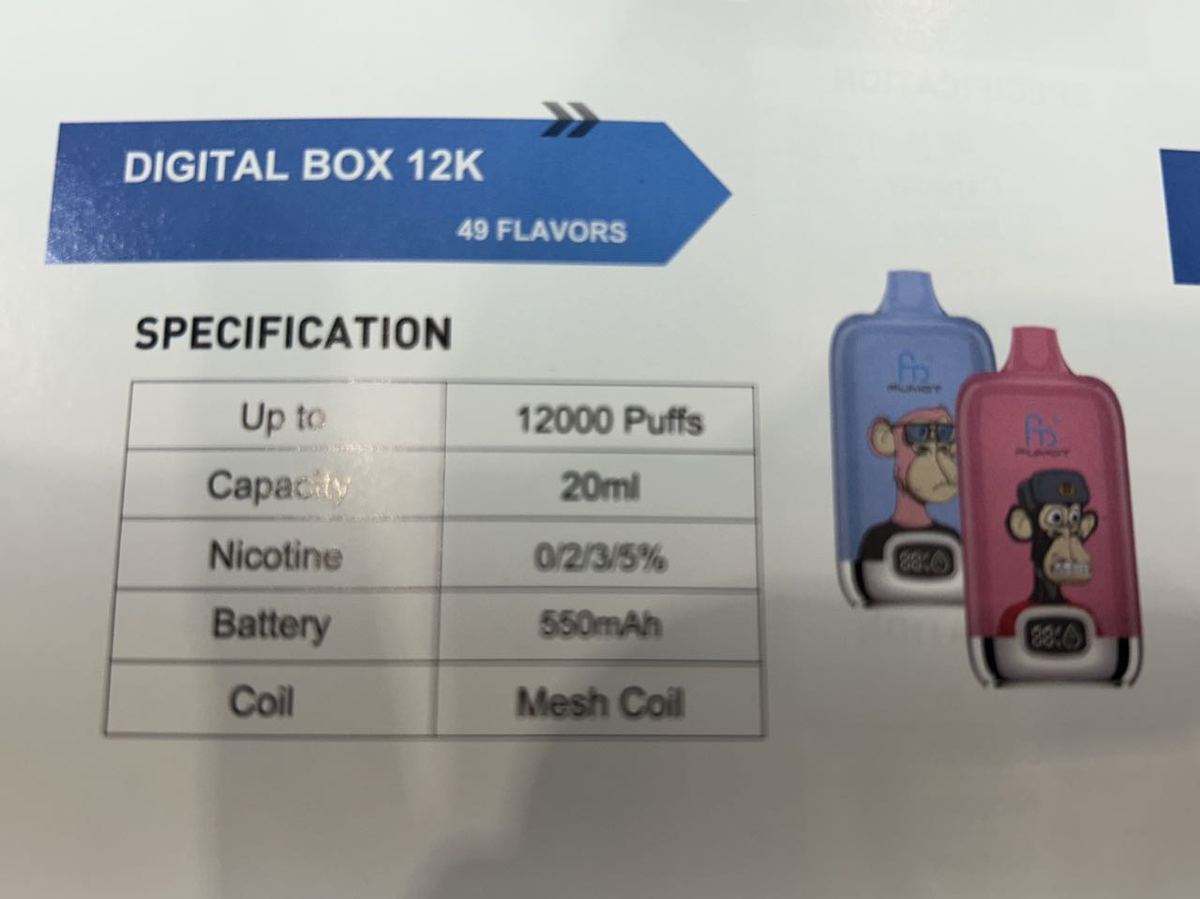
FUMOT Interview: Germany's Grey Market Shifts Online, '2+10' Products Emerge as Trend
FUMOT's best-selling product in Germany | Image source: 2Firsts


FUMOT staff briefed 2Firsts on the current situation in the German market. According to their information, leading brands in the compliant German market include ELFBAR, BLU, HQD, and FLERBAR. Additionally, FUMOT's flagship products have achieved shipments of several million units in the German market, making it their key market.
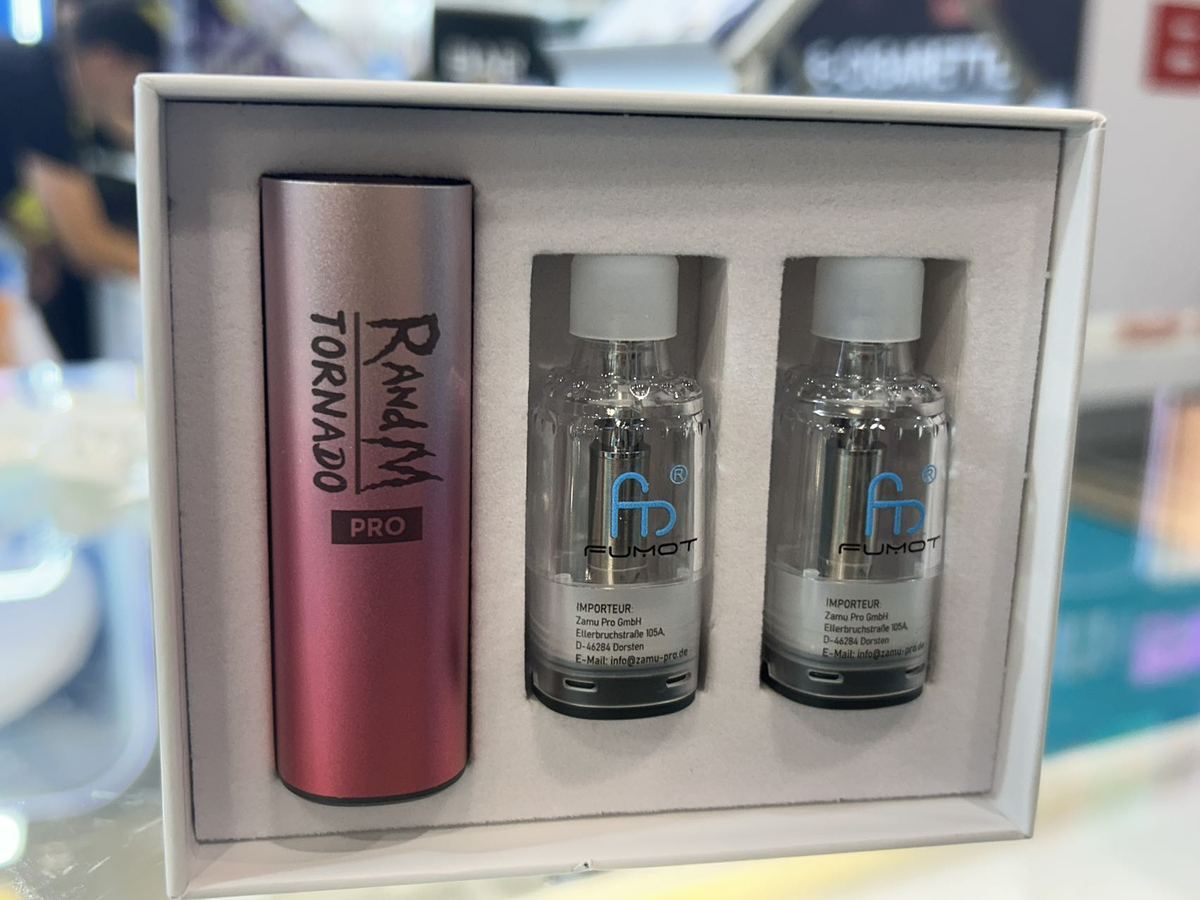
 

FUMOT Interview: Germany's Grey Market Shifts Online, '2+10' Products Emerge as Trend
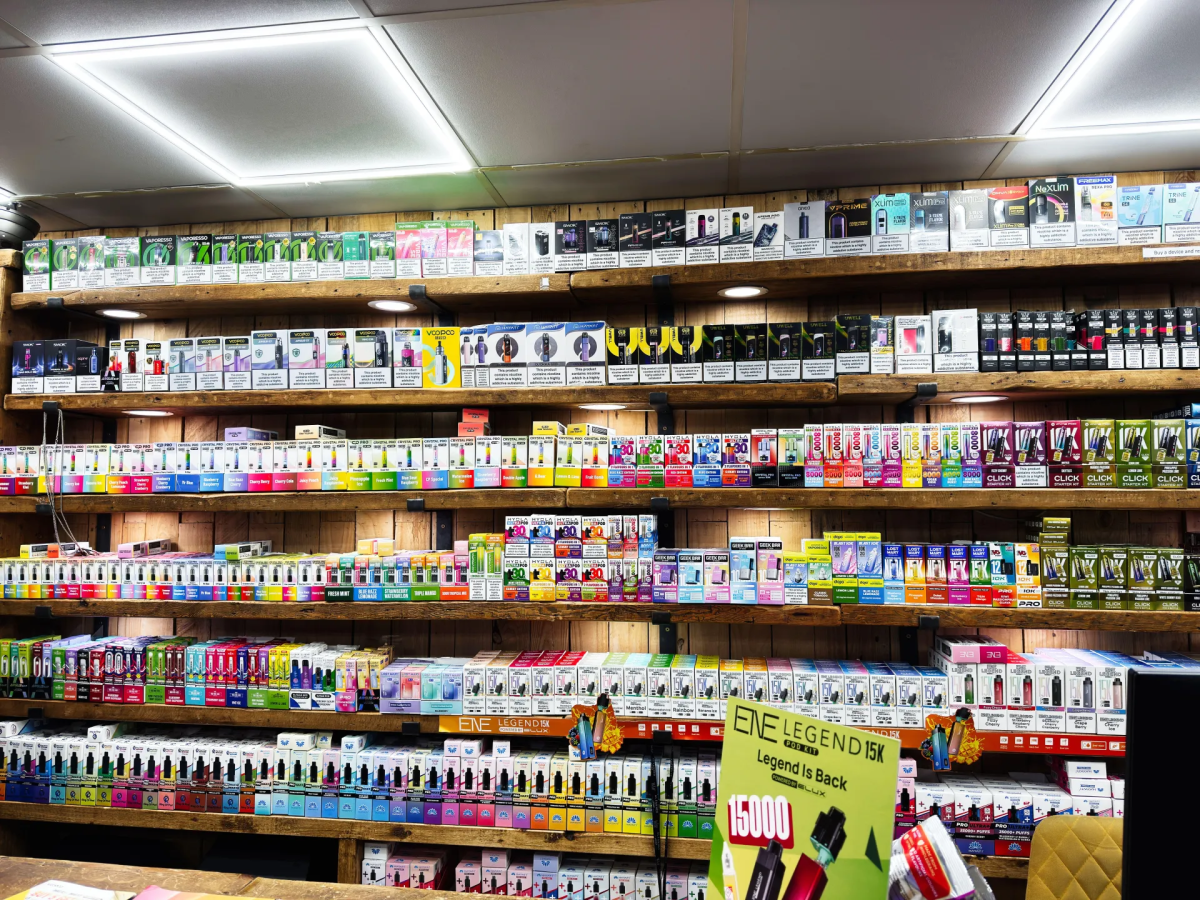
FUMOT's new "2+10" products | Image source: 2Firsts


When discussing the mainstream product types in the German market, the staff member stated that due to factors such as low cost-effectiveness, small-sized disposable products have seen a significant decrease in market share in Germany, becoming increasingly marginalized. Conversely, new large-sized disposable products that comply with TPD standards are emerging, such as innovative products like "n in 1" and "2+10." Therefore, at this trade show, FUMOT also introduced a variety of innovative products like "2+10" to meet the demands of the German market and solidify its market position.


For brands looking to enter the German market, the staff member believes that although Germany is an important market in Europe with promising prospects, the acceptance of new brands is relatively low. Distributors tend to prefer familiar brands. Therefore, achieving success in the German market requires long-term cultivation and careful planning.


When it comes to regulation, the above-mentioned staff shared the regulatory situation of the e-cigarette market in Germany. According to their information, Germany imposes high taxes on e-liquid products, with a tax of 2 euros per compliant 10ml e-liquid. German police also conduct strict inspections of tax labels attached to products at the retail end. Among them, Berlin has the highest inspection frequency in the market, but the penalties for violations are relatively light, usually limited to confiscation of goods or fines. In contrast, the market in Cologne has the strictest regulation, and sellers of tax evasion products may face criminal liability.


According to reports, despite this, there are still underground markets in Germany, but these markets mainly operate through online channels such as WhatsApp and Instagram. Due to the high risks involved in offline transactions, only a few retail stores dare to get involved, and they usually only sell to trusted customers.


In the interview, FUMOT's onsite staff repeatedly mentioned the keyword "compliance." They believe that with the increasing strictness of market supervision in Germany, brands must actively align with compliance standards in order to achieve long-term stable development.


We welcome news tips, article submissions, interview requests, or comments on this piece.

Please contact us at info@2firsts.com, or reach out to Alan Zhao, CEO of 2Firsts, on LinkedIn


Notice

1.  This article is intended solely for professional research purposes related to industry, technology, and policy. Any references to brands or products are made purely for objective description and do not constitute any form of endorsement, recommendation, or promotion by 2Firsts.

2.  The use of nicotine-containing products — including, but not limited to, cigarettes, e-cigarettes, nicotine pouchand heated tobacco products — carries significant health risks. Users are responsible for complying with all applicable laws and regulations in their respective jurisdictions.

3.  This article is not intended to serve as the basis for any investment decisions or financial advice. 2Firsts assumes no direct or indirect liability for any inaccuracies or errors in the content.

4.  Access to this article is strictly prohibited for individuals below the legal age in their jurisdiction.


Copyright


This article is either an original work created by 2Firsts or a reproduction from third-party sources with proper attribution. All copyrights and usage rights belong to 2Firsts or the original content provider. Unauthorized reproduction, distribution, or any other form of unauthorized use by any individual or organization is strictly prohibited. Violators will be held legally accountable.

For copyright-related inquiries, please contact: info@2firsts.com


AI Assistance Disclaimer


This article may have been enhanced using AI tools to improve translation and editorial efficiency. However, due to technical limitations, inaccuracies may occur. Readers are encouraged to refer to the cited sources for the most accurate information.

We welcome any corrections or feedback. Please contact us at: info@2firsts.com

China Tobacco Regulator Deputy Head Visits Laos as Both Sides Strengthen Cooperation on Illegal Tobacco Trade
China’s official Xinhua News Agency reported that Liu Sanjiang, deputy head and Party group member of China’s tobacco regulator, led a delegation to Laos from July 31 to Aug. 2, 2026, for discussions with Lao authorities on combating cross-border illegal tobacco trade. The two sides discussed areas including law enforcement cooperation, information sharing and efforts to address tobacco-related illegal activities such as counterfeiting and smuggling. The visit highlights cooperation between Chinese and Lao authorities on illicit tobacco control.
News
Aug.05
Iowa Enforces Vape Registry Law as Retailers Warn Product Limits Could Increase Store Pressure
Iowa has begun enforcing its vape registry law, requiring vape products to be registered before they can be legally sold in the state. The move follows a decision by the U.S. Court of Appeals for the Eighth Circuit to lift an injunction that had blocked enforcement. Retailers have warned that tighter product availability rules could increase pressure on vape shops. One Iowa retailer said that if only a limited number of products remain available, many stores could face significant business challenges.
Aug.06
JUUL Purchasers Ask Ninth Circuit to Preserve Antitrust Classes in Case Over Altria’s $12.8 Billion Investment
Private antitrust litigation stemming from Altria's 2018 $12.8 billion investment for a 35% economic interest in JUUL is advancing before the U.S. Court of Appeals for the Ninth Circuit. Direct purchasers, indirect purchasers and indirect resellers of JUUL products filed answering briefs this week seeking to preserve class certifications granted by a California federal court in February. Altria and JUUL argue that individual consumers and large distributors differ too much in purchasing terms to remain in a single direct-purchaser class, while a separate dispute concerns whether California antitrust law can apply to indirect purchasers across 27 jurisdictions. A September trial has been put on hold during the appeal.
Sep.23
South Korea Fully Reviews Nicotine-Analog and Nicotine-Free Vape Liquid Imports, With Over 99% From China and Chinese Supply-Chain Documents Under Scrutiny
Korea Customs Service has tightened import controls on nicotine-analog and nicotine-free e-cigarette liquids, placing the products under 100% document review and subjecting all e-cigarette liquid import declarations to pre-clearance ingredient analysis. As of September 20, 2026, South Korea had imported about 15 metric tons of nicotine-analog liquids, 99.99% from China, and about 316 metric tons of nicotine-free liquids, including roughly 315 metric tons, or 99.7%, from China. The measures follow South Korea's April expansion of its tobacco definition to include synthetic nicotine products and include new checks on Chinese manufacturing, transaction and export documentation.
Sep.24
Scottish Vape Display Rules Could Cost Businesses £61 Million, Affecting More Than 11,000 Retail Outlets
A Scottish government impact assessment estimates that proposed vape display and packaging rules could create up to £61 million ($82 million) in compliance costs for businesses, affecting more than 11,000 retail outlets. The estimated costs are mainly linked to inventory adjustments, retail storage changes and the resources required for businesses to understand and implement the new requirements. The measures form part of the UK’s broader efforts to tighten vape regulation, particularly around product displays, packaging and sales practices.
Aug.10
FRE and ALP Push Modern Oral to 48% of Q2 Sales as Turning Point Brands Changes CEO and Lowers Profit-Guidance Ceiling
Turning Point Brands said Executive Chairman David E. Glazek will become CEO on October 1, replacing Graham Purdy, who is stepping down for personal reasons. The company narrowed its 2026 adjusted EBITDA outlook to $70 million-$80 million from $70 million-$90 million while maintaining Modern Oral gross sales guidance of $330 million-$350 million and net sales guidance of $260 million-$270 million. In the second quarter, Modern Oral net sales rose 128% to $68.4 million and accounted for 48% of company-wide net sales. Adjusted EBITDA fell 50% year over year. TPB shares closed about 10% lower on September 21.
Market
Sep.22 by 2Firsts Perspectives