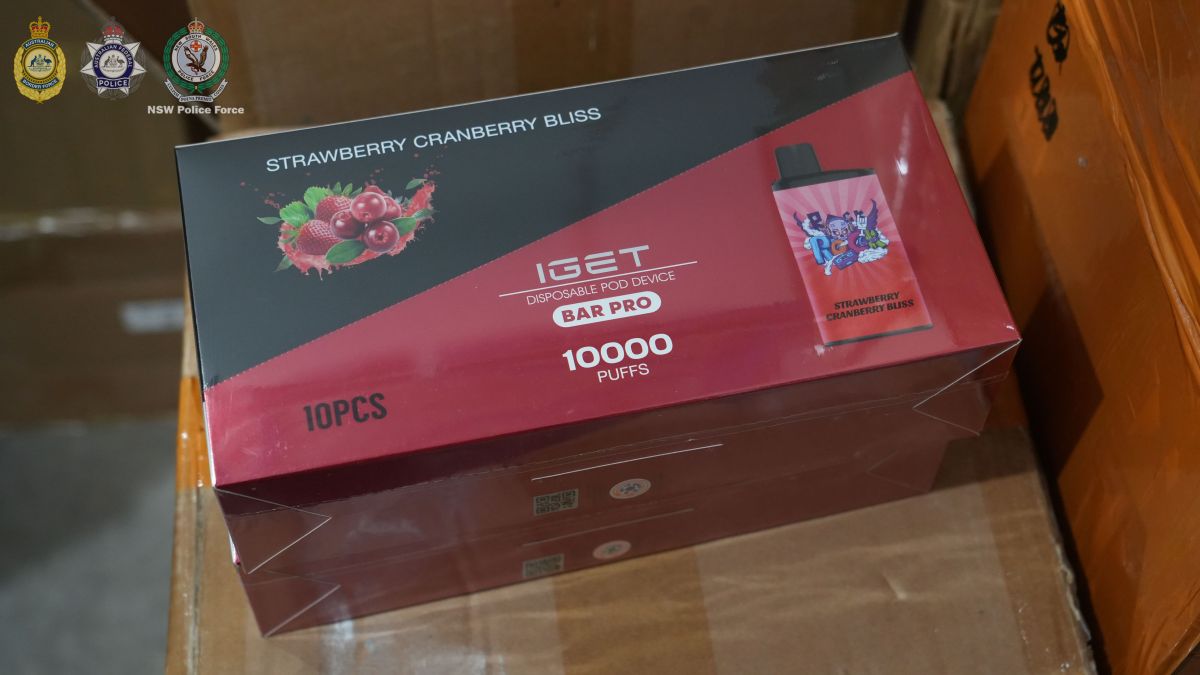
According to Dublin Live's report on September 10th, it is estimated that Ireland's Minister for Health, Stephen Donnelly, is expected to receive government approval to draft legislation banning disposable e-cigarettes on the grounds of environmental protection and public health. The proposed law would prohibit the sale, manufacture, or import of disposable e-cigarettes in Ireland.
Industry experts have criticized the proposed ban, stating "We should not demonize these products, but rather condemn the unethical retailers who knowingly sell them to children.
Dan Marchant, Director and Co-founder of Vape Club, expressed that...
We need to impose hefty fines to ensure strict enforcement of age verification nationwide. If they can't purchase these products, they can't use them. This is how we treat cigarettes and also how we treat e-cigarettes. Responsible parties within the industry are actually urging authorities to enforce regulations and take strict action against companies that violate the rules.
The Irish Heart Foundation welcomes the ban, calling it a "milestone day for child protection." According to its spokesperson, Chris Macey,
While many countries are taking measures to provide greater protection for young people globally against the behaviors of the e-cigarette industry led by big tobacco companies, these new laws mean that young people in Ireland will be among the best protected groups in the world.
Despite these risks, the number of teenagers in Ireland using e-cigarettes has skyrocketed, with nearly a quarter of 15-17 year olds currently being users. Minister Donnelly and his government's stance may help many young people overcome nicotine addiction in the long term.
He also emphasized that this will help ensure the hard-earned achievements of the previous generation are maintained, during which time the youth smoking rate has decreased from 41% to 13%.
We welcome news tips, article submissions, interview requests, or comments on this piece.
Please contact us at info@2firsts.com, or reach out to Alan Zhao, CEO of 2Firsts, on LinkedIn
Notice
1. This article is intended solely for professional research purposes related to industry, technology, and policy. Any references to brands or products are made purely for objective description and do not constitute any form of endorsement, recommendation, or promotion by 2Firsts.
2. The use of nicotine-containing products — including, but not limited to, cigarettes, e-cigarettes, nicotine pouchand heated tobacco products — carries significant health risks. Users are responsible for complying with all applicable laws and regulations in their respective jurisdictions.
3. This article is not intended to serve as the basis for any investment decisions or financial advice. 2Firsts assumes no direct or indirect liability for any inaccuracies or errors in the content.
4. Access to this article is strictly prohibited for individuals below the legal age in their jurisdiction.
Copyright
This article is either an original work created by 2Firsts or a reproduction from third-party sources with proper attribution. All copyrights and usage rights belong to 2Firsts or the original content provider. Unauthorized reproduction, distribution, or any other form of unauthorized use by any individual or organization is strictly prohibited. Violators will be held legally accountable.
For copyright-related inquiries, please contact: info@2firsts.com
AI Assistance Disclaimer
This article may have been enhanced using AI tools to improve translation and editorial efficiency. However, due to technical limitations, inaccuracies may occur. Readers are encouraged to refer to the cited sources for the most accurate information.
We welcome any corrections or feedback. Please contact us at: info@2firsts.com