Key Points:
The e-cigarette brand IVG has announced it will cease supply of disposable e-cigarettes 90 days in advance, in support of the ban.
IVG plans to gradually replace disposable e-cigarettes with rechargeable, refillable, and reusable alternative products within the next 60 days, aiming to become the first e-cigarette brand in the UK to completely eliminate disposable products.
The e-cigarette industry is gradually shifting towards rechargeable and reusable e-cigarette products.
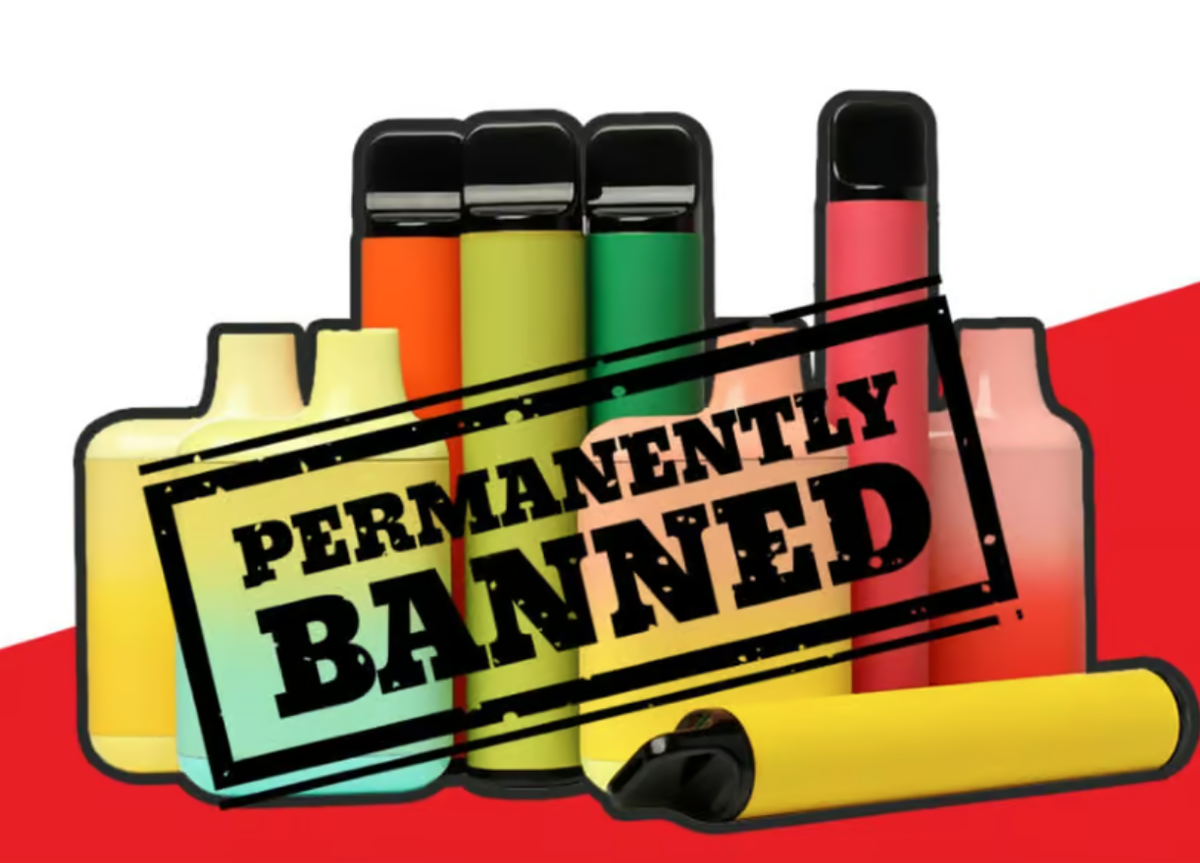
According to a report by Nationalworld on April 7th, the UK will ban the sale of disposable e-cigarettes starting from June 1, 2025. With less than 60 days until the ban takes effect, trade standards authorities across the UK are advising retailers to immediately cease purchasing disposable e-cigarettes and to sell off existing stock before the ban comes into force.
British e-cigarette brand IVG has made a significant change in product development. On March 1, 2025, they announced the early discontinuation of supplying disposable e-cigarettes by nearly 90 days, indicating support for the upcoming ban. According to IVG's RDP data, their disposable e-cigarette products are sold in over 45,000 retail outlets, including Tesco, Sainsburys, Morrisons, Asda, Shell, BP, WHSmith, Nisa, Euro Garages, and many other stores.
In the next 60 days, IVG's disposable products will gradually be replaced by rechargeable, refillable, and reusable alternatives across the UK. The brand aims to become the first of the top three e-cigarette brands in the UK (IVG, SKE Crystal, and ELF) to completely eliminate the use of disposable products.
IVG's Marketing Manager, Rhett Morrissey, stated that...
We are committed to supporting this regulation to ensure our products are used in safe and responsible conditions, paving the way for a more sustainable future. The ban on disposable e-cigarettes is an important step towards industry responsibility, and we wholeheartedly welcome this change. Over the past 18 months, we have worked closely with trade standards and regulatory agencies to implement strict procedures to advance the ban on disposable e-cigarettes.
In the past 18-24 months, all major e-cigarette companies, including IVG, Blu, ELF, and Lost Mary, have released rechargeable, refillable, and reusable alternatives in preparation for the upcoming ban.
We welcome news tips, article submissions, interview requests, or comments on this piece.
Please contact us at info@2firsts.com, or reach out to Alan Zhao, CEO of 2Firsts, on LinkedIn
Notice
1. This article is intended solely for professional research purposes related to industry, technology, and policy. Any references to brands or products are made purely for objective description and do not constitute any form of endorsement, recommendation, or promotion by 2Firsts.
2. The use of nicotine-containing products — including, but not limited to, cigarettes, e-cigarettes, nicotine pouchand heated tobacco products — carries significant health risks. Users are responsible for complying with all applicable laws and regulations in their respective jurisdictions.
3. This article is not intended to serve as the basis for any investment decisions or financial advice. 2Firsts assumes no direct or indirect liability for any inaccuracies or errors in the content.
4. Access to this article is strictly prohibited for individuals below the legal age in their jurisdiction.
Copyright
This article is either an original work created by 2Firsts or a reproduction from third-party sources with proper attribution. All copyrights and usage rights belong to 2Firsts or the original content provider. Unauthorized reproduction, distribution, or any other form of unauthorized use by any individual or organization is strictly prohibited. Violators will be held legally accountable.
For copyright-related inquiries, please contact: info@2firsts.com
AI Assistance Disclaimer
This article may have been enhanced using AI tools to improve translation and editorial efficiency. However, due to technical limitations, inaccuracies may occur. Readers are encouraged to refer to the cited sources for the most accurate information.
We welcome any corrections or feedback. Please contact us at: info@2firsts.com