Kaohsiung Sees 1/3 of Vape Shops Close After Ban

Apr.10.2023
Kaohsiung Sees 1/3 of Vape Shops Close After Ban
15 of 44 e-cigarette shops in Taiwan's Kaohsiung city have closed since the ban was implemented in March.

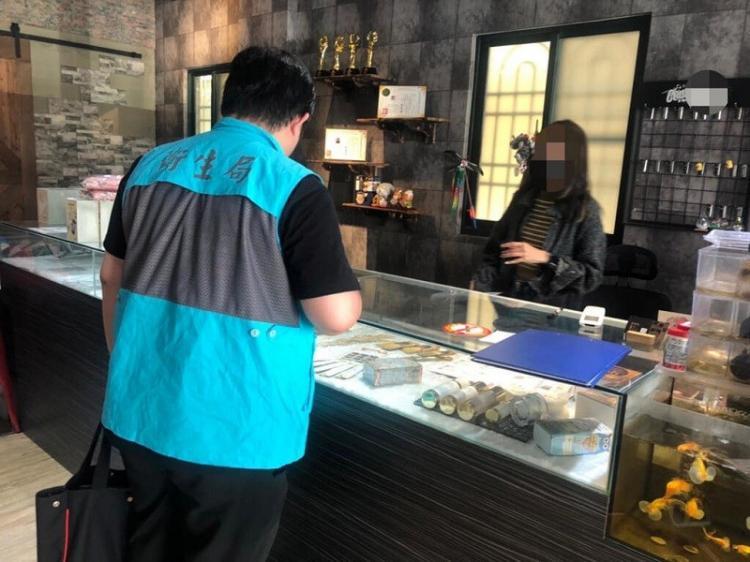
On April 9th, according to the Health Department of Kaohsiung, Taiwan, 15 out of 44 electronic cigarette stores in Kaohsiung City have closed since the ban on electronic cigarettes was enforced on March 22nd.


According to a report by CNA, out of 44 stores in the city, 10 have completely ceased operations and 15 have closed their doors. The remaining stores have shifted to selling other products, as the store owners claim that the fines are too high and they cannot take the risk.


The highest penalty for using electronic cigarettes in Taiwan, China, is 2258 yuan.


According to new regulations, manufacturers or importers of electronic cigarettes could face a maximum fine of NT$50 million (approximately RMB 11.29 million). Advertising companies, media outlets, and advertisers found promoting tobacco products without approval could face a maximum fine of NT$2 million (approximately RMB 0.45 million).


The sale or display of tobacco products without permission can result in fines up to NTD 1 million (approximately RMB 225,000). Individuals who supply new tobacco products and their accessories may be fined between NTD 10,000 and 250,000 (approximately RMB 2,258 to 56,450), while those caught vaping may be fined between NTD 2,000 and 10,000 (approximately RMB 451 to 2,258).


Related Reading:


Taiwan officially bans e-cigarettes completely.


Taiwan is set to ban e-cigarettes with the highest penalty being a fine of up to 50 million New Taiwan dollars for violators.


Reference list/bibliography:


One-third of vape shops in Kaohsiung, Taiwan have closed following a ban on vaping.


Disclaimer

This article is provided solely for professional research, industry discussion, and informational purposes. Any references to brands, companies, products, technologies, or policies are made for factual reporting and analytical purposes only, and do not constitute endorsement, recommendation, promotion, or advertising by 2Firsts.

Nicotine-containing products, including but not limited to cigarettes, e-cigarettes, heated tobacco products, and nicotine pouches, carry significant health risks. Readers are responsible for complying with all applicable laws and regulations in their respective jurisdictions, including age restrictions and access limitations.

The information contained in this article should not be regarded as investment, legal, medical, regulatory, or commercial advice. While 2Firsts strives to ensure the accuracy and reliability of its content, it does not assume liability for any direct or indirect loss arising from errors, omissions, inaccuracies, or reliance on the information contained herein.

This article is not intended for individuals below the legal age for accessing tobacco or nicotine-related information in their jurisdiction.


Copyright Notice

This article is either original content produced by 2Firsts or content reproduced, translated, summarized, or adapted from third-party sources with attribution where applicable. The intellectual property rights of the original content remain with 2Firsts or the respective original rights holders.

No individual or organization may copy, reproduce, distribute, republish, modify, translate, or otherwise use this content without prior authorization. Any unauthorized use may result in legal action.

For copyright-related inquiries, corrections, or removal requests, please contact: info@2firsts.com.


AI-Assisted Translation and Editing Notice

Portions of this article may have been translated, edited, or reviewed with the assistance of artificial intelligence tools to improve efficiency and readability. Due to the limitations of AI-assisted translation and editing, discrepancies, omissions, or inaccuracies may exist when compared with the original source.

Where applicable, readers are advised to refer to the original source for the most complete and accurate information. If you identify any errors or believe that any content infringes upon your rights, please contact us at info@2firsts.com, and we will review and address the matter promptly.

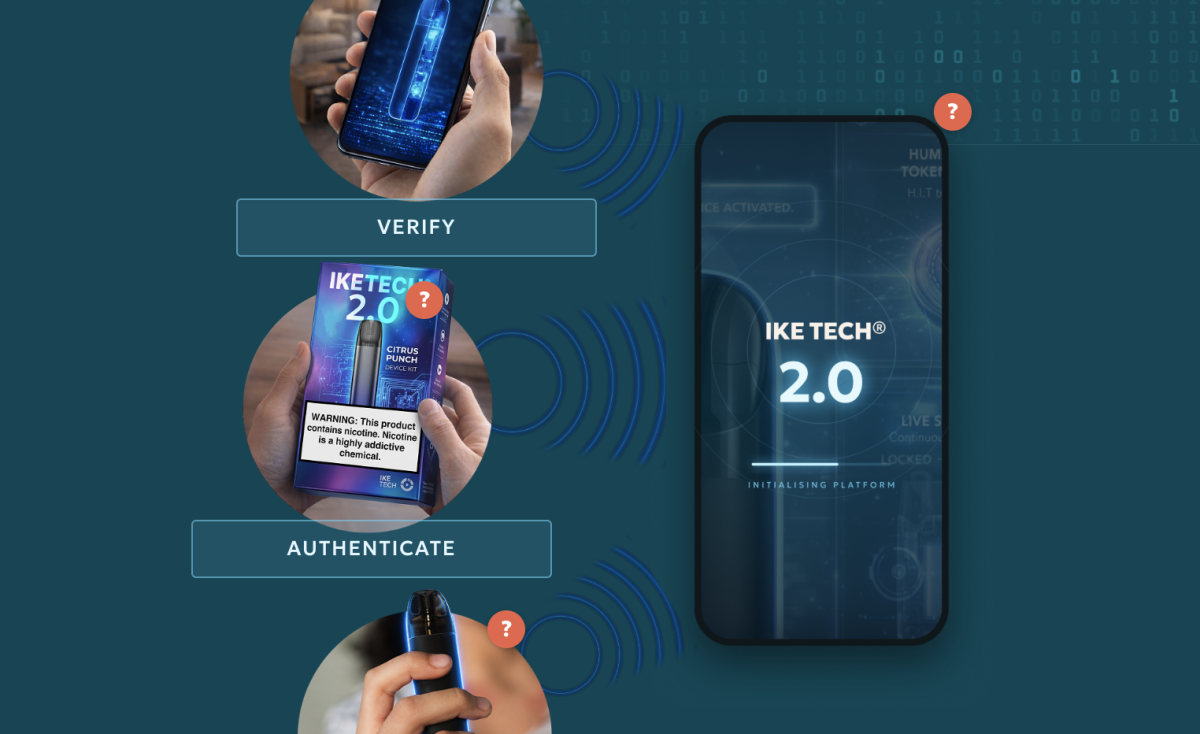
IKE Tech Launches IKE 2.0 Compliance Platform for Nicotine Products
IKE Tech launched IKE 2.0 on September 28, initially targeting nicotine products with a platform that combines user identity verification, product authentication, configurable policy controls and data analytics. Products can be authenticated through direct device integration or NFC smart tags. IKE Tech was formed with participation from Ispire's Aspire North America, Berify and Chemular, with Ispire currently holding a 40% interest. Its age-verification component PMTA was accepted by the FDA in 2025 and remains under review. The company did not disclose customer names, commercial deployment volumes, pricing or revenue tied to IKE 2.0.
News
Sep.29 by 2Firsts Perspectives
Product | BAT Expands VELO Travellers’ Collection With Mexico, Spain and Sweden Summer Edition Nicotine Pouches
British American Tobacco (BAT) Global Travel Retail has expanded the VELO Travellers’ Collection with three new Summer Editions: Mexico, Spain and Sweden. Inspired by destination themes, the new nicotine pouch variants are designed for global travel-retail channels. The launch further strengthens VELO’s positioning as a travel-retail exclusive product collection.
Aug.27
PMI Global R&D Chief Meets Chinese Tobacco Regulator as China Advances Heated Cigarette Standards
Philip Morris International’s global R&D chief Michele Cattoni met Liu Sanjiang, deputy director of China’s State Tobacco Monopoly Administration, in Beijing on Aug. 27. The meeting comes as China advances mandatory standards for heated cigarettes and nicotine pouches, laying groundwork for their domestic introduction. Cattoni has held senior roles in PMI’s heated tobacco development, while China’s draft standard covers multiple heating architectures, including systems similar in principle to PMI’s IQOS ILUMA technology.
Aug.27
South Korea Vape Strategies Diverge as BAT Reconsiders Exit and PMI Takes VEEV to About 14,000 Stores
BAT Rothmans says it previously considered exiting South Korea's vaping market because of competitive pressure from unregulated products, but is now reassessing conditions following changes to the country's nicotine regulatory framework. Vuse and other BAT vaping products remain available through existing distribution channels. The statement followed a South Korean media report that interpreted BAT's broader withdrawal from selected Vapour markets as a full exit from South Korea. Meanwhile, Philip Morris International launched VEEV inPRIME in the country in June and began expanding distribution to around 14,000 convenience stores and other retail channels in July. The contrasting moves highlight differing investment strategies as South Korea's regulated vaping market evolves.
Aug.14
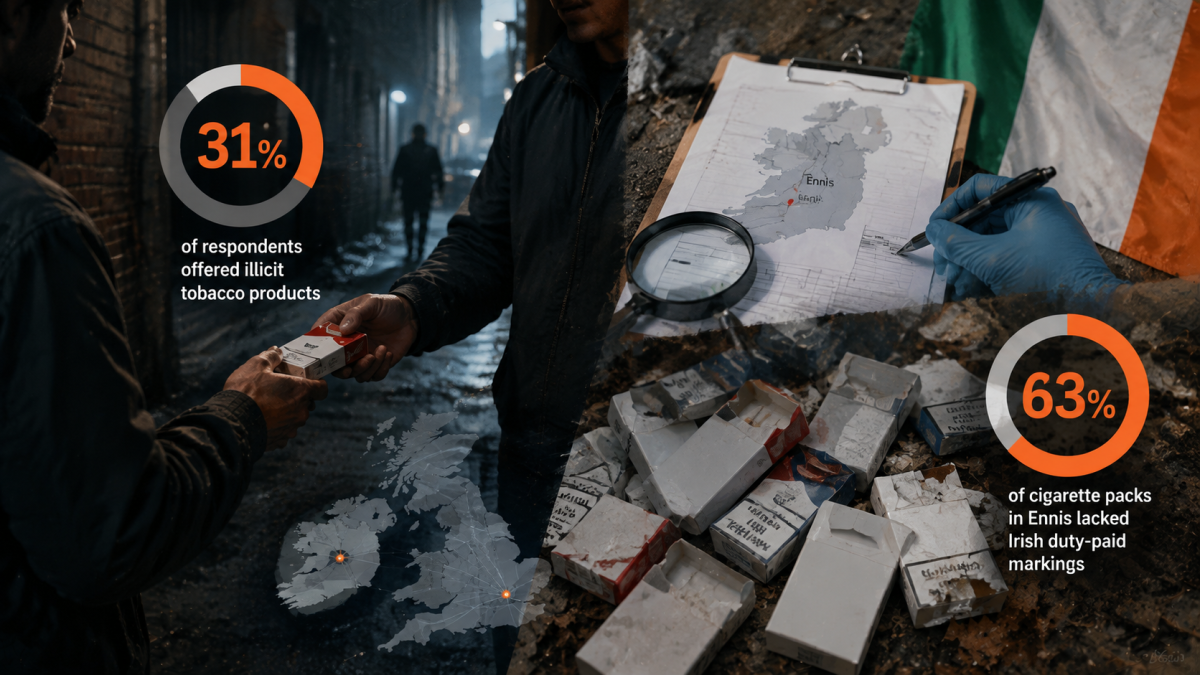
JTI Research Finds 31% of UK Respondents Offered Illicit Tobacco, While 63% of Ennis Packs Lack Duty Marks
Multiple JTI-backed studies in the UK and Ireland indicate that illicit tobacco remains visible across consumer interactions and local markets. In the UK, JTI research found that 31% of respondents said they had been offered illicit tobacco products. In Ireland’s Ennis area, a JTI-commissioned empty pack survey found that 63% of sampled cigarette packs did not carry Irish duty-paid markings. The findings come from industry research rather than official government estimates of illicit tobacco market size, but highlight continued concerns among regulators, legitimate retailers and tobacco companies over illicit trade.
Aug.19
CCPIT Says Trade Friction Index for China-Related Electronics Sector Remains High, With Vape Products Among Areas of Focus
China Council for the Promotion of International Trade (CCPIT) held its July regular press conference on July 31, 2026, releasing the May 2026 Global Economic and Trade Friction Index. CCPIT spokesperson Yang Fan said the global trade friction index stood at 95 in May, remaining at a medium-to-high level. By industry, the electronics sector recorded the highest trade friction index among 13 monitored industries. In China-related trade frictions, the index stood at 93, with electronics products including drones, chips and vape products among areas where friction remained elevated.
Aug.03