Key Points:
- The Strategy Foundation analyzed tobacco policy from June–July 2025.
- Smoking prevalence remains stable at 18–20% despite bans and fines.
- 52% of vapers continued using vapes, 28% switched to heated tobacco, and only 5% quit completely.
- Vape prices tripled after the ban, shifting use to higher-income groups.
- The report urges a harm reduction model similar to the UK, Sweden, Japan, and New Zealand.
2Firsts, Nov. 6, 2025 — According to Exclusive.KZ, the Strategy Public Foundation in Kazakhstan has released a study showing that recent restrictive anti-tobacco policies have failed to reduce smoking rates.
The research, conducted from June 20 to July 17, 2025, analyzed Kazakhstan’s regulation of tobacco and nicotine products and compared it with countries applying harm reduction strategies. Foundation president Gulmira Ileuova said the study aimed to identify which measures actually work.
Over the past 3–4 years, Kazakhstan has tightened controls by raising fines, expanding prohibitions, restricting cigarette displays, increasing excise taxes, and banning vape sales and imports. Ileuova noted that these WHO-aligned measures effectively removed legal alternatives, pushing demand into the grey market.
Official statistics show smoking prevalence among adults remains at 18–20%, with no downward trend. In 2025, 11,940,239 cigarettes were smoked daily, indicating stable behavior.
Among 100 surveyed smokers, 52% continued vaping after the ban, 28% switched to heated tobacco, 10% returned to cigarettes, and only 5% quit entirely.
While vape use declined among 18–20-year-olds, the main users are now adults aged 30–49, particularly women. Vape products have moved to online platforms, and prices have doubled or tripled—from 150,000 to 250,000 tenge—making them accessible mainly to wealthier consumers.
Despite “tougher” regulations, smoking levels remain stable. Bureau of National Statistics data show daily smoking prevalence of 15–18% from 2022–2025, with a temporary rise to 17.9% in 2024.
“Why does Kazakhstan prefer repressive measures?” social activists asked. “Hookahs have been banned for ten years, yet their use keeps growing.”
The report cites global harm reduction examples:
- In the UK, smoking fell 41% since 2011 as vaping was integrated into cessation programs.
- New Zealand reversed its vape ban and saw declines in smoking.
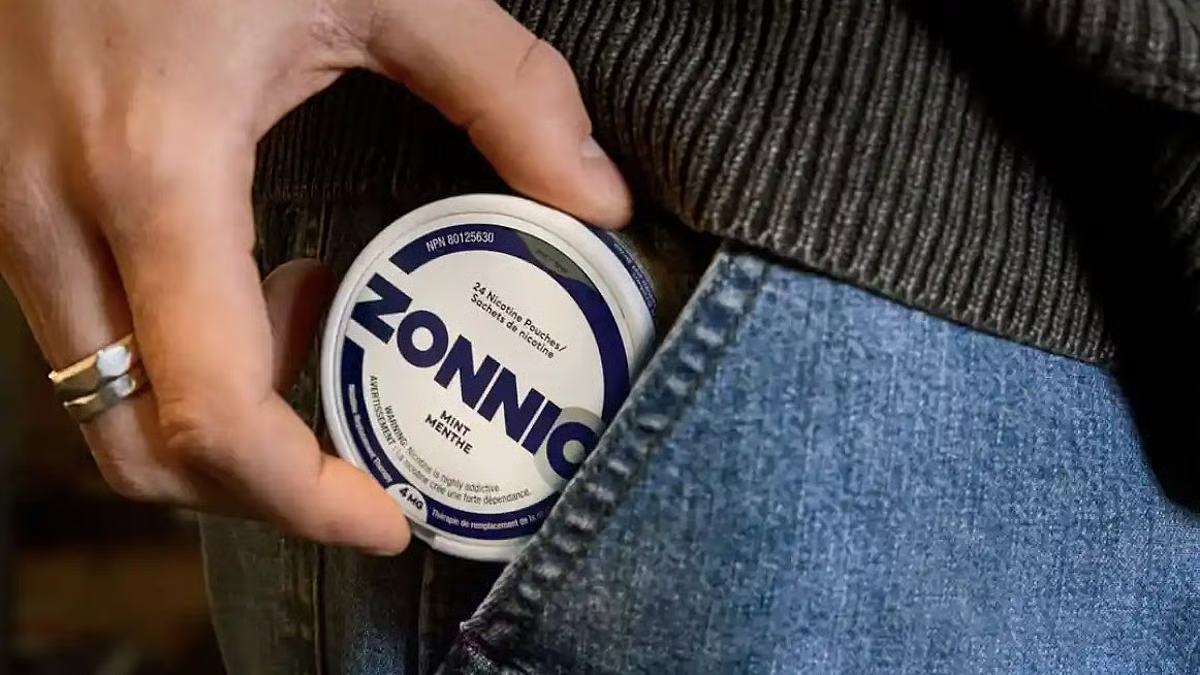
- Sweden’s smokeless model (snus and nicotine pouches) achieved the EU’s lowest smoking rate—5%.
- In Japan, heated tobacco drove cigarette sales down 50% in a decade, with smoking falling from 19.3% to 16.8%.
“Our findings confirm that bans alone are ineffective,” Ileuova said. “Countries that apply harm reduction see lasting declines in smoking.”
Project coordinator Azat Mukhamediyev added that misinformation persists: “Some now claim hookah is ‘healthy’—a result of weak education. When the state doesn’t communicate, the streets do.”
The study concludes that prohibition alone cannot achieve sustainable results. Instead, Kazakhstan should pursue evidence-based, risk-differentiated regulation and education to balance health protection and choice.
Image Source: Exclusive.KZ
We welcome news tips, article submissions, interview requests, or comments on this piece.
Please contact us at info@2firsts.com, or reach out to Alan Zhao, CEO of 2Firsts, on LinkedIn
Notice
1. This article is intended solely for professional research purposes related to industry, technology, and policy. Any references to brands or products are made purely for objective description and do not constitute any form of endorsement, recommendation, or promotion by 2Firsts.
2. The use of nicotine-containing products — including, but not limited to, cigarettes, e-cigarettes, nicotine pouchand heated tobacco products — carries significant health risks. Users are responsible for complying with all applicable laws and regulations in their respective jurisdictions.
3. This article is not intended to serve as the basis for any investment decisions or financial advice. 2Firsts assumes no direct or indirect liability for any inaccuracies or errors in the content.
4. Access to this article is strictly prohibited for individuals below the legal age in their jurisdiction.
Copyright
This article is either an original work created by 2Firsts or a reproduction from third-party sources with proper attribution. All copyrights and usage rights belong to 2Firsts or the original content provider. Unauthorized reproduction, distribution, or any other form of unauthorized use by any individual or organization is strictly prohibited. Violators will be held legally accountable.
For copyright-related inquiries, please contact: info@2firsts.com
AI Assistance Disclaimer
This article may have been enhanced using AI tools to improve translation and editorial efficiency. However, due to technical limitations, inaccuracies may occur. Readers are encouraged to refer to the cited sources for the most accurate information.
We welcome any corrections or feedback. Please contact us at: info@2firsts.com