Key points:
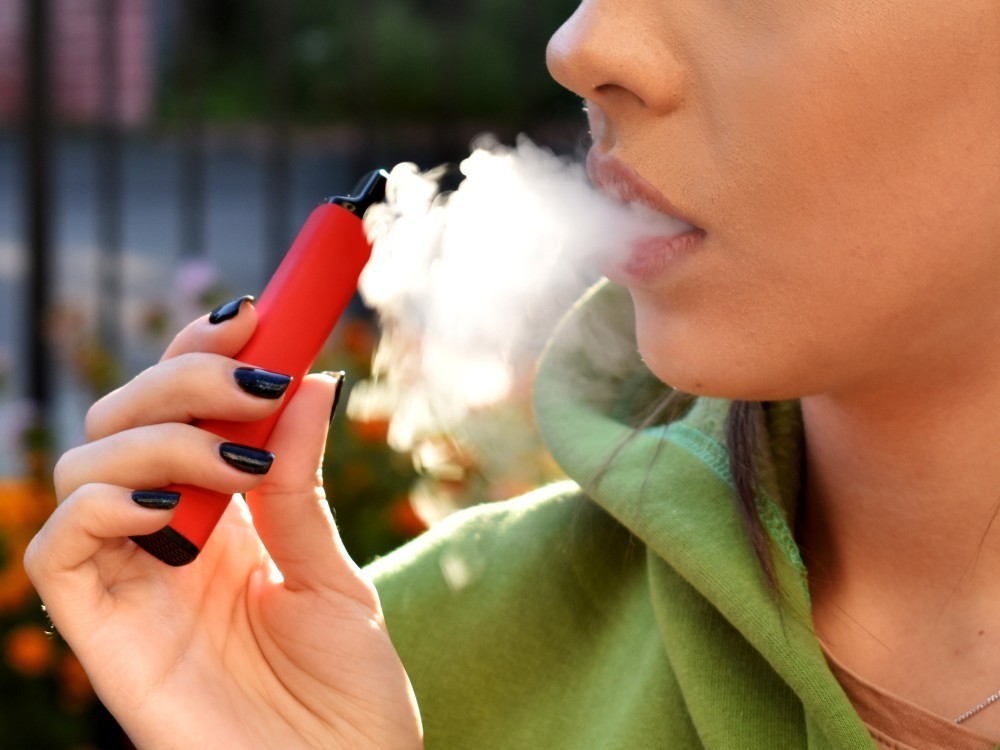
·Prohibition: The Kenyan government has banned the importation of all tobacco products, including e-cigarettes and hookah.
·Purpose of implementation: To reduce tobacco supply and address domestic and global health issues.
·Health warnings: The government is designing more intricate graphic health warning labels to clearly depict the dangers of tobacco.
·Youth protection: Emphasis is placed on protecting youth from the allure of cheap and easily accessible tobacco products.
·Collaboration: The Ministry of Health will collaborate with county governments and the National Authority for the Campaign Against Alcohol and Drug Abuse (NACADA) to ensure comprehensive implementation of the anti-tobacco movement.
【2Firsts News Flash】According to reports from Kenyans on July 31st, Kenyan Health Cabinet Secretary Aden Duale announced during a meeting of the National Assembly's delegated legislation committee that the government has banned the importation of all tobacco products. He claimed that the ban is aimed at reducing the supply of tobacco products, which have caused serious health issues in Kenya and globally.
During a meeting of the National Assembly Delegated Legislation Committee on July 30, Dua Lai revealed this news. He claimed that the ban aims to reduce the supply of tobacco products, which have caused serious health issues in Kenya and globally.
Despite resistance from stakeholders within the tobacco industry, Health Minister Duale has stated that the Ministry of Health will not back down in its efforts to combat the smuggling of tobacco and other nicotine-related products, such as shisha, into Kenya.
“Tobacco products saturate our market, hindering government efforts to control their misuse. This is why we have decided to ban imports. The weak links in our efforts to crackdown on products like hookah are still issues of corruption within law enforcement agencies.”
Dulai said.
Furthermore, Duale also stated that the government is designing more complex graphic health warning labels to clearly illustrate the health risks associated with tobacco use.
“Even more worrisome is that our young people are becoming increasingly susceptible to the lure of cheap and accessible tobacco products, leading to addiction. We must take decisive action.”
Dulai added.
On the other hand, committee members strongly support Duale and emphasize the need for the Ministry of Health to collaborate with county governments and the National Authority for the Campaign Against Alcohol and Drug Abuse (NACADA) to ensure the comprehensive implementation of the anti-tobacco movement.
“We acknowledge that participants in the tobacco industry may oppose these strict measures due to potential economic losses. But for us, the health of Kenyans is paramount. The Ministry of Health will receive our full support.”
Committee Chairman Samuel Chepkong'a said.
This statement was released two months after the Ministry of Health suspended all existing licenses for tobacco and nicotine products, which involve the production, import, distribution, sale, and promotion of these products.
On May 31st, the Minister of Health issued a statement giving a 21-day ultimatum to all entities previously licensed to engage in these products, requiring them to reapply in order to continue operating.
“According to the 2007 Tobacco Law and other applicable laws, I announce here the immediate suspension of all existing permits and import permits related to the production, import, distribution, sale, and promotion of nicotine and related products.”
Du Alai said.
We welcome news tips, article submissions, interview requests, or comments on this piece.
Please contact us at info@2firsts.com, or reach out to Alan Zhao, CEO of 2Firsts, on LinkedIn
Notice
1. This article is intended solely for professional research purposes related to industry, technology, and policy. Any references to brands or products are made purely for objective description and do not constitute any form of endorsement, recommendation, or promotion by 2Firsts.
2. The use of nicotine-containing products — including, but not limited to, cigarettes, e-cigarettes, nicotine pouchand heated tobacco products — carries significant health risks. Users are responsible for complying with all applicable laws and regulations in their respective jurisdictions.
3. This article is not intended to serve as the basis for any investment decisions or financial advice. 2Firsts assumes no direct or indirect liability for any inaccuracies or errors in the content.
4. Access to this article is strictly prohibited for individuals below the legal age in their jurisdiction.
Copyright
This article is either an original work created by 2Firsts or a reproduction from third-party sources with proper attribution. All copyrights and usage rights belong to 2Firsts or the original content provider. Unauthorized reproduction, distribution, or any other form of unauthorized use by any individual or organization is strictly prohibited. Violators will be held legally accountable.
For copyright-related inquiries, please contact: info@2firsts.com
AI Assistance Disclaimer
This article may have been enhanced using AI tools to improve translation and editorial efficiency. However, due to technical limitations, inaccuracies may occur. Readers are encouraged to refer to the cited sources for the most accurate information.
We welcome any corrections or feedback. Please contact us at: info@2firsts.com