Kenya Senate to Revise Tobacco Control Law to Regulate E-Cigarettes

Oct.08.2024
Kenya Senate to Revise Tobacco Control Law to Regulate E-Cigarettes
Kenya's tobacco users are expected to reach 3.61 million by 2029, prompting a senate bill to regulate e-cigarettes and tobacco products.

According to a report by Nation on October 4th, data from Consumer Insights and Statista shows that by the end of 2022, Kenya has approximately 3.1 million tobacco users, and it is predicted that this number will rise to 3.61 million by 2029. Over the past 15 years, the number of smokers in Kenya has been steadily increasing, with an expected increase of 200,000 people in the next five years, representing a growth rate of 5.8%.


According to a survey by Statista, currently the highest proportion of smokers in Kenya is in the central region, at 11.9%, followed by the coastal region and the eastern region at 10.8% and 10.7% respectively. Cigarettes (14%) and vaping (8%) are ranked as the top two most widely used tobacco products in Kenya, followed by e-cigarettes (7%) and cigars (5%).


According to data from the Tobacco Control Committee, over 9,000 Kenyans die each year due to smoking-related reasons. The prevalence of e-cigarettes among young people, especially primary and secondary school students, has led to an increase in the number of underage smokers.


Against this backdrop, the Senate Health Committee is initiating the process of amending the Tobacco Control Act, which came into effect on September 27, 2007. The purpose is to establish a Tobacco Control Committee to regulate the manufacturing, production, labeling, sale, sponsorship, and promotion of tobacco products.


In recent years, the emergence of new tobacco products such as e-cigarettes and nicotine pouches has made current laws appear outdated. Senator Catherine Mumma has submitted a motion to amend current legislation, noting that the last revision in 2009 failed to anticipate the widespread use of nicotine products and pouches.


The Tobacco Control (Amendment) Bill (Bill No. 35) of 2022, also known as "the Bill", aims to revise the Tobacco Control Act of 2007 to regulate electronic nicotine delivery systems, including e-cigarettes and related products. It also seeks to control the advertisement of tobacco products targeting minors and requires prior approval from the Cabinet Secretary.


Once the new law comes into effect, it will prohibit the manufacturing, importation, distribution, storage, or sale of nicotine products without approval from the Minister of Health. Additionally, there will be restrictions on the manufacturing, distribution, marketing, sale, and tobacco product advertising of electronic nicotine delivery systems, their refill containers, and nicotine pouches.


We welcome news tips, article submissions, interview requests, or comments on this piece.

Please contact us at info@2firsts.com, or reach out to Alan Zhao, CEO of 2Firsts, on LinkedIn


Notice

1.  This article is intended solely for professional research purposes related to industry, technology, and policy. Any references to brands or products are made purely for objective description and do not constitute any form of endorsement, recommendation, or promotion by 2Firsts.

2.  The use of nicotine-containing products — including, but not limited to, cigarettes, e-cigarettes, nicotine pouchand heated tobacco products — carries significant health risks. Users are responsible for complying with all applicable laws and regulations in their respective jurisdictions.

3.  This article is not intended to serve as the basis for any investment decisions or financial advice. 2Firsts assumes no direct or indirect liability for any inaccuracies or errors in the content.

4.  Access to this article is strictly prohibited for individuals below the legal age in their jurisdiction.


Copyright


This article is either an original work created by 2Firsts or a reproduction from third-party sources with proper attribution. All copyrights and usage rights belong to 2Firsts or the original content provider. Unauthorized reproduction, distribution, or any other form of unauthorized use by any individual or organization is strictly prohibited. Violators will be held legally accountable.

For copyright-related inquiries, please contact: info@2firsts.com


AI Assistance Disclaimer


This article may have been enhanced using AI tools to improve translation and editorial efficiency. However, due to technical limitations, inaccuracies may occur. Readers are encouraged to refer to the cited sources for the most accurate information.

We welcome any corrections or feedback. Please contact us at: info@2firsts.com

South Korea Vape Strategies Diverge as BAT Reconsiders Exit and PMI Takes VEEV to About 14,000 Stores
BAT Rothmans says it previously considered exiting South Korea's vaping market because of competitive pressure from unregulated products, but is now reassessing conditions following changes to the country's nicotine regulatory framework. Vuse and other BAT vaping products remain available through existing distribution channels. The statement followed a South Korean media report that interpreted BAT's broader withdrawal from selected Vapour markets as a full exit from South Korea. Meanwhile, Philip Morris International launched VEEV inPRIME in the country in June and began expanding distribution to around 14,000 convenience stores and other retail channels in July. The contrasting moves highlight differing investment strategies as South Korea's regulated vaping market evolves.
Aug.14
FDA Revises Import Alert 98-07 Rules, Bringing May Enforcement Priorities Into Unauthorized ENDS Detentions
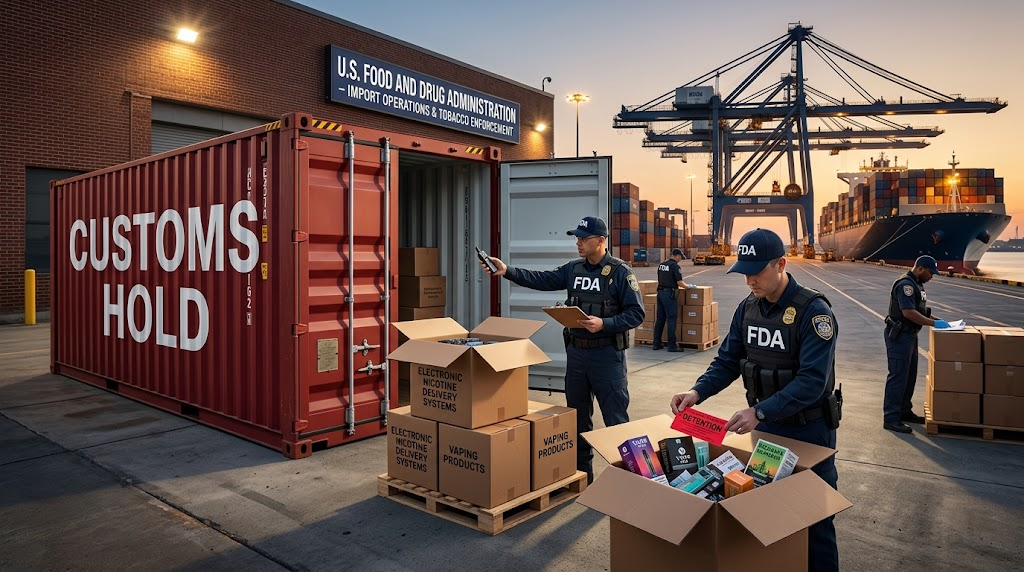
The U.S. Food and Drug Administration has revised the rules under Import Alert 98-07 to incorporate its May 2026 enforcement-priority policy for certain electronic nicotine delivery systems marketed without premarket authorization. The alert continues to allow detention without physical examination, or DWPE, for ENDS lacking required marketing authorization, while directing field divisions to apply the May risk-based framework. When necessary, detention or refusal decisions must also undergo review by the FDA's Center for Tobacco Products. Products including PACHA and Vuse Pro have already emerged as industry examples of the May policy, although enforcement discretion does not constitute FDA marketing authorization.
News
Sep.28 by 2Firsts Perspectives
From a 2017 Launch to 48% of South Korea’s Heated Tobacco Market, KT&G Looks Back on a Decade of lil
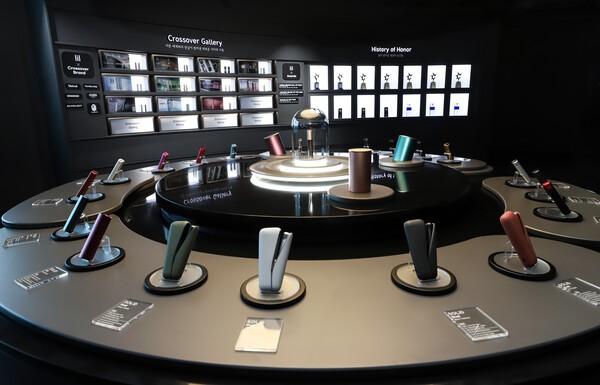
KT&G announced on Aug. 13, 2026, that it has opened “lil Archive,” a brand exhibition space in Seoul showcasing the evolution, technology platforms and future direction of its heated tobacco brand lil since its launch in 2017. KT&G said lil now spans three major platforms — lil SOLID, lil HYBRID and lil AIBLE — with more than 30 dedicated consumables, and held a 48% share of South Korea's heated tobacco market in the second quarter of 2026. The opening comes as lil enters its 10th year, with KT&G continuing to position the brand for expansion beyond its domestic market.
Aug.14
Germany's Four-Year Tobacco Tax Plan Heads to Parliament as BAT, JTI and PMI Push for Changes
Germany's parliament is scheduled to hold a first reading of amendments to the Tobacco Tax Act on September 24. The government plans annual tax increases from 2027 through 2030 covering cigarettes, heated tobacco, vaping liquids and other categories. It expects the reform to generate €756 million in additional revenue in 2027, rising to €3.589 billion in additional annual revenue by 2030. Ahead of the parliamentary debate, the German Association of the Tobacco Industry and Novel Products, or BVTE, launched the "Tabaksteuer mit Augenmaß" campaign backed by BAT, JTI, Philip Morris, Reemtsma and wholesale and retail groups.
Sep.23
Product | IVG Launches NEXiO Prefilled Pod System, Expanding Beyond Disposable Vapes
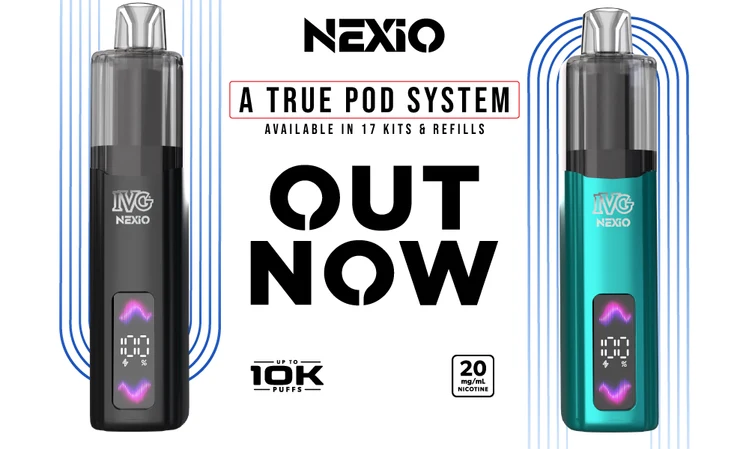
UK vape brand IVG has launched the NEXiO reusable prefilled pod system, expanding its product portfolio beyond disposable vape products. The device features a 1,000mAh rechargeable battery, prefilled pods with a refill reservoir structure and a claimed capacity of up to 10,000 puffs. Officially launched in the UK on July 9, 2026, NEXiO debuted with 17 flavor options, reflecting IVG’s move into reusable pod formats.
Aug.19
Australia’s Victoria Steps Up Illegal Tobacco Enforcement With Store Closures and Penalties of Up to A$2.5 Million
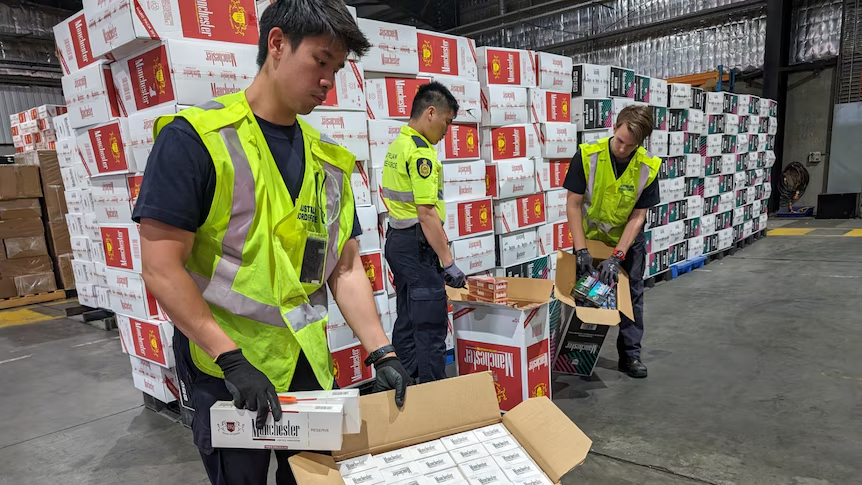
Australia’s state of Victoria has activated new powers allowing Tobacco Licensing Victoria and police to shut premises suspected of selling, supplying or possessing illicit tobacco for up to 90 days. Longer closures can be ordered by a magistrates’ court. Businesses subject to closure orders must generally cease all trading and will be placed on a public list. Breaching a closure order can carry penalties of up to A$2.5 million and 20 years in prison.
Sep.10