The Korean Association for Consumer Sovereignty has once again called on tobacco companies to immediately halt their exaggerated and false advertising of nicotine-free e-cigarettes. They also urged the Korean Food and Drug Administration (FDA) to swiftly implement appropriate regulatory measures, according to a report by Dtoday on December 3.
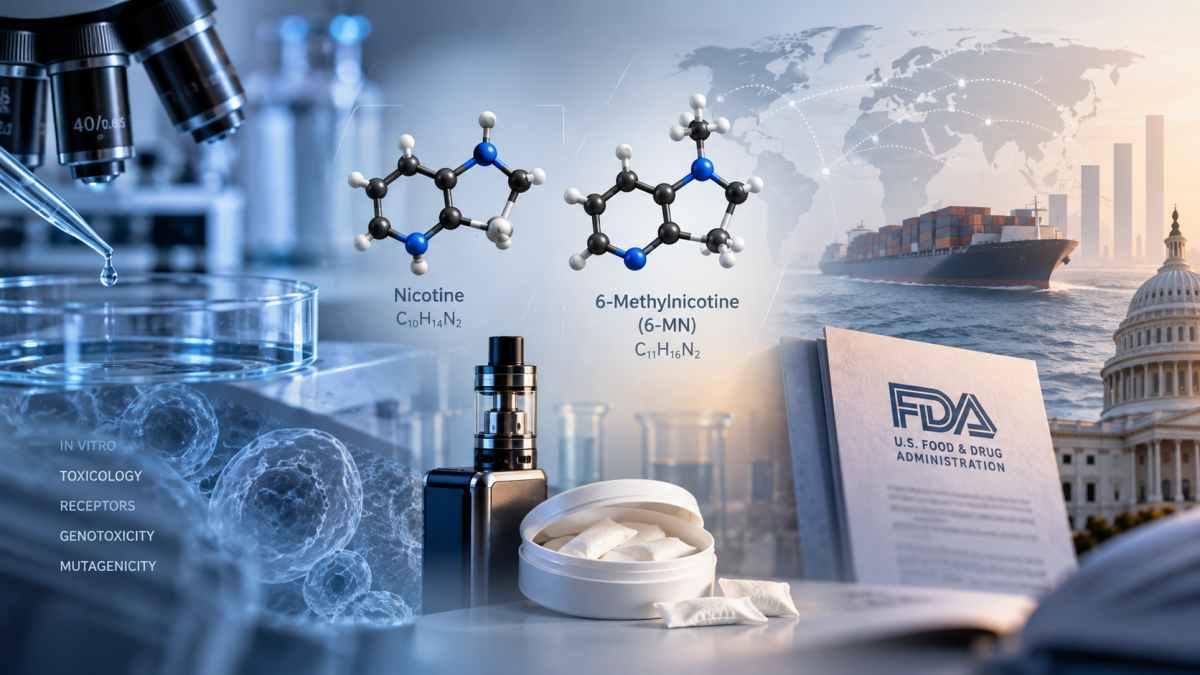
A recent investigative report by KBS News on June 21 revealed that nicotine-free e-cigarettes being sold in the market were found to contain a substance called "methyl nicotine," which mimics the effects of nicotine.
There is a regulatory gap when it comes to non-nicotine and nicotine-like products. As a result, sellers have been promoting "synthetic or nicotine-like e-cigarettes" as "nicotine-free e-cigarettes" for distribution and sale. Nicotine-free products are often marketed as a smoking cessation aid, but they also serve as a gateway for youth smoking.
The Korean Association for Consumer Sovereignty expressed concern that these products could negatively impact public health, particularly among the youth, and increase smoking rates. They strongly urged the Korean FDA to immediately stop false advertising and mislabeling by sellers of nicotine-free e-cigarettes.
Currently, South Korea has the highest tax rate on e-cigarettes in the world. According to a report by the Korea Institute of Public Finance, the tax rate on e-cigarette liquids is approximately 1,799 KRW per milliliter, which is about 3.6 times higher than the state of Connecticut in the U.S. (492 KRW per milliliter). The high tax has forced tobacco vendors to seek alternative tax-free options. In response, some businesses have started selling liquid e-cigarettes as either non-flavored liquids or diluted nicotine products.
In 2016, the Korean Ministry of Food and Drug Safety started including nicotine-free products in safety management after the "humidifier disinfectant incident." However, in 2023, when some manufacturers inquired about regulations for nicotine-free products, the ministry stated that a comprehensive assessment of the ingredients, content, and effectiveness was required.
Subsequently, the sales of nicotine-free e-cigarettes surged. The KBS investigation found that all six products tested from three different companies contained "methyl nicotine," an ingredient not disclosed on the labels.
The Ministry of Health and Welfare pointed out that synthetic nicotine is not yet included under tobacco regulation, and discussions on nicotine-like substances are premature. However, the ministry suggested that if necessary, the Korean FDA could carry out a hazard assessment.
We welcome news tips, article submissions, interview requests, or comments on this piece.
Please contact us at info@2firsts.com, or reach out to Alan Zhao, CEO of 2Firsts, on LinkedIn
Notice
1. This article is intended solely for professional research purposes related to industry, technology, and policy. Any references to brands or products are made purely for objective description and do not constitute any form of endorsement, recommendation, or promotion by 2Firsts.
2. The use of nicotine-containing products — including, but not limited to, cigarettes, e-cigarettes, nicotine pouchand heated tobacco products — carries significant health risks. Users are responsible for complying with all applicable laws and regulations in their respective jurisdictions.
3. This article is not intended to serve as the basis for any investment decisions or financial advice. 2Firsts assumes no direct or indirect liability for any inaccuracies or errors in the content.
4. Access to this article is strictly prohibited for individuals below the legal age in their jurisdiction.
Copyright
This article is either an original work created by 2Firsts or a reproduction from third-party sources with proper attribution. All copyrights and usage rights belong to 2Firsts or the original content provider. Unauthorized reproduction, distribution, or any other form of unauthorized use by any individual or organization is strictly prohibited. Violators will be held legally accountable.
For copyright-related inquiries, please contact: info@2firsts.com
AI Assistance Disclaimer
This article may have been enhanced using AI tools to improve translation and editorial efficiency. However, due to technical limitations, inaccuracies may occur. Readers are encouraged to refer to the cited sources for the most accurate information.
We welcome any corrections or feedback. Please contact us at: info@2firsts.com