Large-scale Illegal Tobacco Products Seized in Bolton City Operation

Regulations by 2FIRSTS.ai
Feb.26.2024
Large-scale Illegal Tobacco Products Seized in Bolton City Operation
A recent crackdown in Bolton resulted in the seizure of a large quantity of illegal tobacco products, posing health risks.

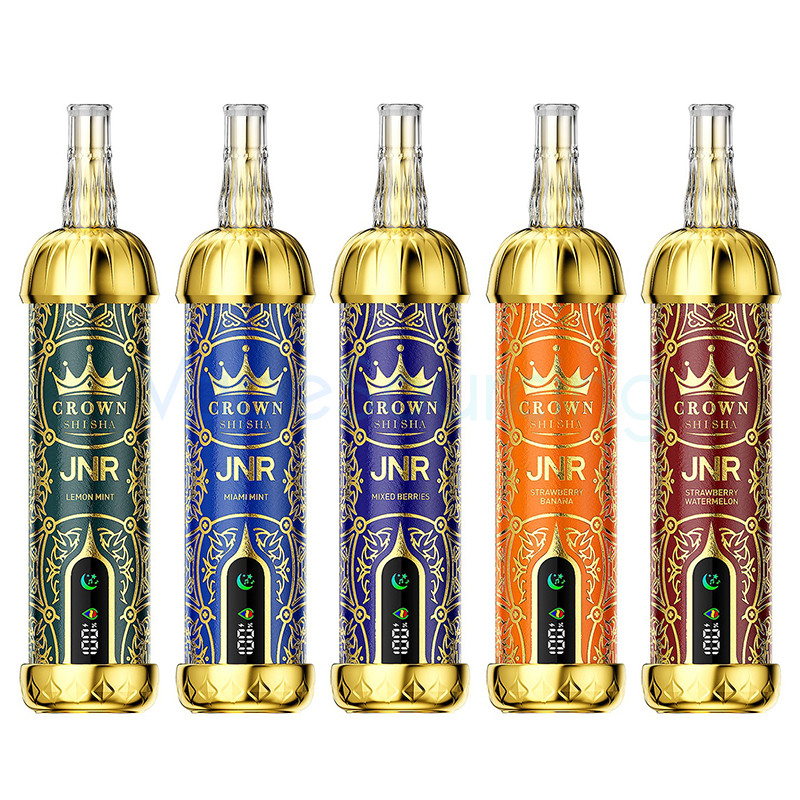
Recently, according to a report by The Bolton News, a large-scale operation to seize illegal tobacco products was carried out in the city of Bolton, UK. During a surprise search conducted at local shops in the city center, authorities seized a large amount of goods, including 935 e-cigarettes, 170 bags of HRT, and nearly ten thousand cigarettes.


It is estimated that the sale of these illegal cigarettes and tobacco products not only encroaches on the market share of legitimate businesses, but also poses a great risk to public health. In response to these illegal sales activities, the police and relevant departments are increasing their efforts to crack down on them.


Smokers should be vigilant, as illegal cigarettes and tobacco products may pose serious health risks. Purchasing illegal cigarettes can contribute to illegal production and sales activities, posing a threat to public health.


We welcome news tips, article submissions, interview requests, or comments on this piece.

Please contact us at info@2firsts.com, or reach out to Alan Zhao, CEO of 2Firsts, on LinkedIn


Notice

1.  This article is intended solely for professional research purposes related to industry, technology, and policy. Any references to brands or products are made purely for objective description and do not constitute any form of endorsement, recommendation, or promotion by 2Firsts.

2.  The use of nicotine-containing products — including, but not limited to, cigarettes, e-cigarettes, nicotine pouchand heated tobacco products — carries significant health risks. Users are responsible for complying with all applicable laws and regulations in their respective jurisdictions.

3.  This article is not intended to serve as the basis for any investment decisions or financial advice. 2Firsts assumes no direct or indirect liability for any inaccuracies or errors in the content.

4.  Access to this article is strictly prohibited for individuals below the legal age in their jurisdiction.


Copyright


This article is either an original work created by 2Firsts or a reproduction from third-party sources with proper attribution. All copyrights and usage rights belong to 2Firsts or the original content provider. Unauthorized reproduction, distribution, or any other form of unauthorized use by any individual or organization is strictly prohibited. Violators will be held legally accountable.

For copyright-related inquiries, please contact: info@2firsts.com


AI Assistance Disclaimer


This article may have been enhanced using AI tools to improve translation and editorial efficiency. However, due to technical limitations, inaccuracies may occur. Readers are encouraged to refer to the cited sources for the most accurate information.

We welcome any corrections or feedback. Please contact us at: info@2firsts.com

BAT Uzbekistan and Regulators Discuss Production Modernization and Export Expansion
A meeting was held at the Department for Combating Economic Crimes under the General Prosecutor’s Office of Uzbekistan with representatives of British American Tobacco Uzbekistan. Participants included the department’s leadership, the Inspectorate for Regulation of the Alcohol and Tobacco Market, and business representatives.
May.09 by 2FIRSTS.ai
Bringing Tax and Insurance Into Nicotine Regulation: Insights From a Tobacco Harm-Reduction Report
A smoke-free nicotine policy report argues that tobacco harm reduction should move beyond product bans and health warnings into tax policy, insurance pricing and risk-based regulation. While some projections remain open to debate, the report highlights a wider challenge: nicotine products, technologies and consumer behavior have changed sharply over the past decade, and regulatory systems may need new tools to better align tobacco control with harm-reduction goals.
Jun.08
PMI Highlights 43 Million Smoke-Free Users at Stockholm Summit
Philip Morris International says about 43 million adults worldwide now use its smoke-free products, with nearly 70% having stopped using cigarettes and smoke-free products accounting for about 43% of its net revenues.
Jun.18
Philippine Health Department Pushes Total Vape Ban, With Tobacco-Only Flavor Limit as Alternative
The Philippine Department of Health said it is pushing for a total ban on vape products. If a full ban is not feasible, DOH officer-in-charge Director Dr. Dominic Maddumba said vape products should at least be limited to plain tobacco flavors to reduce their appeal to minors.
May.06 by 2FIRSTS.ai
2Firsts Hosts U.S. Compliance Briefing on Building PMTA Support Capabilities Across the Nicotine Supply Chain
2Firsts held a U.S. compliance briefing in Shenzhen to help vaping, heated tobacco and nicotine pouch supply chain companies strengthen PMTA support capabilities. The event focused on supplier documentation, quality systems, traceability, TPMF/TPMP pathways, age verification and customer audit readiness as U.S. compliance expectations increasingly extend deeper into the nicotine supply chain.
Events
Jun.12
Special Report | Russian Vape Compromise Faces First Hurdles
Russia’s regional vape-ban model is facing early legal and political tests, as Perm Krai moves ahead before federal legislation is fully adopted. The case highlights uncertainty over regional authority, concerns from business groups about market fragmentation, and the risk that pressure against regional bans could revive calls for a stricter nationwide prohibition.
Industry Insight
May.28