New Jersey State Bill Proposes Ban on Tobacco Sales

Regulations by 2FIRSTS.ai
Mar.11.2024
New Jersey State Bill Proposes Ban on Tobacco Sales
New Jersey Assemblywoman Carol A. Murphy introduces legislation to ban tobacco and e-cigarette sales in pharmacies statewide.

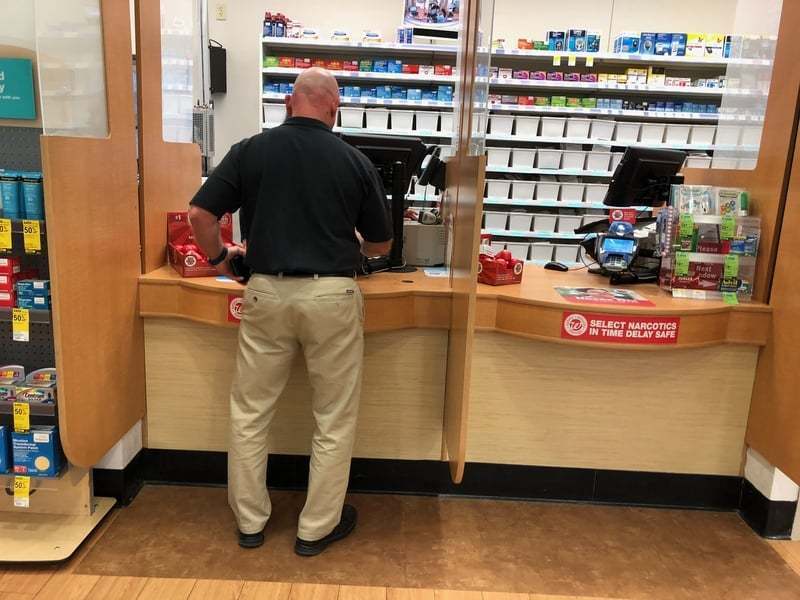
According to a report by Shore News Network on March 10th, New Jersey State Assemblywoman Carol A. Murphy has introduced legislation to ban the sale of tobacco products and e-cigarette devices in pharmacies and businesses with pharmacies statewide. The bill aims to amend Section 2A of the New Jersey Statutes. It is planned to take effect seven months after enactment, setting a precedent for tobacco sales regulations in the state.


The bill specifically targets the sale of cigarettes, smokeless tobacco, and any e-cigarette devices at any pharmacy or commercial entity with a pharmacy, including e-cigarettes, cigars, pipes, and their pods or components. However, there are exceptions for FDA-approved smoking cessation products and medical marijuana sold by licensed pharmacies to registered qualifying patients.


First-time violators will face a fine of no less than $250, with fines increasing to $1000 for each subsequent violation after the third offense. Additionally, the legislation also outlines disciplinary actions for pharmacies and businesses that do not comply with the regulations.


We welcome news tips, article submissions, interview requests, or comments on this piece.

Please contact us at info@2firsts.com, or reach out to Alan Zhao, CEO of 2Firsts, on LinkedIn


Notice

1.  This article is intended solely for professional research purposes related to industry, technology, and policy. Any references to brands or products are made purely for objective description and do not constitute any form of endorsement, recommendation, or promotion by 2Firsts.

2.  The use of nicotine-containing products — including, but not limited to, cigarettes, e-cigarettes, nicotine pouchand heated tobacco products — carries significant health risks. Users are responsible for complying with all applicable laws and regulations in their respective jurisdictions.

3.  This article is not intended to serve as the basis for any investment decisions or financial advice. 2Firsts assumes no direct or indirect liability for any inaccuracies or errors in the content.

4.  Access to this article is strictly prohibited for individuals below the legal age in their jurisdiction.


Copyright


This article is either an original work created by 2Firsts or a reproduction from third-party sources with proper attribution. All copyrights and usage rights belong to 2Firsts or the original content provider. Unauthorized reproduction, distribution, or any other form of unauthorized use by any individual or organization is strictly prohibited. Violators will be held legally accountable.

For copyright-related inquiries, please contact: info@2firsts.com


AI Assistance Disclaimer


This article may have been enhanced using AI tools to improve translation and editorial efficiency. However, due to technical limitations, inaccuracies may occur. Readers are encouraged to refer to the cited sources for the most accurate information.

We welcome any corrections or feedback. Please contact us at: info@2firsts.com

FDA Issues Draft PMTA Guidance for Flavored E-Cigarettes, Maintaining Higher Evidence Bar for Fruit and Sweet Flavors
The U.S. Food and Drug Administration (FDA) on March 9 released a draft guidance outlining its current thinking on premarket tobacco product applications (PMTAs) for flavored electronic nicotine delivery systems (ENDS). The document reiterates that fruit, candy, dessert, and other sweet-flavored e-cigarettes present a “significant public health risk” to youth and therefore face a higher evidentiary burden if manufacturers seek marketing authorization.
Mar.10 by 2FIRSTS.ai
Kansas Senate approves tougher vape rules to target unlicensed products and child-directed ads
The Kansas Senate approved Senate Bill 355 on Wednesday, aiming to crack down on unlicensed vaping products and eliminate advertisements geared toward children. The bill, backed by major tobacco companies, would impose the same licensing and advertising requirements on e-cigarettes as other nicotine products and require every e-cigarette manufacturer doing business in Kansas to obtain a license, with a $2,500 application fee.
Feb.13 by 2FIRSTS.ai
Daegu Jung-gu: liquid e-cigarettes with synthetic nicotine to be fined in nonsmoking areas under revised Tobacco Business Act
Daegu’s Jung-gu District announced on Feb. 10 that, following amendments to the Tobacco Business Act that explicitly classify liquid e-cigarettes containing synthetic nicotine as “tobacco” (effective April 24, 2026), the district will expand regulations to include fines for vaping such products in designated nonsmoking areas. The district health office said smokers/vapers could face an administrative fine of up to 100,000 won for using synthetic-nicotine liquid e-cigarettes in smoke-free zones
Feb.10 by 2FIRSTS.ai
West Virginia Governor Signs Bill Directing USD 2.9 Million From Juul Settlement to Youth Tobacco Prevention
The American Cancer Society Cancer Action Network said West Virginia Governor Patrick Morrisey has signed House Bill 5691 into law, directing USD 2.9 million from the Juul settlement to youth tobacco prevention and programs that help people quit. The bill is a supplemental appropriation measure, and the Legislature’s bill history shows it passed the House on March 11, passed the Senate on March 13 and was sent to the governor on March 18.
Mar.20 by 2FIRSTS.ai
PMI Faces Setback in India: Global Regulatory Fragmentation Complicates Its Smoke-Free Transition
India has reaffirmed its 2019 ban on e-cigarettes and heated tobacco devices, effectively blocking Philip Morris International (PMI) from launching IQOS in the country despite years of lobbying. Together with Taiwan, China’s conditional opening of heated tobacco products, and Japan’s planned 2026 excise tax hikes, these moves highlight increasingly divergent national regulatory pathways—an external uncertainty shaping PMI’s smoke-free growth trajectory.
Feb.12
Haypp Voluntarily Sets a 20 mg Nicotine-Strength Cap for Nicotine Pouches and Urges the UK to Establish a Regulatory Limit
Online nicotine pouch retailer Haypp said it has voluntarily adopted a 20 mg per pouch nicotine-strength cap across its e-commerce platforms and is urging the UK government to formalize that cap as the limit as it develops a regulatory framework. Haypp said proportionate limits would protect consumers while preserving nicotine pouches as a viable reduced-risk alternative to cigarettes.
Feb.26 by 2FIRSTS.ai