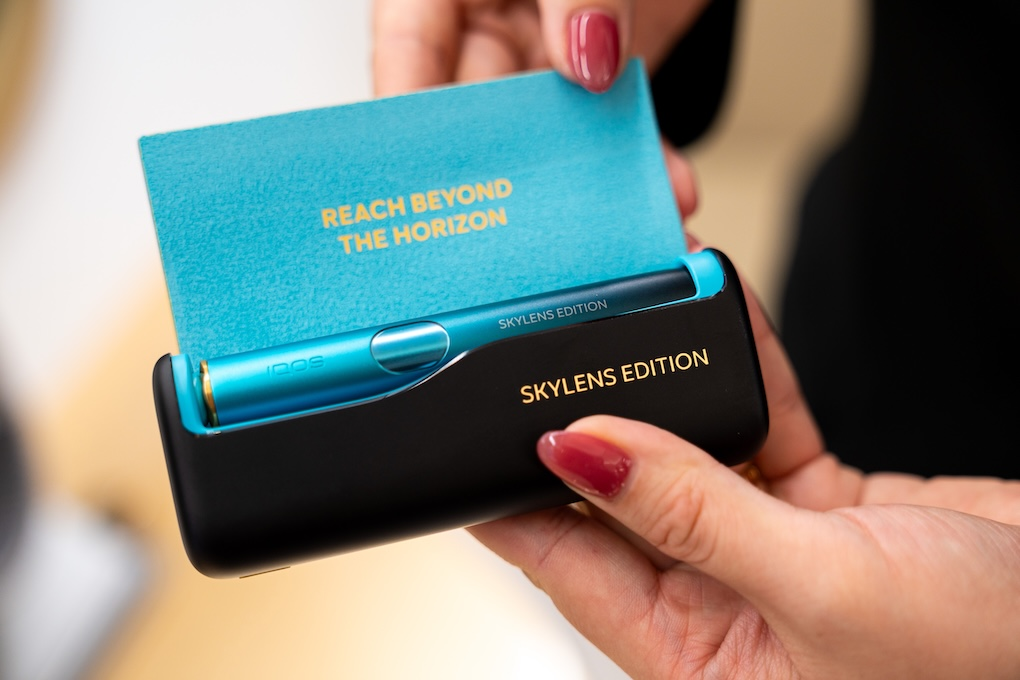
According to Biznes.Newseria on December 10th, Maciej Powroźnik, the chairman of the Polish e-cigarette employers' association, stated that starting in July 2025, e-cigarette devices in Poland will face a consumption tax of 40 złoty (10 USD) per unit, leading to an increase in the retail price of devices to around 80 złoty (20 USD). In the coming years, taxes on e-cigarette e-liquid will also significantly increase, potentially causing e-cigarettes and related products to disappear from the market. This change is expected to benefit traditional tobacco products and large tobacco companies, while local small and medium-sized enterprises will suffer losses.
According to data from the Ministry of Health, the number of e-cigarette related companies entering the Polish market has rapidly increased from 87 in 2020 to 4430 in 2023, with the majority being imported disposable e-cigarette devices.
Currently, e-cigarette devices are not subject to a consumption tax, but the Ministry of Finance plans to change this through a new amendment to the law. This proposal will take effect in April 2025 and implementation will begin in July. This change will categorize e-cigarette devices as non-harmonized tax products, with a tax rate of 40 Zloty (approximately $10).
It is expected that the new regulations will severely impact e-cigarette liquid by increasing taxes. The cost to consumers for the finished product is expected to continue rising over the next few years, eventually reaching 1.8 euros per milliliter (0.45 US dollars), making it the highest tax rate within the European Union.
Some industry insiders point out that this may lead to traditional cigarettes regaining the dominant position in the market, while the e-cigarette industry is mainly dominated by local small and medium-sized enterprises. Therefore, changes in policy may potentially deal a heavy blow to local businesses.
The new tax policy will have a significant impact on the e-cigarette industry in Poland, with some businesses possibly unable to bear the increased financial pressure. Although the Ministry of Finance is aware of the potential risk of business closures, it still emphasizes the need to take measures to enter other markets or transform in order to continue operating.
Although the Ministry of Finance hopes that the new policy will bring substantial fiscal revenue, industry insiders predict that achieving fiscal objectives will face significant challenges due to the shrinkage of the market and consumers turning to illegal channels. According to existing data, the illegal market may expand to occupy a 50% share.
We welcome news tips, article submissions, interview requests, or comments on this piece.
Please contact us at info@2firsts.com, or reach out to Alan Zhao, CEO of 2Firsts, on LinkedIn
Notice
1. This article is intended solely for professional research purposes related to industry, technology, and policy. Any references to brands or products are made purely for objective description and do not constitute any form of endorsement, recommendation, or promotion by 2Firsts.
2. The use of nicotine-containing products — including, but not limited to, cigarettes, e-cigarettes, nicotine pouchand heated tobacco products — carries significant health risks. Users are responsible for complying with all applicable laws and regulations in their respective jurisdictions.
3. This article is not intended to serve as the basis for any investment decisions or financial advice. 2Firsts assumes no direct or indirect liability for any inaccuracies or errors in the content.
4. Access to this article is strictly prohibited for individuals below the legal age in their jurisdiction.
Copyright
This article is either an original work created by 2Firsts or a reproduction from third-party sources with proper attribution. All copyrights and usage rights belong to 2Firsts or the original content provider. Unauthorized reproduction, distribution, or any other form of unauthorized use by any individual or organization is strictly prohibited. Violators will be held legally accountable.
For copyright-related inquiries, please contact: info@2firsts.com
AI Assistance Disclaimer
This article may have been enhanced using AI tools to improve translation and editorial efficiency. However, due to technical limitations, inaccuracies may occur. Readers are encouraged to refer to the cited sources for the most accurate information.
We welcome any corrections or feedback. Please contact us at: info@2firsts.com