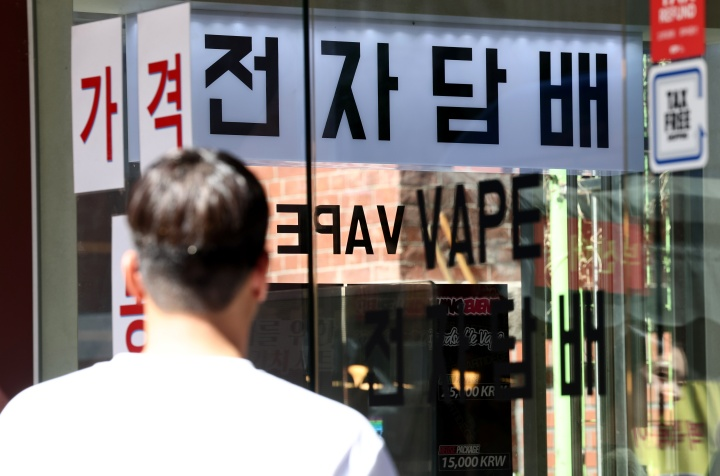
According to Vietnamnet on August 21, voters in Da Nang City, Vietnam, have raised concerns about the widespread and rampant use of e-cigarettes in schools at all levels, which is negatively impacting students' health and learning.
The city's voters raised concerns at the 7th session of the 15th National Assembly, suggesting a ban on selling e-cigarettes to students and measures to restrict the entry of e-cigarettes into Vietnam, while also calling for strict measures against companies engaged in the illegal supply and sale of e-cigarettes.
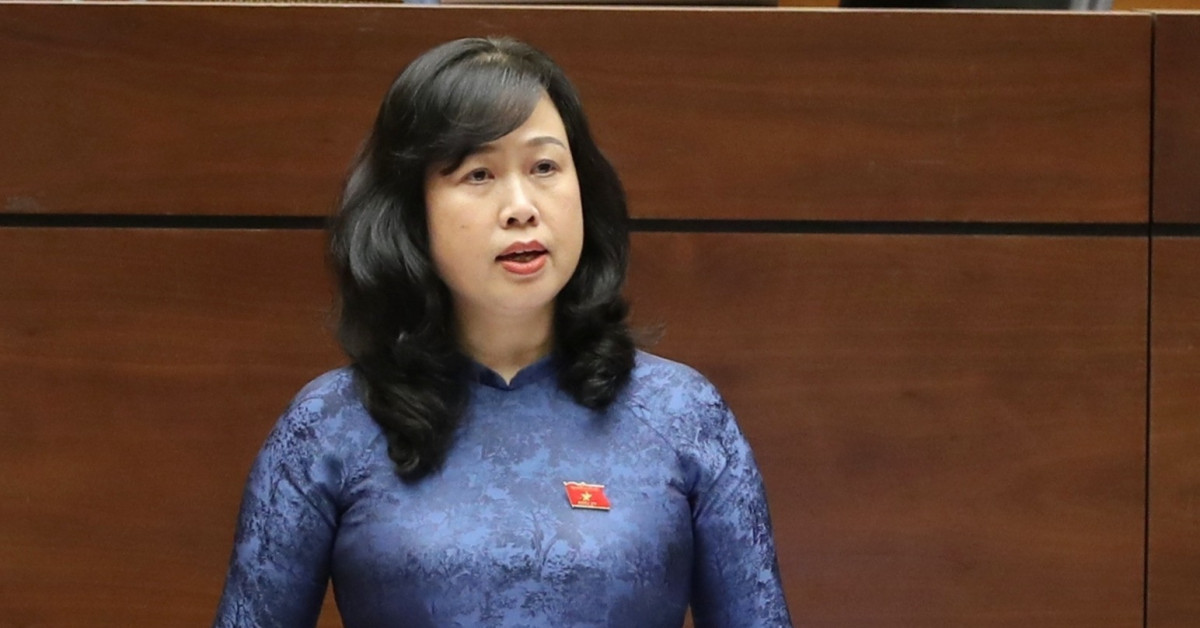
According to this suggestion, the Minister of Health of Vietnam, Dao Hong Lan, stated that there is a "legal loophole" regarding e-cigarettes, heated tobacco, and other new tobacco products. She pointed out that the 2012 Law on Tobacco Harm Prevention does not specifically address these new tobacco products. At the same time, the Investment Law also does not include e-cigarettes, HNB tobacco products, or other new tobacco products in the list of prohibited or conditionally permitted investment activities.
A report from the Medical Management Department of the Ministry of Health in Vietnam reveals that out of nearly 700 medical facilities nationwide, there were 1,224 cases of hospitalization in 2023 due to the use of e-cigarettes and HNB tobacco products. Among these cases, 71 were patients under the age of 18, and 10% were female.
The minister pointed out that the relevant departments are currently only able to crack down on these new tobacco products in the form of no invoices, no receipts for goods, or smuggled products. Some cases involving drugs or banned substances have already been dealt with criminally. The minister believes that the problem of new tobacco is becoming increasingly serious, arousing widespread public concern, especially among students and college students. These products are highly addictive, so swift measures must be taken to curb them in a timely manner.
In May of this year, the Ministry of Health has recommended the government to submit a resolution to Parliament to completely ban the production, operation, import, and advertising of e-cigarettes, HNB tobacco, and other potential new tobacco products in the future.
If only proposing to ban individuals under 18 from purchasing, selling, or using e-cigarettes and HNB tobacco products, or selling these products to those under 18, then tobacco control efforts will not be able to achieve the goal of reducing smoking rates. Instead, it may give young people the opportunity to be exposed to tobacco and lead to other risks.
Currently, five countries in the ASEAN region, including Thailand, Singapore, Laos, Brunei, and Cambodia, have completely banned e-cigarettes and HNB tobacco products.
We welcome news tips, article submissions, interview requests, or comments on this piece.
Please contact us at info@2firsts.com, or reach out to Alan Zhao, CEO of 2Firsts, on LinkedIn
Notice
1. This article is intended solely for professional research purposes related to industry, technology, and policy. Any references to brands or products are made purely for objective description and do not constitute any form of endorsement, recommendation, or promotion by 2Firsts.
2. The use of nicotine-containing products — including, but not limited to, cigarettes, e-cigarettes, nicotine pouchand heated tobacco products — carries significant health risks. Users are responsible for complying with all applicable laws and regulations in their respective jurisdictions.
3. This article is not intended to serve as the basis for any investment decisions or financial advice. 2Firsts assumes no direct or indirect liability for any inaccuracies or errors in the content.
4. Access to this article is strictly prohibited for individuals below the legal age in their jurisdiction.
Copyright
This article is either an original work created by 2Firsts or a reproduction from third-party sources with proper attribution. All copyrights and usage rights belong to 2Firsts or the original content provider. Unauthorized reproduction, distribution, or any other form of unauthorized use by any individual or organization is strictly prohibited. Violators will be held legally accountable.
For copyright-related inquiries, please contact: info@2firsts.com
AI Assistance Disclaimer
This article may have been enhanced using AI tools to improve translation and editorial efficiency. However, due to technical limitations, inaccuracies may occur. Readers are encouraged to refer to the cited sources for the most accurate information.
We welcome any corrections or feedback. Please contact us at: info@2firsts.com