Key Highlights
- The South Korean postal system has launched a program to collect and recycle heat-not-burn tobacco devices through nationwide post office windows and mailboxes.
- Consumers can simply deposit used heat-not-burn tobacco devices (produced by Philip Morris Korea) in dedicated recycling bags at the post office without any additional procedures.
- The post office is responsible for transporting the recycled devices to recycling companies for safe disposal.
- This initiative aims to reduce the risk of improper disposal of batteries and electronic components and improve recycling rates and compliance levels.
2firsts, February 10, 2026
According to a report from the Seoul News Agency, Korea Post (under the Ministry of Science and ICT) has announced that the nationwide heating tobacco device "Mail-back Takeback" has begun full implementation. This project is a resource recycling initiative promoted by Korea Post after signing a cooperation memorandum with the Ministry of Climate, Energy, and Environment, the Environmental Fund, and Philip Morris Korea in December 2025.
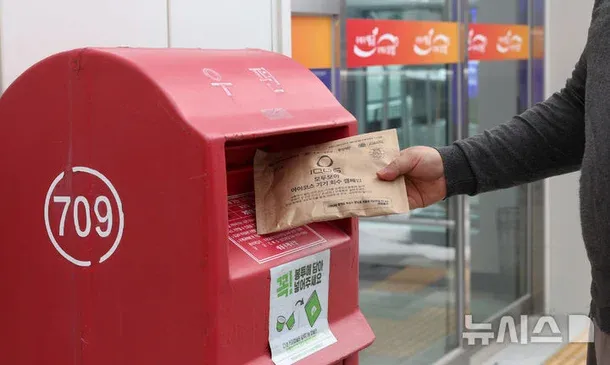
According to the current process, consumers can place used heated tobacco devices (limited to products produced by Philip Morris Korea) in special recycling bags distributed by local post offices. They can then choose from two methods of delivery: either by submitting them at the nearest post office window or by directly depositing them into a mailbox. The post office will collect the devices and send them to a recycling processing company for safe and proper disposal.
Due to the lack of additional registration or complex steps required, the project is considered to have significantly improved the accessibility and convenience of recycling by utilizing existing postal infrastructure for delivery and collection.
The South Korean postal service pointed out that heating tobacco devices typically contain batteries and electronic components. If they are disposed of as regular garbage, it poses risks of environmental pollution and improper disposal. By establishing a nationwide mail-in recycling channel, it is possible to reduce illegal dumping or indiscriminate stacking, increase recycling rates, and utilize the national postal logistics system to create a safer and more systematic recycling route.
In addition to heating tobacco devices, the South Korean postal service is also concurrently promoting the mailing and recycling of discarded medicines, disposable coffee capsules, and other items. With the gradual expansion of the "convenient recycling of domestic waste" system, the role of post offices as key players in the resource recycling system is being further strengthened.
Image source: Seoul News Agency
We welcome news tips, article submissions, interview requests, or comments on this piece.
Please contact us at info@2firsts.com, or reach out to Alan Zhao, CEO of 2Firsts, on LinkedIn
Notice
1. This article is intended solely for professional research purposes related to industry, technology, and policy. Any references to brands or products are made purely for objective description and do not constitute any form of endorsement, recommendation, or promotion by 2Firsts.
2. The use of nicotine-containing products — including, but not limited to, cigarettes, e-cigarettes, nicotine pouchand heated tobacco products — carries significant health risks. Users are responsible for complying with all applicable laws and regulations in their respective jurisdictions.
3. This article is not intended to serve as the basis for any investment decisions or financial advice. 2Firsts assumes no direct or indirect liability for any inaccuracies or errors in the content.
4. Access to this article is strictly prohibited for individuals below the legal age in their jurisdiction.
Copyright
This article is either an original work created by 2Firsts or a reproduction from third-party sources with proper attribution. All copyrights and usage rights belong to 2Firsts or the original content provider. Unauthorized reproduction, distribution, or any other form of unauthorized use by any individual or organization is strictly prohibited. Violators will be held legally accountable.
For copyright-related inquiries, please contact: info@2firsts.com
AI Assistance Disclaimer
This article may have been enhanced using AI tools to improve translation and editorial efficiency. However, due to technical limitations, inaccuracies may occur. Readers are encouraged to refer to the cited sources for the most accurate information.
We welcome any corrections or feedback. Please contact us at: info@2firsts.com