Proposal to Increase Federal Tobacco Tax by 19% in Pakistan Budget

Regulations by 2FIRSTS.ai
May.28.2024
Proposal to Increase Federal Tobacco Tax by 19% in Pakistan Budget
Pakistan government considers increasing federal excise tax on tobacco in upcoming budget to reduce health burden. WHO supports higher tax rates.

According to a report from Pakistan's Business Recorder on May 28, the Pakistan government may increase the federal excise duty (FED) on tobacco in the upcoming budget for the fiscal year 2024-25. The World Health Organization (WHO) and the Ministry of Health have also recommended increasing the FED tax rate to more effectively reduce the health burden associated with tobacco consumption.

Proposal to Increase Federal Tobacco Tax by 19% in Pakistan Budget


According to a news report from 2024, the Ministry of Finance is expected to raise tax rates in the 2024 Finance Bill. One proposal being considered is to increase the federal excise tax on tobacco by 19%, despite recommendations from the World Health Organization (WHO) and the Ministry of Health to raise tobacco taxes by 37% and 20% respectively. The Federal Board of Revenue (FBR) in Pakistan has proposed to increase the federal excise tax on tobacco in the next fiscal year. During a budget preparation meeting between the FBR and various tobacco manufacturers, the latter expressed strong dissatisfaction with decreased production and increased domestic smuggling/illegal products.


The World Health Organization recommends increasing the federal consumption tax by 37% to bring the tax share of retail prices to the international standard of 70%. Various anti-smoking activists have submitted tax proposals to the Ministry of Health, including the WHO's recommendation, stressing that raising tobacco taxes can not only ease the burden on the healthcare system but also help increase revenue.


According to the tax proposal, maintaining the current federal consumption tax rate could lead to a decrease in health recovery. In order to achieve the same level of health cost recovery observed in 2023-24, the federal consumption tax rate would need to be increased by 37% next year. This would help generate an additional 600 billion rupees in goods and services tax from tobacco.


The cost of tobacco consumption on the healthcare system indicates that there are currently 31.6 million adults in the country using tobacco, resulting in over 160,000 deaths per year. The cost of smoking-related diseases and deaths accounts for at least 1.4% of the country's GDP.


From July 2023 to January 2024, tax revenues have reached 122 billion rupees (approximately 1.4 billion US dollars), with the full year's income expected to exceed 200 billion rupees (approximately 2.4 billion US dollars). The tax proposal suggests that increasing tobacco product taxes will help save lives, and the government should consider incorporating automatic adjustments to consumption taxes in the tobacco tax strategy for the next fiscal year 2024-25 to ensure it covers a certain percentage of the overall health costs associated with smoking.


The latest policy report "Restoring Medical Expenses, Saving Lives" suggests that the Social Policy Development Center (SPDC) is recommending a 37% increase in federal consumption tax in the next fiscal year budget. The Campaign for Tobacco-Free Kids (CTFK) has proposed a 26.6% increase in federal consumption tax for the 2024-25 fiscal year.


We welcome news tips, article submissions, interview requests, or comments on this piece.

Please contact us at info@2firsts.com, or reach out to Alan Zhao, CEO of 2Firsts, on LinkedIn


Notice

1.  This article is intended solely for professional research purposes related to industry, technology, and policy. Any references to brands or products are made purely for objective description and do not constitute any form of endorsement, recommendation, or promotion by 2Firsts.

2.  The use of nicotine-containing products — including, but not limited to, cigarettes, e-cigarettes, nicotine pouchand heated tobacco products — carries significant health risks. Users are responsible for complying with all applicable laws and regulations in their respective jurisdictions.

3.  This article is not intended to serve as the basis for any investment decisions or financial advice. 2Firsts assumes no direct or indirect liability for any inaccuracies or errors in the content.

4.  Access to this article is strictly prohibited for individuals below the legal age in their jurisdiction.


Copyright


This article is either an original work created by 2Firsts or a reproduction from third-party sources with proper attribution. All copyrights and usage rights belong to 2Firsts or the original content provider. Unauthorized reproduction, distribution, or any other form of unauthorized use by any individual or organization is strictly prohibited. Violators will be held legally accountable.

For copyright-related inquiries, please contact: info@2firsts.com


AI Assistance Disclaimer


This article may have been enhanced using AI tools to improve translation and editorial efficiency. However, due to technical limitations, inaccuracies may occur. Readers are encouraged to refer to the cited sources for the most accurate information.

We welcome any corrections or feedback. Please contact us at: info@2firsts.com

Product | R.J. Reynolds Launches Four Flavored Vuse Pro Pods for Vuse Alto Devices in U.S.
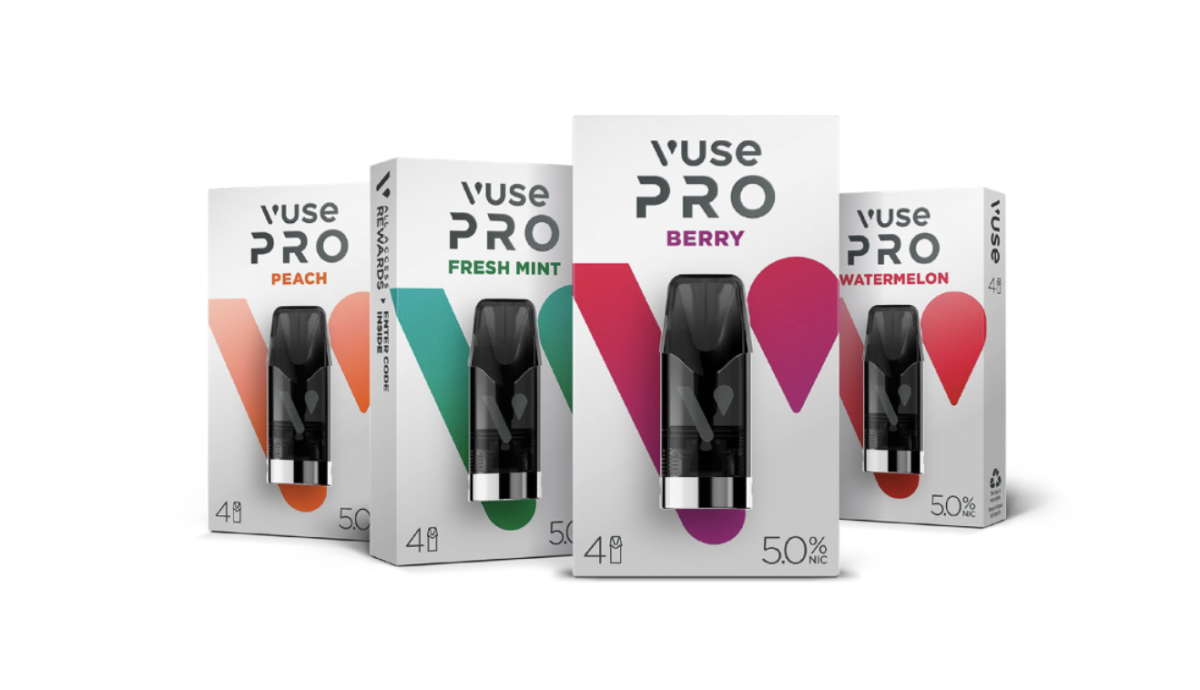
R.J. Reynolds Vapor Company has introduced Vuse Pro prefilled pods in Peach, Berry, Watermelon and Fresh Mint in selected U.S. states. Vuse’s U.S. website says the pods are intended for use with existing Vuse Alto devices. Each contains 2.0 mL of e-liquid at 5.0% nicotine by weight, uses nicotine salts and is offered in two- and four-pod packs. Reynolds said the rollout includes mandatory ID scanning for every purchase, purchase limits, stronger retailer-accountability requirements and strict age-restricted marketing standards. The four pods have not received marketing authorization from the U.S. Food and Drug Administration.
Sep.10
Arizona Turns to a 50% Retail Vape Tax as Tobacco Tax Revenue Falls 47% From 2008
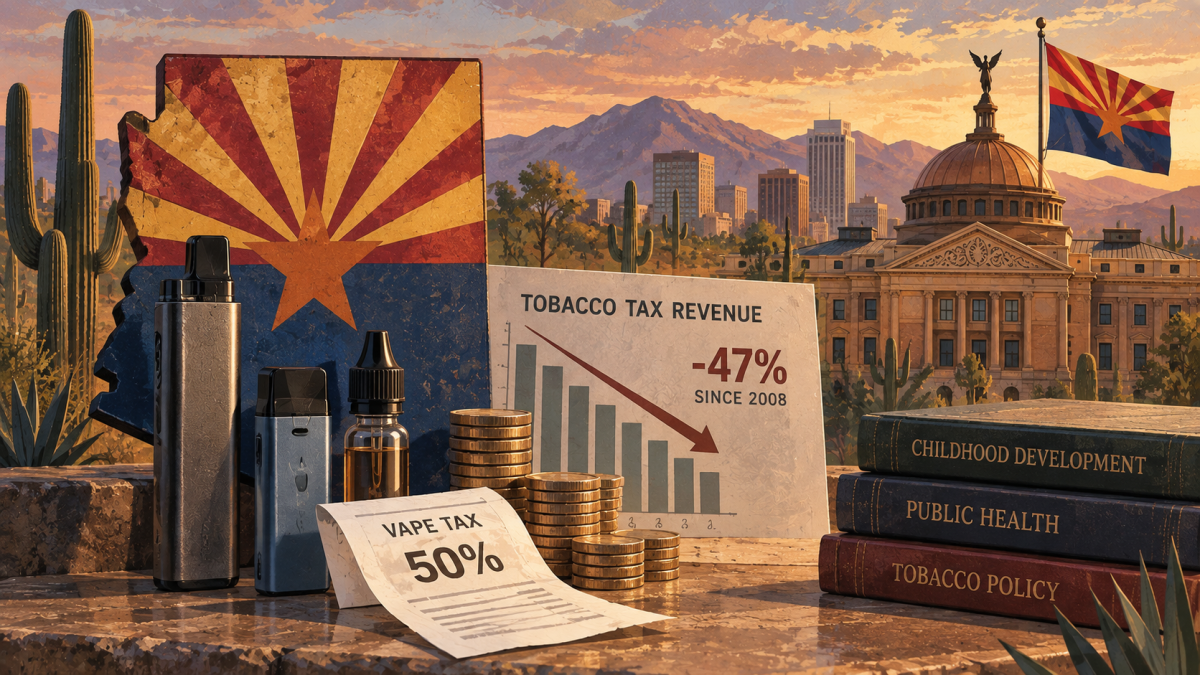
Arizona's First Things First is pushing for an excise tax equal to 50% of the retail price of vaping products, estimating that the measure could generate about $100 million annually. The agency says its tobacco-tax revenue has fallen 47% from 2008 levels. Arizona has attempted to broaden its nicotine tax base in each of the past two years: a 2025 bill proposed a 50% wholesale-price tax, while a 2026 measure shifted to a 50% retail-price tax covering alternative nicotine products and vapor products. Separately, the state enacted HB 4001 this year to establish a new licensing and sales framework for alternative nicotine products.
Sep.21
Australian Coalition Unveils Illicit Tobacco Plan With 80% Excise Cut and Legal, Taxed Vapes and Nicotine Pouches
Australia’s Coalition has unveiled a national illicit-tobacco policy that would cut tobacco excise by 80% and create legal, regulated and taxed adult markets for vaping products and nicotine pouches if it wins government. The plan proposes an excise of A$0.50 per millilitre of e-liquid and A$0.025 per milligram of nicotine in pouches, alongside A$200 million in additional enforcement and a A$60 million three-year public-awareness campaign. The Coalition says the package would narrow the price advantage of illicit products and undermine organised crime, while Labor and public-health groups warn that dramatically cheaper cigarettes could reverse long-term declines in smoking.
Sep.03
Yinghe-Controlled Vape Maker SKE Ordered to Post £569,039 Security as It Pursues Crystal Bar Design Infringement Case in UK
The UK High Court has ordered Chinese vape manufacturer Shenzhen SKE Technology to provide £569,039 ($776,000) in security for costs in its design infringement proceedings against Vapepen London and other defendants over its Crystal Bar vape product. The court did not accept the defendants’ main argument that recovering costs from a China-based company would face significant enforcement obstacles, but found that SKE had not sufficiently disclosed its own financial position. The order is procedural and does not determine the underlying infringement claims.
News
Aug.21
Trump Names Darrell Scott as CDC Tobacco Health Adviser, Citing Tobacco Risks and Harm-Reduction Solutions
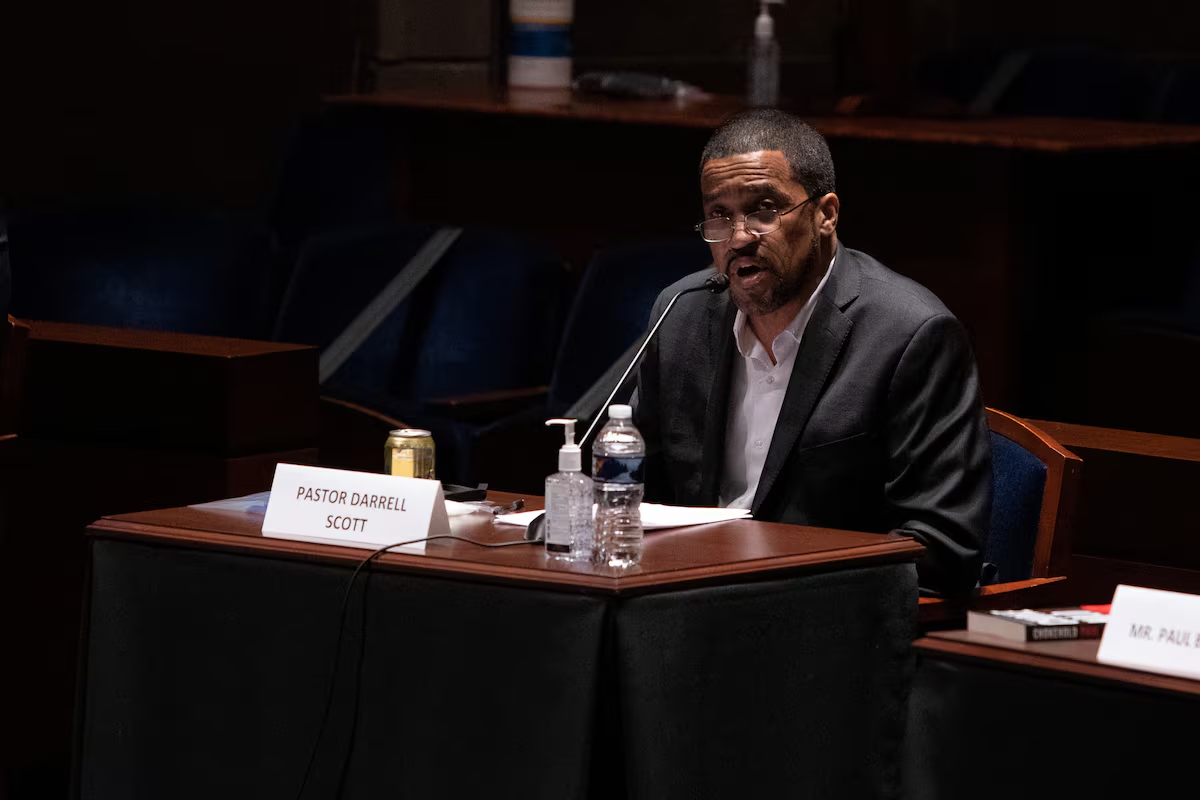
U.S. President Donald Trump has named Pastor Darrell Scott to serve as an adviser on tobacco health issues on the Centers for Disease Control and Prevention’s Advisory Committee to the Director. Trump said Scott would focus on the burden of tobacco-related disease and help examine ways to protect Americans from dangerous tobacco products while supporting solutions that reduce harm. Scott’s public career has largely centered on faith leadership, community advocacy and politics.
Sep.02
JUUL2 Sued Within a Week of FDA Authorization as AJ Marketing Alleges Infringement of Programmable Vape Patent
Less than a week after JUUL2 received U.S. FDA marketing authorization on August 28, 2026, JUUL Labs was sued for patent infringement in federal court in Delaware. AJ Marketing LLC filed the complaint on September 3, alleging that both JUUL 1 and JUUL2 infringe U.S. Patent No. 8,851,068 B2. The patent covers aspects of programmable electronic vaporization devices, including controls over dose delivery, usage frequency and operating parameters. The plaintiff is seeking reasonable royalties and ongoing royalties tied to the remaining life of the patent. JUUL has not yet publicly responded to the case.
Sep.10