Proposed Ban on Nicotine Products in Russia Faces Opposition

Regulations by 2FIRSTS.ai
Feb.01.2024
Proposed Ban on Nicotine Products in Russia Faces Opposition
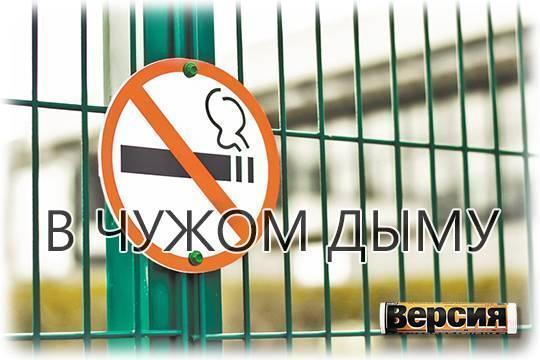
Russian State Duma representative Sultan Khamzayev proposes nationalizing the tobacco industry to regulate and ban nicotine product sales.

In January of this year, Sultan Khamzayev, a representative of the Russian State Duma, proposed looking to China's experience to regulate the tobacco industry through nationalization. He put forth a new proposal to ban the sale of nicotine products.


It is understood that the tobacco market in Russia is of significant size, with annual sales exceeding 1 trillion rubles. However, illegal trading is on the rise. Despite some international tobacco manufacturers claiming to withdraw from the Russian market, they still maintain a dominant position, particularly due to the close collaboration between tobacco manufacturers and the government. Several government officials have been implicated in connections with major tobacco companies. This raises opposition from powerful tobacco lobbyists to Sultan Khamzayev's new proposal in the tobacco industry.


Despite the strict anti-smoking legislation implemented in 2013, the enforcement of the law in Russia has been hindered by the intervention of tobacco industry interest groups. The government's swift decision to classify cigarettes as essential goods during the pandemic has raised questions about the level of coordination between the government and tobacco companies. The Tobacco Industry Development Committee continues to operate, with its chairman still being a representative from the tobacco industry. The powerful influence of tobacco companies may make it challenging for new proposals to garner widespread support at the governmental level.


There is a clear discrepancy between Hamzayev's appeal and the government's regulatory stance on the tobacco industry, particularly regarding the interests of foreign tobacco manufacturers. The influence of the tobacco industry may be the main obstacle impeding Russia from adopting a tougher stance on tobacco issues. In this situation, Hamzayev's proposal may require more social and political support to push for reforms in the Russian tobacco industry.


We welcome news tips, article submissions, interview requests, or comments on this piece.

Please contact us at info@2firsts.com, or reach out to Alan Zhao, CEO of 2Firsts, on LinkedIn


Notice

1.  This article is intended solely for professional research purposes related to industry, technology, and policy. Any references to brands or products are made purely for objective description and do not constitute any form of endorsement, recommendation, or promotion by 2Firsts.

2.  The use of nicotine-containing products — including, but not limited to, cigarettes, e-cigarettes, nicotine pouchand heated tobacco products — carries significant health risks. Users are responsible for complying with all applicable laws and regulations in their respective jurisdictions.

3.  This article is not intended to serve as the basis for any investment decisions or financial advice. 2Firsts assumes no direct or indirect liability for any inaccuracies or errors in the content.

4.  Access to this article is strictly prohibited for individuals below the legal age in their jurisdiction.


Copyright


This article is either an original work created by 2Firsts or a reproduction from third-party sources with proper attribution. All copyrights and usage rights belong to 2Firsts or the original content provider. Unauthorized reproduction, distribution, or any other form of unauthorized use by any individual or organization is strictly prohibited. Violators will be held legally accountable.

For copyright-related inquiries, please contact: info@2firsts.com


AI Assistance Disclaimer


This article may have been enhanced using AI tools to improve translation and editorial efficiency. However, due to technical limitations, inaccuracies may occur. Readers are encouraged to refer to the cited sources for the most accurate information.

We welcome any corrections or feedback. Please contact us at: info@2firsts.com

As FDA Reshapes PMTA Reviews and ENDS Enforcement Priorities, CTP Acting Director Bret Koplow to Keynote NATO Event for a Retail Network of 66,000-Plus Stores
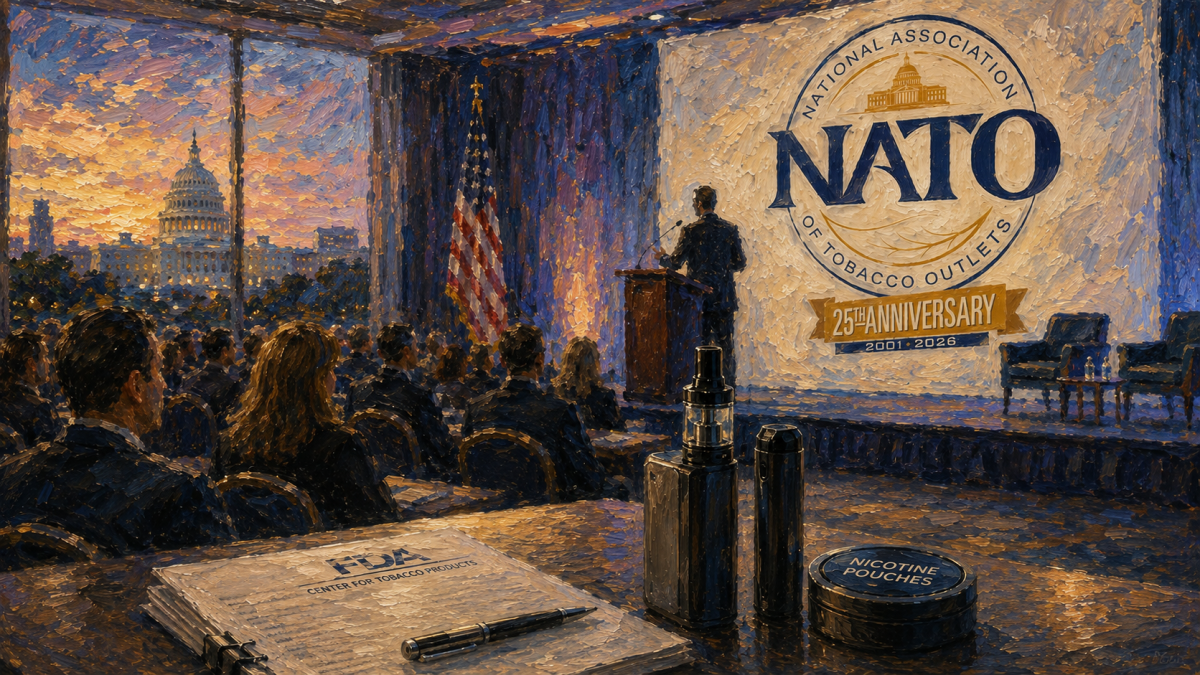
Bret Koplow, acting director of the U.S. Food and Drug Administration's Center for Tobacco Products, will deliver a keynote and participate in a fireside chat at the National Association of Tobacco Outlets' Sept. 29-30 conference in Washington. His appearance comes months after the FDA moved to accelerate PMTA reviews and introduced a more differentiated enforcement policy for certain unauthorized ENDS and oral nicotine pouch products. The agency also plans a public list identifying manufacturers and products it does not currently intend to prioritize for enforcement under the May guidance. NATO says its membership includes more than 66,000 retail stores, making product-status transparency and enforcement boundaries directly relevant to the retail sector.
Aug.14
RLX Technology Dropped From FTSE All-World as International Business Reaches 68.5% of Q2 Revenue
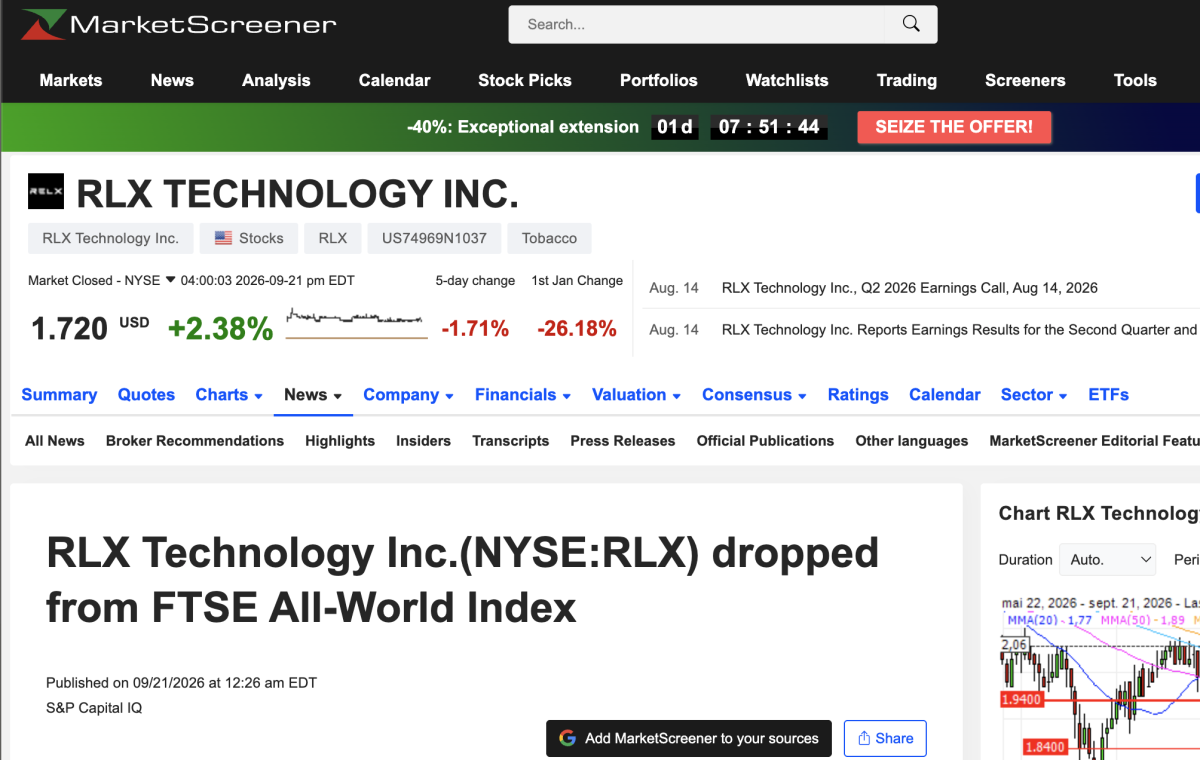
RLX Technology (NYSE: RLX) has been removed from the FTSE All-World Index, effective September 21. FTSE Russell records show RLX was already part of its global equity index universe by 2022, when its American depositary receipts were classified as China Large Cap securities. Trading volume rose to about 44.77 million shares on September 18, roughly 23 times the previous session's volume. RLX reported RMB1.0105 billion in second-quarter revenue, up 14.8% year over year, with international operations contributing 68.5%. The company also acquired a 51% stake in one of Western Europe's largest distributors of next-generation smoke-free and FMCG products in July.
Sep.22
China Tobacco Supply-Chain Leader Huabao’s Three-Way Transformation Takes Hold as Overseas Revenue Jumps 216%, Non-Flavor Businesses Reach 42.2% and the Company Expands Into Global Next-Generation Tobacco Supply Chains
Huabao’s H1 2026 results show the company advancing across three connected fronts: international expansion, entry into next-generation tobacco supply chains and diversification beyond its traditional tobacco-related base. Overseas revenue rose 216.08% to CNY 96.02 million, while non-flavor businesses reached 42.2% of total revenue. Huabao also said it had entered the supply chains of leading global tobacco customers, as its nutrition, food ingredient, fragrance and personal-care businesses gained ground in Europe, Southeast Asia, Australia and New Zealand. However, adjusted net profit increased only 2.78%, and next-generation tobacco revenue was not separately disclosed, showing that the transformation is reshaping revenue and customer exposure but has yet to translate fully into underlying earnings.
Aug.28
Product | SnowPlus Launches Nicotine-Free DASH in South Korea, Localising an Established Disposable Platform
SnowPlus has introduced a nicotine-free version of DASH in South Korea, adapting an existing overseas disposable platform for the local market. The Korean version retains the series’ flat duckbill-style mouthpiece, ceramic heating architecture and disposable form factor while reducing nicotine content to 0%. By comparison, the overseas DASH 4000 platform typically features 7.5ml of prefilled e-liquid, up to 4,000 puffs and a 530mAh rechargeable battery, with nicotine-containing variants available in some markets. The product update centers on formulation localisation rather than a new hardware generation.
Aug.31
EU Trade Department Faces Scrutiny Over Contacts With Tobacco Industry
European Ombudswoman Teresa Anjinho has opened an inquiry into how the European Commission’s Directorate-General for Trade handles interactions with the tobacco industry. The case follows a complaint from a civil society organisation that alleges regular, unnecessary and non-transparent contacts between DG TRADE and tobacco industry representatives, raising questions over compliance with the EU’s obligations under the WHO Framework Convention on Tobacco Control. The inquiry remains ongoing, and the Ombudswoman has not reached any finding of maladministration.
Aug.24
U.S. Customs Plan to Require Foreign Export Declarations Could Deal ‘Devastating’ Blow to China’s Vape Exports, Logistics gl Expert Says
A U.S. Customs and Border Protection proposal to collect foreign export declarations and other overseas customs documents could expose discrepancies in the value, classification and description of China-made vape shipments entering the United States. A veteran Chinese logistics professional told 2Firsts that the measure, if implemented, could undermine the all-inclusive shipping model used by some unauthorized vape exporters and push parts of the trade toward costlier underground channels. The risk extends beyond higher duties: accurately declared products may also be more readily identified as unauthorized e-cigarettes subject to FDA enforcement.
Special Report
Sep.07