According to a report published by KPMG Insurance and Consulting Services and ET Edge on May 1st, India is the second largest consumer of tobacco globally, with 27% of Indian adults having a tobacco consumption habit. The report highlights the need for a comprehensive roadmap focused on reducing tobacco-induced harm, with diverse and less harmful alternatives to help individuals quit smoking. It is estimated that by 2060, the annual number of deaths globally due to tobacco-related illnesses will decrease by 50%.
According to a report, tobacco-related diseases caused over 7 million deaths globally in 2019, with India accounting for 1.35 million of those deaths. The report also showed that 66% of respondents began smoking between the ages of 20-25. Due to lack of alternatives, 45% of respondents were unable to quit smoking or chewing tobacco. The report further stated that only 8% of tobacco consumed is in the form of legally produced cigarettes, with the remaining 92% being cheap tobacco products such as chewing tobacco and khaini. In major cities, stress, anxiety, and emotional distress were identified as the main reasons for smoking.
India faces a dilemma as it attempts to implement global tobacco control initiatives while also trying to support a large population of economically vulnerable smokers. On the other hand, reports suggest that India is also grappling with the dual challenge of smoking and smokeless tobacco abuse.
A report has pointed out that the impact of tobacco consumption on health and the economy is closely linked. According to the report, 25% of the male population surveyed in second and third-tier cities have health problems, with 29% of cases being severe; while in first-tier cities, 50% of male respondents mentioned having health problems, with 44% of cases being severe.
However, due to a lack of awareness of the dangers of tobacco and a lack of alternatives, 81% of male respondents with serious health issues in first-tier cities have not quit smoking. The report predicts that by 2030, 80% of tobacco-related deaths will occur in low- and middle-income countries. Additionally, in India, the early deaths and illnesses caused by tobacco use reduce the country's Gross Domestic Product by 1% annually. Therefore, India may need to adopt effective tobacco control policies to reduce harm and disease burden, as well as support people in quitting smoking.
India has already implemented strict regulations to control tobacco consumption and protect public health. The country has enacted tobacco control laws in line with the requirements of the World Health Organization, aiming to regulate the production, sale, and consumption of tobacco products, as well as protect non-smokers from the effects of secondhand smoke. In order to address the challenges posed by tobacco consumption, India has taken several measures, including testing harmful substances and ingredients in tobacco products.
Global policies and projects aimed at controlling tobacco use have been upgraded thanks to the participation of various countries. While many countries have complied with the World Health Organization's tobacco control convention, some countries have adopted tailored approaches. The report points out that in countries like Japan, the UK, New Zealand, and Sweden, where there are many less harmful alternatives available, the decline in smoking rates is greater than in countries like India, Australia, and Singapore, where access to less harmful alternatives is limited.
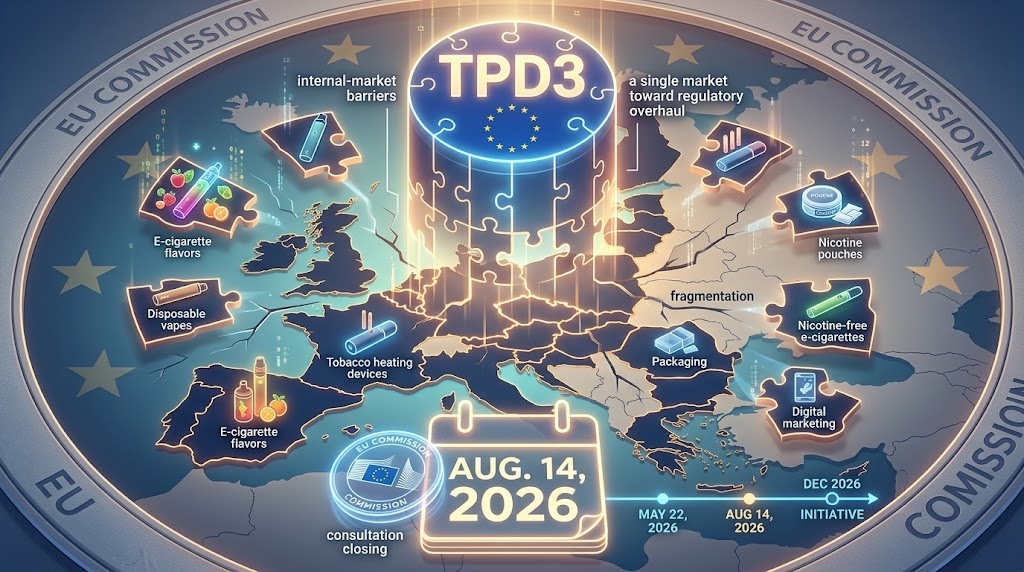
The report advocates for changing current practices and shifting towards "tobacco control 3.0," implementing evidence-based tobacco control solutions to achieve a healthier India. The report suggests encouraging those unwilling to quit smoking to switch to less harmful alternatives to reduce their overall health risks.
Increasing attention to making nicotine replacement therapy (NRT) more affordable and accessible can further support these individuals in quitting smoking. The report recommends law enforcement agencies develop and maintain comprehensive databases of tobacco product manufacturers and retailers, both on the market and unlisted. Furthermore, investment in technologies such as blockchain should be considered to track illegal trade of tobacco and other prohibited tobacco products.
The report also recommends investing in innovation funds to support research, data collection, and impact monitoring. Increasing investment in nationwide mass media campaigns and supporting targeted regional media to educate smokers, dispel misconceptions about tobacco use, and encourage them to support smoking cessation will also play a crucial role.
We welcome news tips, article submissions, interview requests, or comments on this piece.
Please contact us at info@2firsts.com, or reach out to Alan Zhao, CEO of 2Firsts, on LinkedIn
Notice
1. This article is intended solely for professional research purposes related to industry, technology, and policy. Any references to brands or products are made purely for objective description and do not constitute any form of endorsement, recommendation, or promotion by 2Firsts.
2. The use of nicotine-containing products — including, but not limited to, cigarettes, e-cigarettes, nicotine pouchand heated tobacco products — carries significant health risks. Users are responsible for complying with all applicable laws and regulations in their respective jurisdictions.
3. This article is not intended to serve as the basis for any investment decisions or financial advice. 2Firsts assumes no direct or indirect liability for any inaccuracies or errors in the content.
4. Access to this article is strictly prohibited for individuals below the legal age in their jurisdiction.
Copyright
This article is either an original work created by 2Firsts or a reproduction from third-party sources with proper attribution. All copyrights and usage rights belong to 2Firsts or the original content provider. Unauthorized reproduction, distribution, or any other form of unauthorized use by any individual or organization is strictly prohibited. Violators will be held legally accountable.
For copyright-related inquiries, please contact: info@2firsts.com
AI Assistance Disclaimer
This article may have been enhanced using AI tools to improve translation and editorial efficiency. However, due to technical limitations, inaccuracies may occur. Readers are encouraged to refer to the cited sources for the most accurate information.
We welcome any corrections or feedback. Please contact us at: info@2firsts.com