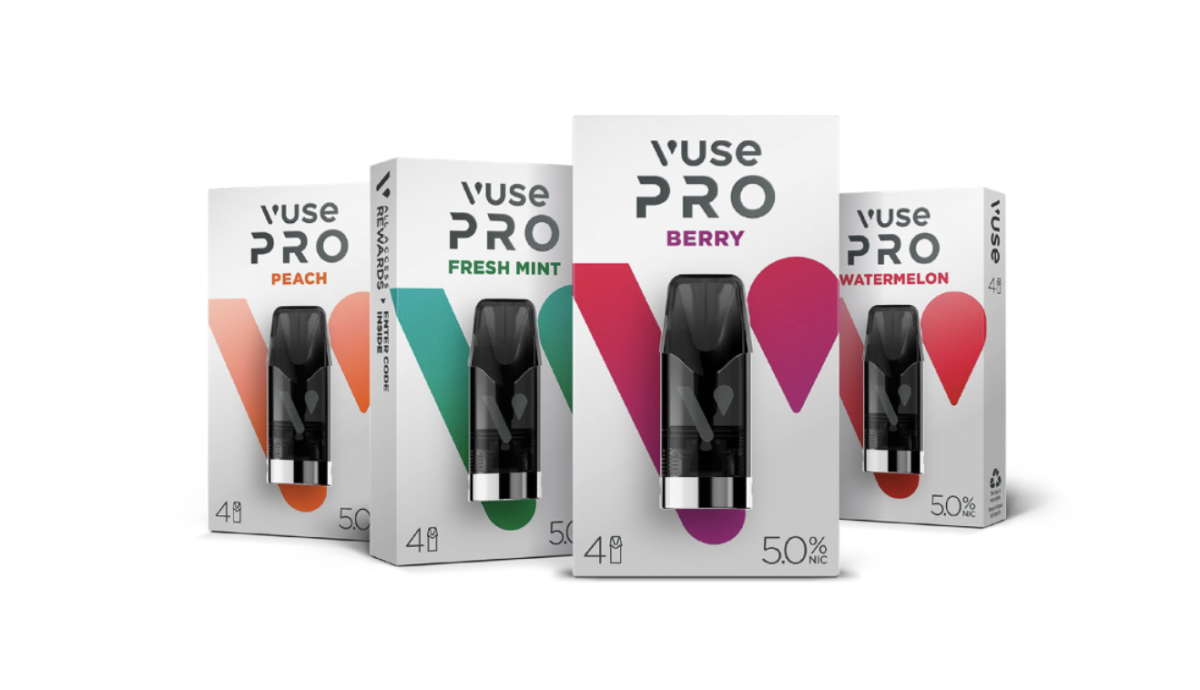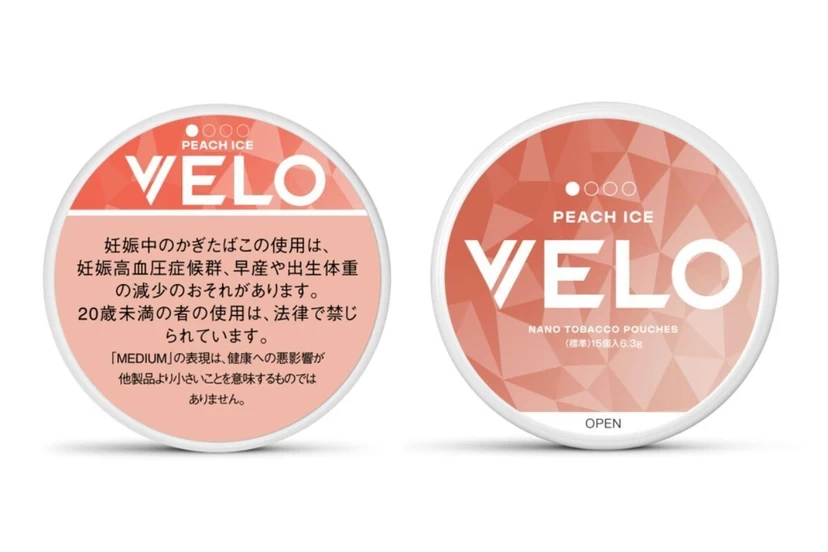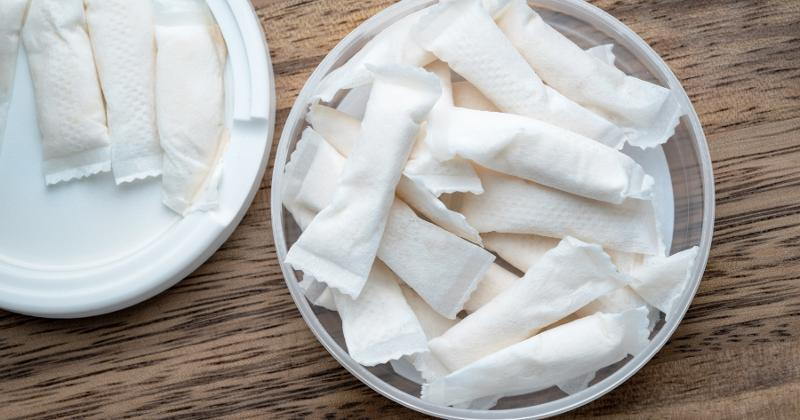
On September 30th, the Department of Trade and Industry (DTI) of the Philippines announced on its official website the implementation guidelines for Republic Act 11900 (RA11900), also known as the "Vaporized Nicotine and Non-Nicotine Products Regulation Act." The document specifies that the maximum nicotine content in vapor products should not exceed 65mg/ml, and the DTI, along with the Food and Drug Administration (FDA), will collaborate on setting technical standards for vaporized nicotine and non-nicotine products.
The revised content is as follows:
Product standards:
According to Section 18 of RA11900, the Office for Special Tasks on Vaping Products containing Nicotine and Non-Nicotine (OSMV) will work together with the Philippines FDA to formulate and release technical standards for products to ensure their compliance and safety. Vaping products with a nicotine content exceeding 65mg/ml are not allowed to be sold in the market. Compliance with these product standards is mandatory.
Product registration:
According to Article 19 of RA11900, all vapor products and novel tobacco products must be sold online through sellers or distributors registered with the DTI or Securities and Exchange Commission (SEC) to be sold through the internet or ecommerce platforms. Products sold and advertised online must comply with health warning requirements and other requirements of the Bureau of Internal Revenue (BIR), including tax stamps, minimum or floor prices, or other fiscal markings.
Online sales:
E-commerce platforms and social media sales facilities are only allowed to sell vaporized nicotine and non-nicotine products, their equipment, and novel tobacco products by distributors or retailers registered with the DTI and BIR.
Restrictions on sales and promotions around the school.
It is prohibited to sell, promote, advertise, or display vaporized nicotine and non-nicotine products or new tobacco products within 100 meters of schools.
Designated Smoking Area (DVA) standards:
The standard for the installation of a DVA has been established, requiring individuals or entities looking to install indoor DVAs in buildings and/or locations to first obtain approval from the OSMV.
Illegal products recalled, banned, or confiscated: OSMV can order the recall, prohibit, or seize from public sale or distribution any mist nicotine and non-nicotine products, their equipment, or new tobacco products that do not comply with RA11900, IRR, technical regulations, or their amendment provisions.
Establishment of the Special Task Office:
In order to specifically manage and oversee the taxation of vapor products, DTI has established the "Special Task Office for Vaporized Nicotine and Non-Nicotine Products (OSMV)". This agency will ensure that all vapor products on the market meet technical standards and are effectively taxed.
Online Brand List:
OSMV and BIR will maintain a monthly updated online list, listing brands of atomized nicotine or non-nicotine products, their devices, or new tobacco products eligible for online sale registered by DTI and BIR.
The revision aims to further strengthen the regulation of atomized products, heated tobacco products (HTP), and their equipment, ensuring that these products produced, sold, and distributed in the Philippines market meet international standards, safeguarding public health and safety, and ensuring that the government effectively collects relevant taxes.
The order will take immediate effect after being published in at least two widely circulated newspapers.
We welcome news tips, article submissions, interview requests, or comments on this piece.
Please contact us at info@2firsts.com, or reach out to Alan Zhao, CEO of 2Firsts, on LinkedIn
Notice
1. This article is intended solely for professional research purposes related to industry, technology, and policy. Any references to brands or products are made purely for objective description and do not constitute any form of endorsement, recommendation, or promotion by 2Firsts.
2. The use of nicotine-containing products — including, but not limited to, cigarettes, e-cigarettes, nicotine pouchand heated tobacco products — carries significant health risks. Users are responsible for complying with all applicable laws and regulations in their respective jurisdictions.
3. This article is not intended to serve as the basis for any investment decisions or financial advice. 2Firsts assumes no direct or indirect liability for any inaccuracies or errors in the content.
4. Access to this article is strictly prohibited for individuals below the legal age in their jurisdiction.
Copyright
This article is either an original work created by 2Firsts or a reproduction from third-party sources with proper attribution. All copyrights and usage rights belong to 2Firsts or the original content provider. Unauthorized reproduction, distribution, or any other form of unauthorized use by any individual or organization is strictly prohibited. Violators will be held legally accountable.
For copyright-related inquiries, please contact: info@2firsts.com
AI Assistance Disclaimer
This article may have been enhanced using AI tools to improve translation and editorial efficiency. However, due to technical limitations, inaccuracies may occur. Readers are encouraged to refer to the cited sources for the most accurate information.
We welcome any corrections or feedback. Please contact us at: info@2firsts.com