Russia's Astrakhan Proposes Ban on Nicotine-Containing E-cigarettes

Regulations by 2FIRSTS.ai
Jan.05.2024
Russia's Astrakhan Proposes Ban on Nicotine-Containing E-cigarettes
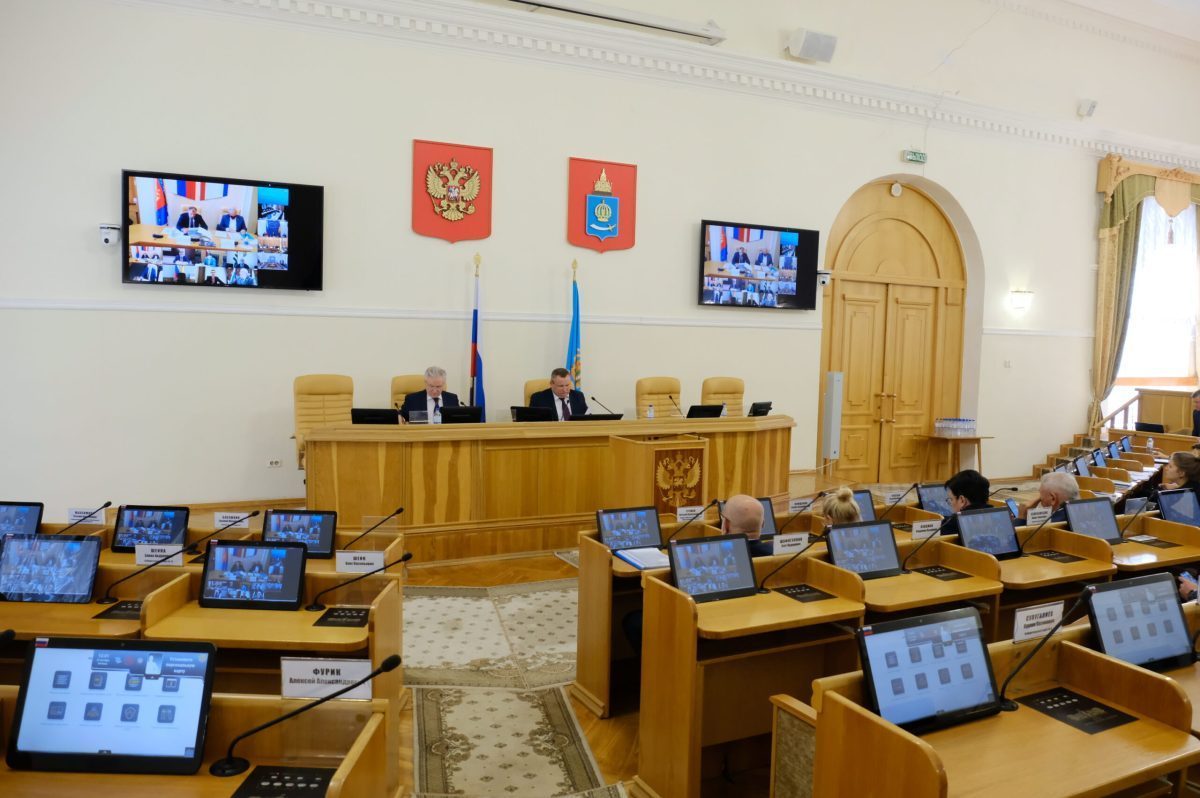
Russia's Astrakhan regional council proposes a complete ban on nicotine e-liquids and related devices, with support from the federal health ministry.

According to the Russian media outlet Astrakhan's report on January 4th, the regional council of Astrakhan, Russia, has proposed a complete ban on nicotine-containing cigarettes, nicotine e-liquids, and related smoking devices. The latest update reveals that the proposal has garnered support from the Russian Federal Ministry of Health.


The Russian Ministry of Health emphasized that the use of e-cigarettes will increase the risk of cardiovascular diseases, chronic lung diseases, and cancer. The likelihood of developing asthma will increase by 30%, while the risk of chronic obstructive pulmonary disease will increase by 75%.


In the Astrakhan region, all levels of government are actively combating harmful habits for young people. As early as the beginning of 2020, the local council passed a regional law prohibiting the sale of nicotine products to minors. In July of the same year, a nationwide law came into effect banning the sale of tobacco, nicotine products, hookah, and the use of tobacco or nicotine products by minors.


The chairman of the local council, Igor Martynov, has highlighted that despite measures being taken, the use of smoking alternatives such as e-cigarettes is still on the rise. As a result, local representatives have proposed a complete ban on e-cigarettes and vaping devices, aiming to safeguard children from the detrimental effects of harmful dependencies to the greatest extent possible.


Five years ago, the Russian government approved a policy framework aimed at combating the use of vaping and other nicotine-containing products by 2035. Last year, the government implemented a combination of measures to strengthen control over the production and distribution of nicotine e-liquid, which is used in nicotine consumption devices. According to the document, current laws require some amendments.


The sale of nicotine products aimed at minors has been prohibited in Russia. According to a statement from the Russian Ministry of Health, responding to the Astrakhan regional council, they expressed that "in the 'bundle of measures,' the sale of nicotine e-liquids and related devices should also be prohibited.


We welcome news tips, article submissions, interview requests, or comments on this piece.

Please contact us at info@2firsts.com, or reach out to Alan Zhao, CEO of 2Firsts, on LinkedIn


Notice

1.  This article is intended solely for professional research purposes related to industry, technology, and policy. Any references to brands or products are made purely for objective description and do not constitute any form of endorsement, recommendation, or promotion by 2Firsts.

2.  The use of nicotine-containing products — including, but not limited to, cigarettes, e-cigarettes, nicotine pouchand heated tobacco products — carries significant health risks. Users are responsible for complying with all applicable laws and regulations in their respective jurisdictions.

3.  This article is not intended to serve as the basis for any investment decisions or financial advice. 2Firsts assumes no direct or indirect liability for any inaccuracies or errors in the content.

4.  Access to this article is strictly prohibited for individuals below the legal age in their jurisdiction.


Copyright


This article is either an original work created by 2Firsts or a reproduction from third-party sources with proper attribution. All copyrights and usage rights belong to 2Firsts or the original content provider. Unauthorized reproduction, distribution, or any other form of unauthorized use by any individual or organization is strictly prohibited. Violators will be held legally accountable.

For copyright-related inquiries, please contact: info@2firsts.com


AI Assistance Disclaimer


This article may have been enhanced using AI tools to improve translation and editorial efficiency. However, due to technical limitations, inaccuracies may occur. Readers are encouraged to refer to the cited sources for the most accurate information.

We welcome any corrections or feedback. Please contact us at: info@2firsts.com

ATF Cancels Webloc Contract, Raising Questions Over Commercial Location Data in Enforcement
The U.S. Bureau of Alcohol, Tobacco, Firearms and Explosives (ATF) has stopped using Webloc, a commercial phone-tracking tool, after lawmakers, a prosecutor and a judge raised legal and privacy concerns over warrantless use of ad-tech location data, a development that may affect data-use boundaries in U.S. enforcement against illicit tobacco, nicotine products and cross-border distribution networks.
Jun.29
Australia’s Daily Smoking Rate Falls to Record Low of 5.8% as Nicotine Use Patterns Shift
According to the Australian Institute of Health and Welfare’s National Drug Strategy Household Survey, daily smoking among Australians aged 18 and over fell to a record low of 5.8% in 2025. Health Minister Mark Butler said Australia now has around 500,000 fewer daily smokers than three years ago and credited the government’s vaping reforms as part of broader progress. Among people aged 14 and over, daily smoking declined from 8.3% in 2022-23 to 5.6% in 2025. Daily vaping rates stabilised at 3.6%, while the government also moved to further restrict access to nicotine pouches through unapproved therapeutic import pathways.
Jul.21
China Tobacco International HK Warns First-Half Revenue May Fall 25%-30%, Tobacco Leaf and Duty-Free Exposure Highlight Reliance on Traditional Tobacco
CTIHK expects first-half 2026 revenue to fall 25%-30%, mainly due to lower tobacco leaf imports and delayed cigarette shipments to China’s domestic duty-free market. Its 2025 revenue mix—nearly 90% from tobacco leaf-related businesses and less than 1% from new tobacco products—shows continued exposure to traditional supply chains and trade variables.
Jun.18
FIFA Bans Vaping in 2026 World Cup Stadiums, Putting Nicotine Rules in Event Compliance Focus
FIFA’s 2026 World Cup stadium rules prohibit smoking, vaping and the use of any tobacco products or electronic smoking devices inside stadiums, including inner and outer perimeters, while electronic smoking devices, tobacco products, lighters and matches are listed as prohibited items, bringing nicotine-product management, venue compliance and cross-border legal differences into focus at a major global sporting event.
Jul.06
Italy and Greece Oppose Ireland’s Nicotine Product Bill, Raising EU Regulatory Concerns
Italy and Greece have opposed Ireland’s proposed nicotine product regulations, arguing that the measures could affect EU market coordination and the free movement of products. Ireland plans to introduce stricter rules covering nicotine products including vapes and nicotine pouches, with measures involving packaging, marketing and sales controls. The dispute highlights differences among EU member states between stronger public health protections and maintaining regulatory consistency within the bloc’s single market.
Jul.29
Spain Plans to Extend Smoking Ban to Terraces and Beaches, Bringing Vapes Under New Restrictions
Spain is advancing a new tobacco-control reform that would expand smoking restrictions to additional public spaces, including restaurant terraces and beaches, while bringing vaping and other nicotine products into the same regulatory framework. The proposed measures aim to reduce secondhand smoke exposure, protect young people and expand smoke-free environments. The proposal remains under legislative development, and final implementation details have not yet been confirmed.
Jul.23