Key points:
- The South Korean parliament is advancing revisions to the tobacco law, which will now cover synthetic nicotine products.
- The bill is expected to increase tax revenue by approximately $630 million, but faces challenges in regulating "nicotine-like" products.
- The South Korean Deputy Prime Minister stated that a decision on regulating "nicotine-like" products will be made after verifying their impact on health.
2Firsts, October 15, 2025 - According to reports from Korean Financial News, the Ministry of Planning and Finance in South Korea has announced the passing of an amendment to the Tobacco Business Act, which will tax and regulate synthetic nicotine products, including e-cigarette e-liquid.
The amendment is expected to bring in an additional 930 billion Korean won (approximately $6.3 billion USD) in revenue. However, concerns have been raised about the proliferation of "nicotine-like products" being used to circumvent regulations on synthetic nicotine, prompting discussions about the need for further regulation.
Park Seong-hun, a member of the National Power Party, mentioned that the amendment to the Tobacco Business Act was approved last month by the Strategic Finance Committee, which defines products made from nicotine as tobacco and thus subject to regulation, including e-cigarette e-liquid. The amendment is currently under review by the National Assembly's Legislation and Judiciary Committee, with a final vote expected to be held in a plenary meeting.
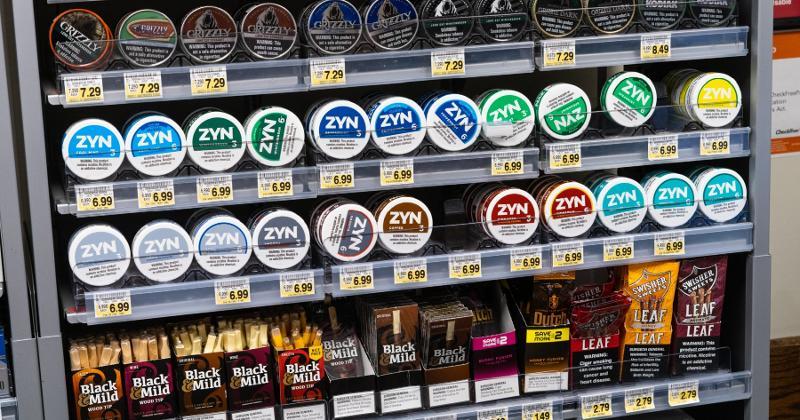
However, the tobacco industry is turning towards "nicotine-like" products.
Deputy Prime Minister and Minister of Strategic Finance Ju Yunzhe stated: "The harm of 'tobacco-like substances' to the human body has not yet been confirmed."
He added, "Therefore, if verified, these products can be considered as cigarettes, and I believe we should consider whether to tax or regulate them."
A bill regulating nicotine-like substances has been submitted to Congress for review, expanding the definition of "cigarettes" from tobacco and synthetic nicotine to include: nicotine-like substances and cigarettes made from chemical materials. In addition, the amendment also includes a clause prohibiting the misleading labeling and advertising of non-tobacco products as cigarettes.
Image source: Korean Financial News
We welcome news tips, article submissions, interview requests, or comments on this piece.
Please contact us at info@2firsts.com, or reach out to Alan Zhao, CEO of 2Firsts, on LinkedIn
Notice
1. This article is intended solely for professional research purposes related to industry, technology, and policy. Any references to brands or products are made purely for objective description and do not constitute any form of endorsement, recommendation, or promotion by 2Firsts.
2. The use of nicotine-containing products — including, but not limited to, cigarettes, e-cigarettes, nicotine pouchand heated tobacco products — carries significant health risks. Users are responsible for complying with all applicable laws and regulations in their respective jurisdictions.
3. This article is not intended to serve as the basis for any investment decisions or financial advice. 2Firsts assumes no direct or indirect liability for any inaccuracies or errors in the content.
4. Access to this article is strictly prohibited for individuals below the legal age in their jurisdiction.
Copyright
This article is either an original work created by 2Firsts or a reproduction from third-party sources with proper attribution. All copyrights and usage rights belong to 2Firsts or the original content provider. Unauthorized reproduction, distribution, or any other form of unauthorized use by any individual or organization is strictly prohibited. Violators will be held legally accountable.
For copyright-related inquiries, please contact: info@2firsts.com
AI Assistance Disclaimer
This article may have been enhanced using AI tools to improve translation and editorial efficiency. However, due to technical limitations, inaccuracies may occur. Readers are encouraged to refer to the cited sources for the most accurate information.
We welcome any corrections or feedback. Please contact us at: info@2firsts.com