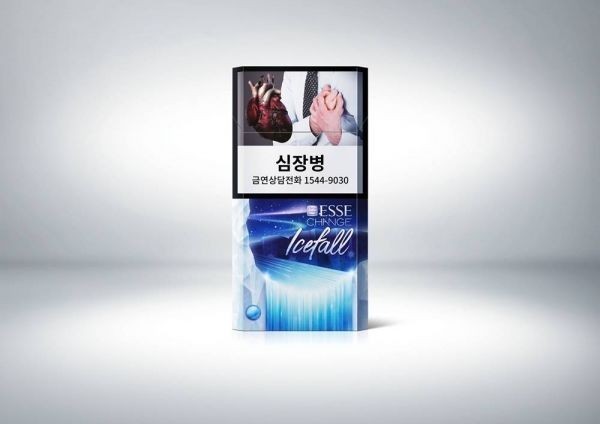
South Korean Tobacco Company KT&G to Halt "ESSE Change Icefall"

Business by 2FIRSTS.ai
Jun.21.2024
South Korean Tobacco Company KT&G to Halt "ESSE Change Icefall"
South Korean tobacco company KT&G to halt supply of ESSE Change Icefall due to declining sales, favoring e-cigarettes.

According to a report by N.News on June 21, the South Korean tobacco company KT&G plans to stop supplying the ultra-thin cigarette "ESSE Change Icefall" that has been on sale since March of last year.


The company has announced that the product will suspend supply to convenience stores starting from mid-month. It is reported that this decision to halt production is based on improving portfolio efficiency.


This strategy has emerged due to the declining sales of traditional cigarettes domestically, while the popularity of e-cigarettes is on the rise. According to data from the Ministry of Finance, as of last year, sales of cigarette-shaped e-cigarettes increased by 12.6% compared to the previous year, reaching 610 million packs. This data indicates a clear preference among consumers for cigarette-shaped e-cigarettes.


In the overall market, the market share of cigarette-style e-cigarettes has also increased to 16.8%, a 2% increase from the previous year.


On the contrary, sales of traditional cigarettes have been gradually decreasing since reaching a peak of 3.447 billion packs in 2017, dropping to 3.023 billion packs last year.


We welcome news tips, article submissions, interview requests, or comments on this piece.

Please contact us at info@2firsts.com, or reach out to Alan Zhao, CEO of 2Firsts, on LinkedIn


Notice

1.  This article is intended solely for professional research purposes related to industry, technology, and policy. Any references to brands or products are made purely for objective description and do not constitute any form of endorsement, recommendation, or promotion by 2Firsts.

2.  The use of nicotine-containing products — including, but not limited to, cigarettes, e-cigarettes, nicotine pouchand heated tobacco products — carries significant health risks. Users are responsible for complying with all applicable laws and regulations in their respective jurisdictions.

3.  This article is not intended to serve as the basis for any investment decisions or financial advice. 2Firsts assumes no direct or indirect liability for any inaccuracies or errors in the content.

4.  Access to this article is strictly prohibited for individuals below the legal age in their jurisdiction.


Copyright


This article is either an original work created by 2Firsts or a reproduction from third-party sources with proper attribution. All copyrights and usage rights belong to 2Firsts or the original content provider. Unauthorized reproduction, distribution, or any other form of unauthorized use by any individual or organization is strictly prohibited. Violators will be held legally accountable.

For copyright-related inquiries, please contact: info@2firsts.com


AI Assistance Disclaimer


This article may have been enhanced using AI tools to improve translation and editorial efficiency. However, due to technical limitations, inaccuracies may occur. Readers are encouraged to refer to the cited sources for the most accurate information.

We welcome any corrections or feedback. Please contact us at: info@2firsts.com

U.S. Military Could Test Nicotine Pouches and Vapes for Smoking Cessation as Washington Examiner Cites ZYN and Potential $4 Billion Reduction in Related Defense Costs
The House-passed FY2027 National Defense Authorization Act includes a provision authorizing the defense secretary to conduct a one-year smoking-cessation pilot for active-duty service members. Section 707 lists counseling, nicotine gum and patches alongside what the bill calls "electric nicotine delivery systems," nicotine pouches and heat-not-burn products. A recent Washington Examiner op-ed cited ZYN as an example in arguing for the provision, but the legislation does not name any commercial brand or supplier. ZYN is made by PMI-owned Swedish Match USA, with specified products holding FDA marketing authorizations and modified risk orders.
Sep.20
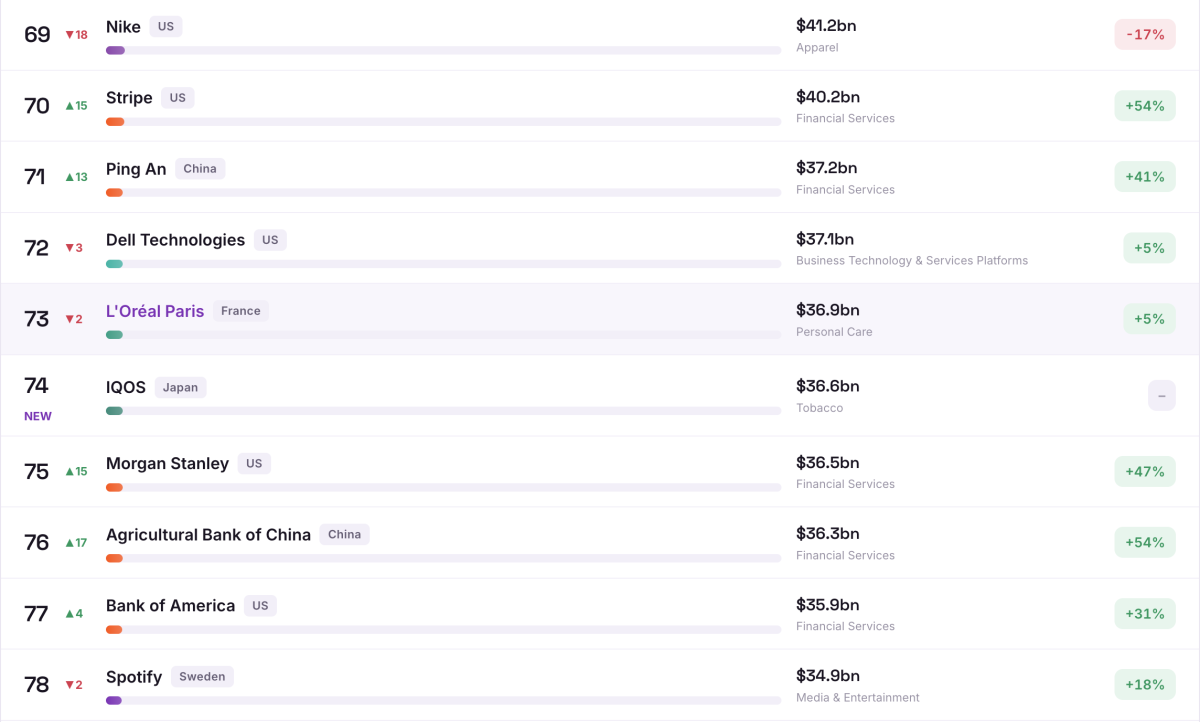
IQOS Enters Kantar BrandZ Global Top 100 for First Time, Valued at $36.6 Billion and Ranked No. 74
Philip Morris International’s IQOS has entered the Kantar BrandZ Top 100 Most Valuable Global Brands for the first time, ranking No. 74 with a brand value of $36.634 billion and becoming one of only three newcomers to the 2026 ranking. Kantar said the combined value of the Global Top 100 reached $13.1 trillion, up 22% year on year, while the threshold for entry rose to a record high. PMI says IQOS has more than 35 million users worldwide and surpassed $10 billion in annual net revenues within a decade of launch.
Sep.03
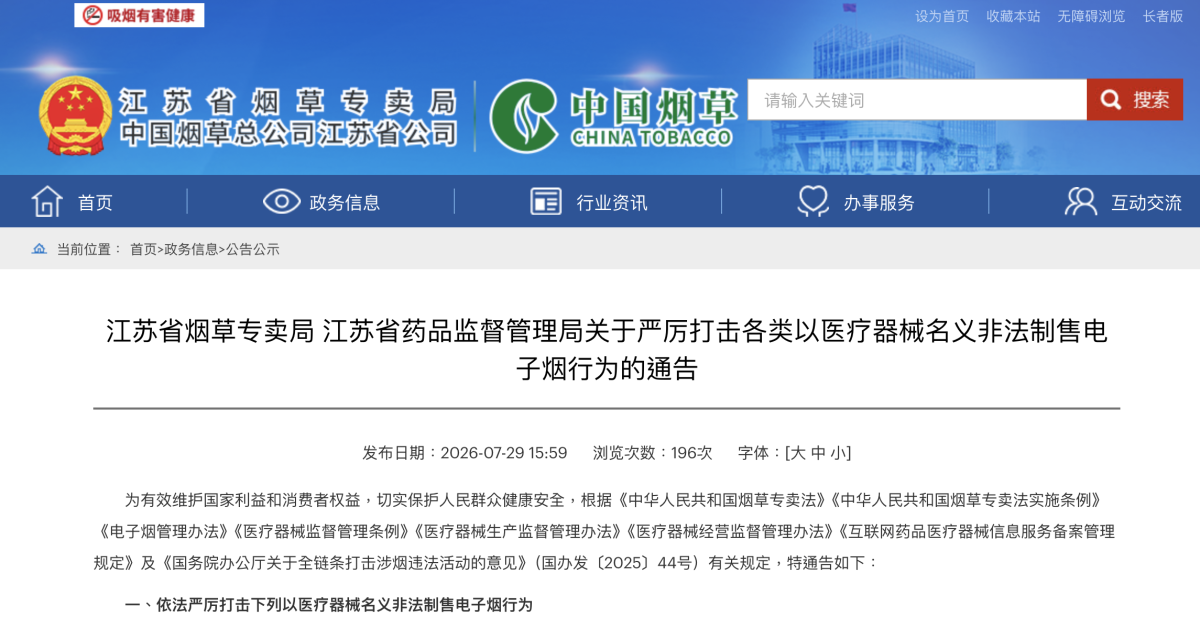
China’s Jiangsu Tobacco Monopoly Bureau and Drug Regulator Target Illegal Vape Sales Disguised as Medical Devices, Define Six Violations
China’s Jiangsu Tobacco Monopoly Bureau and Jiangsu Provincial Medical Products Administration have issued a joint notice targeting illegal production and sales of vape products disguised as medical devices. The notice identifies six categories of violations, including obtaining medical licenses through false materials, misusing medical device credentials, expanding production beyond approved scopes, and using medical device-related online platforms to promote or sell vape products. The action is based on China’s tobacco and medical device regulations and aims to strengthen vape oversight and consumer protection.
Aug.04
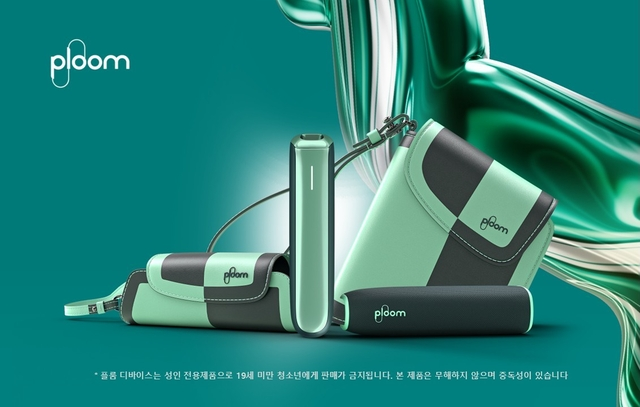
Product | JTI Launches Ploom AURA Teal Electric Pop in South Korea, Its First Dual-Color Edition
JTI Korea launched the Ploom AURA Teal Electric Pop limited edition in South Korea on September 1, 2026, marking the first dual-color design in the Ploom AURA range. The device combines a dark green body with teal accents and is accompanied by matching Front Panel, Back Cover and Pocket Bag accessories. The standalone device is priced at KRW 29,000, with three additional device-and-accessory bundles available. The release continues JTI Korea's use of limited colorways and interchangeable accessories to expand the Ploom AURA portfolio without introducing a new hardware platform.
Sep.03
Australia Brings in Deloitte to Support Illicit Tobacco and Vape Enforcement Across Data, Processes and Project Delivery
Australia’s Department of Home Affairs has hired Deloitte to provide data analytics, business-process, communications and project-delivery support to the Office of the Illicit Tobacco and E-Cigarette Commissioner. The government says Deloitte personnel do not provide policy advice to the Commissioner or the Australian government, with policy development and decision-making remaining with public officials. The arrangement has nevertheless drawn scrutiny because Deloitte has previously provided professional services to several tobacco and vaping companies.
Sep.03
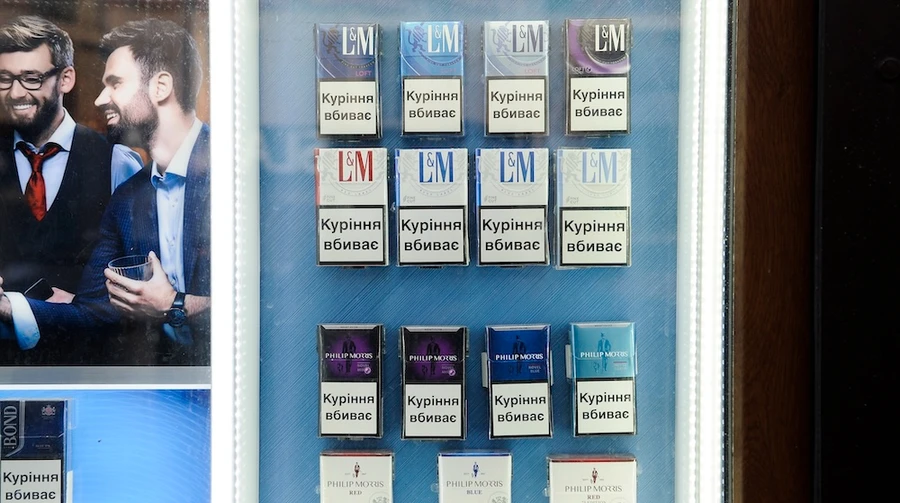
Russian Strikes Destroy JTI and Imperial Brands Ukraine Warehouses, With Losses Reaching Tens of Millions of Hryvnias
According to Ukrainska Pravda, Russian strikes on the Kyiv region during the night of Aug. 4-5, 2026, damaged warehouses storing products of Japan Tobacco International (JTI) and Imperial Brands Ukraine. JTI said a finished goods warehouse in Kyiv Oblast was destroyed, with no employees injured, and that it did not expect disruptions to retail supplies. Imperial Brands Ukraine said products stored at warehouses of distributors and retail partners were affected and estimated losses from the strikes at “tens of millions of Ukrainian hryvnias” (roughly hundreds of thousands of U.S. dollars).
JTI
Aug.07