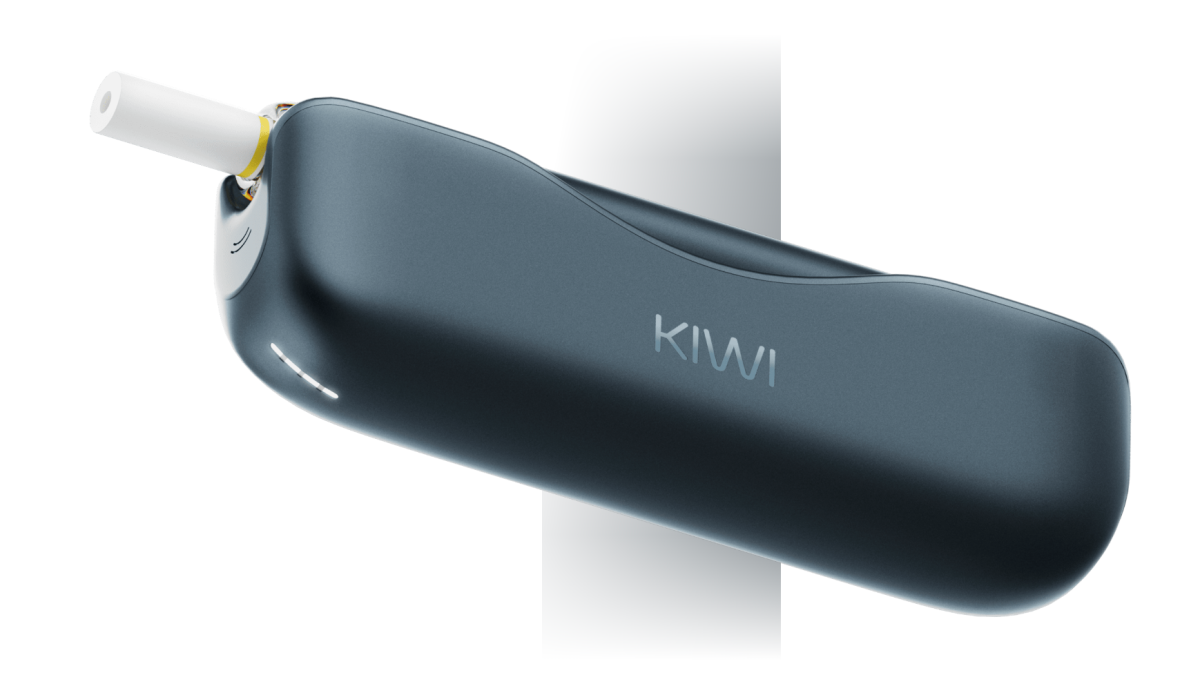
Many anti-e-cigarette advocates believe that e-cigarettes may serve as a gateway to smoking. A study titled "Smoking Intentions and Progression from e-Cigarette Use to Smoking" claims that the use of e-cigarettes among adolescents who had no prior intention to smoke is associated with an increased risk of future smoking.
Currently, research is being conducted to measure the gateway effect by examining the relationship between electronic cigarette use and overall smoking rates among young people, including non-smokers. If there is indeed a gateway effect, then the change in smoking rates among those who are associated with smoking should increase in tandem with the use of electronic cigarettes. However, the authors of the study found no statistically significant correlation between the use of electronic cigarettes and regular smoking among participants aged 16 to 24.
These research findings indicate that we can rule out the previously reported large gateway effect, especially in the 18 to 24 age group. However, we cannot rule out smaller gateway effects, and we have not studied younger age groups. If the estimates are correct, we estimate that around 7,000 out of 74,000 16 to 17-year-old e-cigarette users in England will become regular cigarette smokers due to e-cigarette use. At the same time, an estimated 50,000 smokers quit smoking each year due to e-cigarette use," said lead researcher Dr. Emma Beard.
In countries and regions where e-cigarettes are recognized, there is no evidence that they are creating a gateway effect.
According to the findings of these investigations, countries such as the UK and New Zealand, which support the use of e-cigarettes as a means of quitting smoking, not only report low smoking rates, but also do not have an increased proportion of teenagers using e-cigarettes. Reports from these countries are consistent with previous studies on these patterns, and a recent article titled "Does the Gateway Theory Justify the Prohibition of Nicotine E-Cigarettes in Australia?" has once again refuted the gateway theory.
Comment authors Colin Mendelsohn and Wayne Hall point out that a more reasonable explanation as to why young people who vape are more likely to smoke is attributed to personality factors. This means that teenagers who vape are more likely to be risk-takers, and therefore more prone to smoking, drinking alcohol, using cannabis and other substances, as well as engaging in unprotected sex. This argument has been emphasized by other experts in several studies.
The major findings reviewed by Mendelsohn and Hall are as follows:
Smoking usually precedes the use of electronic cigarettes. At least 70-85% of teenage smokers try using electronic cigarettes after starting to smoke. Most teenage electronic cigarette users are experimental and regular use of electronic cigarettes among non-smokers is rare. In Australia and international surveys, the proportion of non-smokers who regularly use electronic cigarettes is usually 1% or less. Many teenage electronic cigarette users only use flavorings and do not use nicotine. Nicotine addiction is rare among electronic cigarette users who do not smoke. In the United States, less than 4% of non-smoking youth who use electronic cigarettes have symptoms of nicotine dependence. Some teenagers use electronic cigarettes to quit smoking. Since the introduction of electronic cigarettes, teenage smoking rates have declined rapidly in the United Kingdom and the United States, making it unlikely that electronic cigarettes will increase teenage smoking. Electronic cigarettes are more likely to steer some high-risk teenagers away from smoking and towards safer alternatives.
Statement:
This article is compiled based on third-party information and is intended for industry professionals to exchange and learn from.
This article does not represent the views of 2FIRSTS, and 2FIRSTS cannot confirm the authenticity or accuracy of the content. The compilation of this article is only intended for communication and research within the industry.
Due to limitations in translation ability, the translated article may not fully express the same meaning as the original text. Therefore, please refer to the original text for accuracy.
Regarding any domestic, Hong Kong, Macau, Taiwan, or foreign-related statements and positions, 2FIRSTS fully aligns with the Chinese government.
The copyright of compiled information belongs to the original media and author. If there is any infringement, please contact us for deletion.
Disclaimer
This article is provided solely for professional research, industry discussion, and informational purposes. Any references to brands, companies, products, technologies, or policies are made for factual reporting and analytical purposes only, and do not constitute endorsement, recommendation, promotion, or advertising by 2Firsts.
Nicotine-containing products, including but not limited to cigarettes, e-cigarettes, heated tobacco products, and nicotine pouches, carry significant health risks. Readers are responsible for complying with all applicable laws and regulations in their respective jurisdictions, including age restrictions and access limitations.
The information contained in this article should not be regarded as investment, legal, medical, regulatory, or commercial advice. While 2Firsts strives to ensure the accuracy and reliability of its content, it does not assume liability for any direct or indirect loss arising from errors, omissions, inaccuracies, or reliance on the information contained herein.
This article is not intended for individuals below the legal age for accessing tobacco or nicotine-related information in their jurisdiction.
Copyright Notice
This article is either original content produced by 2Firsts or content reproduced, translated, summarized, or adapted from third-party sources with attribution where applicable. The intellectual property rights of the original content remain with 2Firsts or the respective original rights holders.
No individual or organization may copy, reproduce, distribute, republish, modify, translate, or otherwise use this content without prior authorization. Any unauthorized use may result in legal action.
For copyright-related inquiries, corrections, or removal requests, please contact: info@2firsts.com.
AI-Assisted Translation and Editing Notice
Portions of this article may have been translated, edited, or reviewed with the assistance of artificial intelligence tools to improve efficiency and readability. Due to the limitations of AI-assisted translation and editing, discrepancies, omissions, or inaccuracies may exist when compared with the original source.
Where applicable, readers are advised to refer to the original source for the most complete and accurate information. If you identify any errors or believe that any content infringes upon your rights, please contact us at info@2firsts.com, and we will review and address the matter promptly.