Teen Survey Shows High Usage of E-Cigarettes in Poland

Market by 2FIRSTS.ai
May.31.2024
Teen Survey Shows High Usage of E-Cigarettes in Poland
A recent survey conducted by the Health and Democracy Institute for the Polish Society for Medical Advancements reveals alarming youth nicotine use.

According to Dziennikpolski24, a survey conducted by the Institute of Health and Democracy, part of the IQS Think Forward group, for the Polish Association for Medical Progress 'MEDYCYNA XXI', revealed that nearly one third of Polish students aged 16-17 have been exposed to nicotine. Of those students, 78.1% regularly use e-cigarettes, with the most popular flavors being sweet and fruity.


The survey results found that the most commonly used nicotine products among teenagers are e-cigarettes (57.78%) and traditional cigarettes (40.95%). Only a small percentage of teenagers come into contact with nicotine through heated tobacco (0.89%) and other nicotine products (0.36%).


75% of students admit to trying nicotine before the age of 15. Among the reasons for trying nicotine, 66.7% of students said they were attracted to the taste, 50.2% said they wanted to try something new, and 12% said they were influenced by peers. 87% of teenagers who use e-cigarettes prefer fruit or candy flavored e-cigarettes.


Despite the Polish Ministry of Health planning to ban the sale of mint-flavored heated tobacco, only 1.5% of adults are using this product, compared to 7.4% of students, which is much lower than the students using fruit-flavored e-cigarettes.


The Polish Minister of Health, Izabela Leszczyna, is deeply concerned about minors getting hooked on flavored e-cigarettes. As early as February this year, the Polish government announced plans to ban the sale of e-cigarettes before the summer vacation, but so far, no legislation has been enacted to prohibit the sale of flavored disposable e-cigarettes.


We welcome news tips, article submissions, interview requests, or comments on this piece.

Please contact us at info@2firsts.com, or reach out to Alan Zhao, CEO of 2Firsts, on LinkedIn


Notice

1.  This article is intended solely for professional research purposes related to industry, technology, and policy. Any references to brands or products are made purely for objective description and do not constitute any form of endorsement, recommendation, or promotion by 2Firsts.

2.  The use of nicotine-containing products — including, but not limited to, cigarettes, e-cigarettes, nicotine pouchand heated tobacco products — carries significant health risks. Users are responsible for complying with all applicable laws and regulations in their respective jurisdictions.

3.  This article is not intended to serve as the basis for any investment decisions or financial advice. 2Firsts assumes no direct or indirect liability for any inaccuracies or errors in the content.

4.  Access to this article is strictly prohibited for individuals below the legal age in their jurisdiction.


Copyright


This article is either an original work created by 2Firsts or a reproduction from third-party sources with proper attribution. All copyrights and usage rights belong to 2Firsts or the original content provider. Unauthorized reproduction, distribution, or any other form of unauthorized use by any individual or organization is strictly prohibited. Violators will be held legally accountable.

For copyright-related inquiries, please contact: info@2firsts.com


AI Assistance Disclaimer


This article may have been enhanced using AI tools to improve translation and editorial efficiency. However, due to technical limitations, inaccuracies may occur. Readers are encouraged to refer to the cited sources for the most accurate information.

We welcome any corrections or feedback. Please contact us at: info@2firsts.com

Retail Case Study | Wisconsin Vape Market One Year After New Regulations: Johnny Vapes Reports 80% Sales Decline as Consumers Shift Online and Across State Lines
According to WNCY on August 24, 2026, some independent vape retailers in Wisconsin say they have faced significant business pressure one year after new vape regulations took effect. Johnny Vapes, a retailer operating in northeast Wisconsin, said its store count fell from seven locations to four, sales declined by about 80%, and roughly 90% of its inventory was affected. Retailers said some consumers have shifted to online purchases or traveled to neighboring Michigan to buy vape products. The case highlights how local regulations can reshape retail operations, inventory management and consumer purchasing patterns.
Aug.28
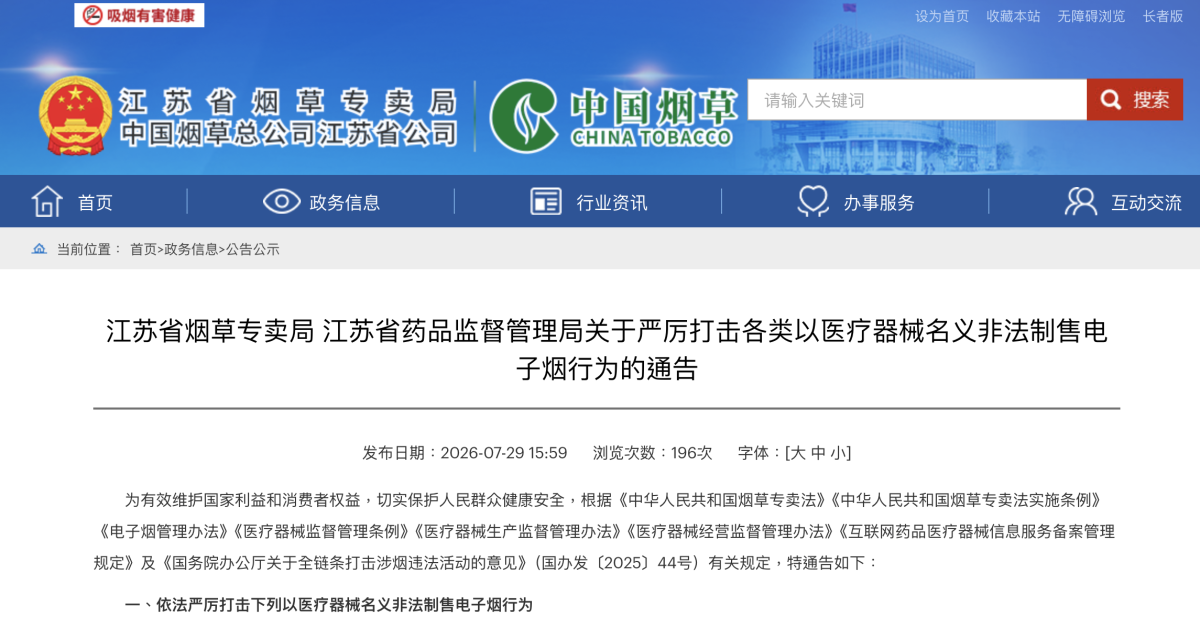
China’s Jiangsu Tobacco Monopoly Bureau and Drug Regulator Target Illegal Vape Sales Disguised as Medical Devices, Define Six Violations
China’s Jiangsu Tobacco Monopoly Bureau and Jiangsu Provincial Medical Products Administration have issued a joint notice targeting illegal production and sales of vape products disguised as medical devices. The notice identifies six categories of violations, including obtaining medical licenses through false materials, misusing medical device credentials, expanding production beyond approved scopes, and using medical device-related online platforms to promote or sell vape products. The action is based on China’s tobacco and medical device regulations and aims to strengthen vape oversight and consumer protection.
Aug.04
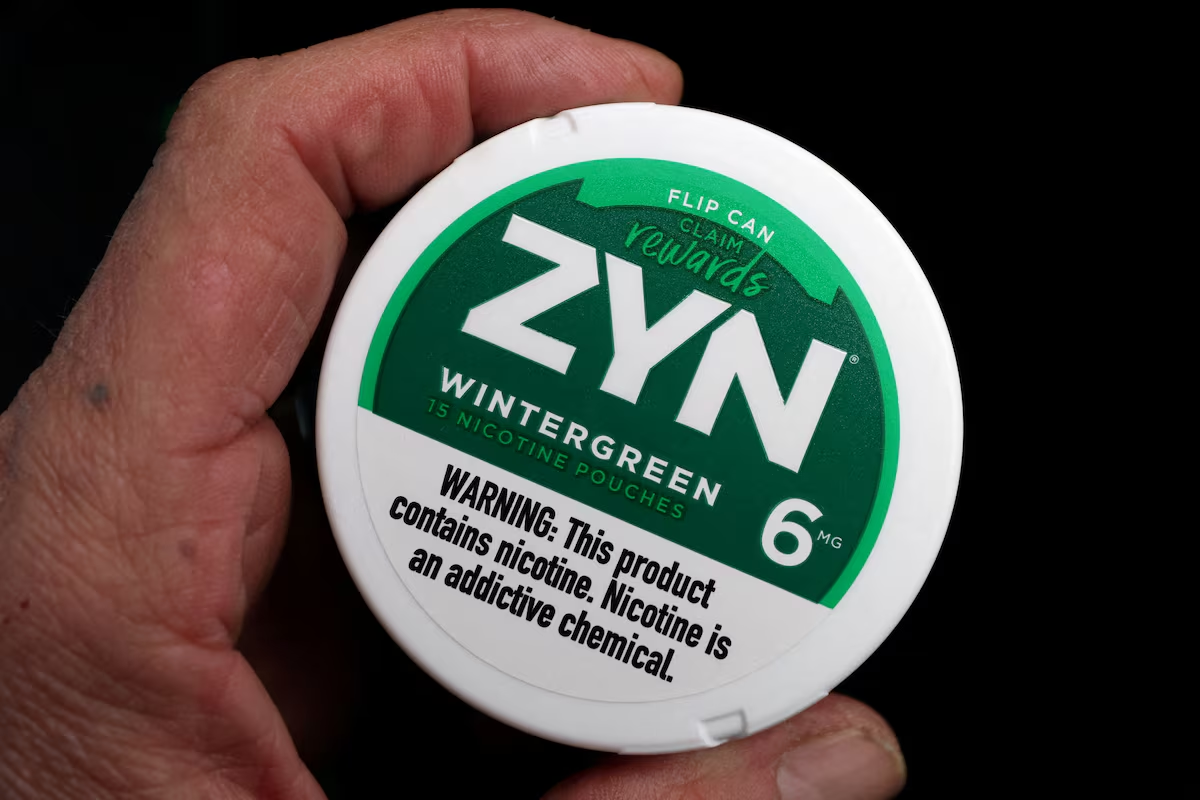
India Steps Up Nicotine Pouch Enforcement as ZYN, White Fox Circulate and Drug Panel Urges Halt to New Nicotine Formulations
India's Ministry of Health and Family Welfare has directed states to step up enforcement against nicotine pouch sales, citing increased availability through online and offline channels and concern about nicotine exposure among children. Reuters reported that international brands including ZYN and White Fox are being sold in India. A study led by ICMR-NICPR found pouches in seven of 10 surveyed locations and identified 68 brands and 445 flavors online. Separately, India's Drugs Technical Advisory Board recommended in August that no new nicotine formulation be approved.
Regulations
Sep.28 by 2Firsts Perspectives
Australia’s One Nation Proposes 75% Tobacco Tax Cut, Says Lower Prices Could Hit Illicit Market
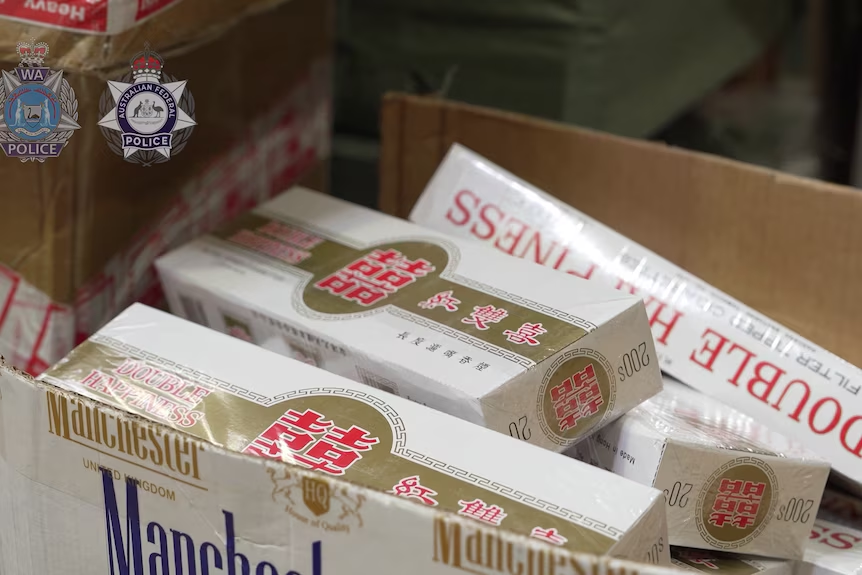
Australia’s One Nation party has proposed cutting tobacco excise by 75%, arguing that lower legal cigarette prices could narrow the gap with illicit tobacco and reduce demand for black-market products. The proposal comes as Australia continues expanding enforcement against illicit tobacco supply chains through border controls, retail inspections and organised-crime investigations. Supporters argue high taxes have contributed to illicit-market growth, while opponents warn that lower tobacco prices could undermine public-health goals. The proposal is a party policy position and has not been adopted by the Australian government.
Aug.18
EU Trade Department Faces Scrutiny Over Contacts With Tobacco Industry
European Ombudswoman Teresa Anjinho has opened an inquiry into how the European Commission’s Directorate-General for Trade handles interactions with the tobacco industry. The case follows a complaint from a civil society organisation that alleges regular, unnecessary and non-transparent contacts between DG TRADE and tobacco industry representatives, raising questions over compliance with the EU’s obligations under the WHO Framework Convention on Tobacco Control. The inquiry remains ongoing, and the Ombudswoman has not reached any finding of maladministration.
Aug.24
JTI Invests ₱2.1 Billion to Upgrade Batangas Manufacturing Hub, Adds First Southeast Asia DIET Facility
JTI Asia Manufacturing Corp. has invested ₱2.1 billion, or about $37 million, in its manufacturing site in Malvar, Batangas, Philippines, to expand tobacco-processing capabilities. About ₱1.9 billion is allocated to JTI's first Dry Ice Expanded Tobacco, or DIET, facility in Southeast Asia, while more than ₱177 million has been spent on expanding its Controlled Atmosphere treatment facility. The Batangas plant supplies the Philippine market and exports to 22 overseas markets, making it one of JTI's key manufacturing hubs in Asia.
Sep.24