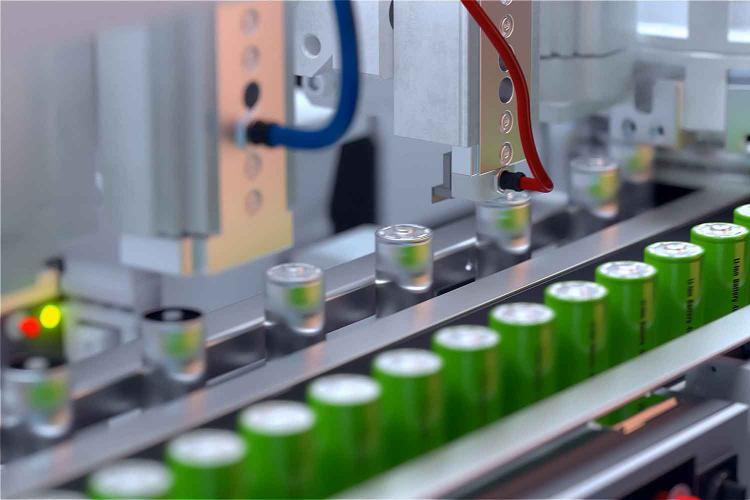
According to a Law360 report, the Supreme Court of Texas (referred to as "Texas" below) has agreed to hear a case against LG Chem and LG Chem America. The case involves an e-cigarette user who was injured due to an LG battery explosion. It will decide whether Texas courts have jurisdiction over LG Chem. LG Chem is headquartered in South Korea, with LG Chem America being its subsidiary.
The focus of this case is that the jurisdiction of the United States states is under the framework of federal law. States cannot exercise jurisdiction over judicial matters that do not belong to their state. LG Chemical's batteries are not directly distributed nationwide, so areas without direct distribution cannot exercise jurisdiction.
In 2016, Texan resident Tommy Morgan purchased an electronic cigarette which utilized an LG Chemical-manufactured 18650 lithium-ion battery. According to a lawsuit he filed in 2019 in Brazoria County Court, he claims that the battery in the e-cigarette exploded and caught fire unexpectedly, resulting in permanent injuries.
The company is also facing similar battery explosion lawsuits from Texas residents. However, the intermediate appeals court has come to a different conclusion regarding whether LG Chemical has sufficient contacts in the state to respond to the claims of victims, specifically regarding direct benefit from e-cigarette sales.
LG Chem USA and LG Chem assert that the Texas court lacks jurisdiction because these companies have not sold any individual batteries in Texas or sold directly to customers in the state.
LG Chem | Image Source: LG Chem Official Website.
It is understood that this is not the first time that LG Chemical has faced a similar lawsuit.
In Mississippi, the Dilworth couple has claimed that an electronic cigarette battery exploded while walking their dog, causing Mrs. Dilworth to suffer second and third degree burns. The battery was purchased separately from a local Mississippi e-cigarette store without any warnings or instructions.
The Dilworths have initiated a lawsuit including LG Chem, but it has encountered issues related to jurisdiction. LG Chem argued that Mississippi does not have personal jurisdiction over the company (see related article at the end), as it does not sell batteries for electronic cigarettes in Mississippi. The district court rejected the lawsuit filed by the Dilworths.
The Dilworth couple kept appealing and finally, on October 13th, 2022, the Mississippi Supreme Court ruled that they can sue LG Chem in Mississippi.
In Ohio, Paul Straight purchased an e-cigarette from a vape store which exploded, burning through his jeans and left thigh. He subsequently sued LG Chem. However, the Ohio court ruled in favor of LG, dismissing the case.
The state judge believed that LG Chem had confirmed that they had not received any revenue from the sale or distribution of 18650 batteries in Ohio, nor had they advertised or solicited business for these batteries in Ohio.
According to anonymous sources cited by 2FIRSTS, LG and Samsung have both been insisting that their batteries cannot be used in e-cigarette products. Additionally, LG's 18650 batteries are encased in steel and therefore intrinsically risky.
In fact, LG's significant market share in the e-cigarette battery market has given them extensive experience in dealing with lawsuits. According to Market.us' 2022 global e-cigarette lithium battery market segmentation percentage list, Korean company LG ranks fourth globally, with the top three being Samsung of Korea, Sony of Japan, and Matsushita.
According to a report from the legal news website Legal Newsline, LG Chem is currently facing at least 44 similar lawsuits across the United States as of October 2022. Despite this, LG Chem has maintained the same defense in each of these cases, arguing that their 18650 batteries were never intended for use in e-cigarettes or other inhalation devices.
Consumers, however, clearly do not agree with this argument. Morgan, who filed a lawsuit in the Texas High Court, stated that "LG Chemical deliberately shipped products to customers in Texas (which caused consumer burns), therefore Texas courts have jurisdiction.
Related reading:
LG Electronics has been acquitted after being accused in a case of battery explosion.
A South Korean electronic cigarette battery manufacturer has been sued in Mississippi, USA.
A court in Texas will hear a case concerning exploding batteries.
Further Reading:
Personal Jurisdiction refers to the interpretation of the law in the United States.
Disclaimer
This article is provided solely for professional research, industry discussion, and informational purposes. Any references to brands, companies, products, technologies, or policies are made for factual reporting and analytical purposes only, and do not constitute endorsement, recommendation, promotion, or advertising by 2Firsts.
Nicotine-containing products, including but not limited to cigarettes, e-cigarettes, heated tobacco products, and nicotine pouches, carry significant health risks. Readers are responsible for complying with all applicable laws and regulations in their respective jurisdictions, including age restrictions and access limitations.
The information contained in this article should not be regarded as investment, legal, medical, regulatory, or commercial advice. While 2Firsts strives to ensure the accuracy and reliability of its content, it does not assume liability for any direct or indirect loss arising from errors, omissions, inaccuracies, or reliance on the information contained herein.
This article is not intended for individuals below the legal age for accessing tobacco or nicotine-related information in their jurisdiction.
Copyright Notice
This article is either original content produced by 2Firsts or content reproduced, translated, summarized, or adapted from third-party sources with attribution where applicable. The intellectual property rights of the original content remain with 2Firsts or the respective original rights holders.
No individual or organization may copy, reproduce, distribute, republish, modify, translate, or otherwise use this content without prior authorization. Any unauthorized use may result in legal action.
For copyright-related inquiries, corrections, or removal requests, please contact: info@2firsts.com.
AI-Assisted Translation and Editing Notice
Portions of this article may have been translated, edited, or reviewed with the assistance of artificial intelligence tools to improve efficiency and readability. Due to the limitations of AI-assisted translation and editing, discrepancies, omissions, or inaccuracies may exist when compared with the original source.
Where applicable, readers are advised to refer to the original source for the most complete and accurate information. If you identify any errors or believe that any content infringes upon your rights, please contact us at info@2firsts.com, and we will review and address the matter promptly.