According to a report by GlobalVoices on August 8th, e-cigarettes (vapes) have flooded the African market, particularly in Nigeria and Burkina Faso, but neither government has implemented a proper e-cigarette waste disposal plan.
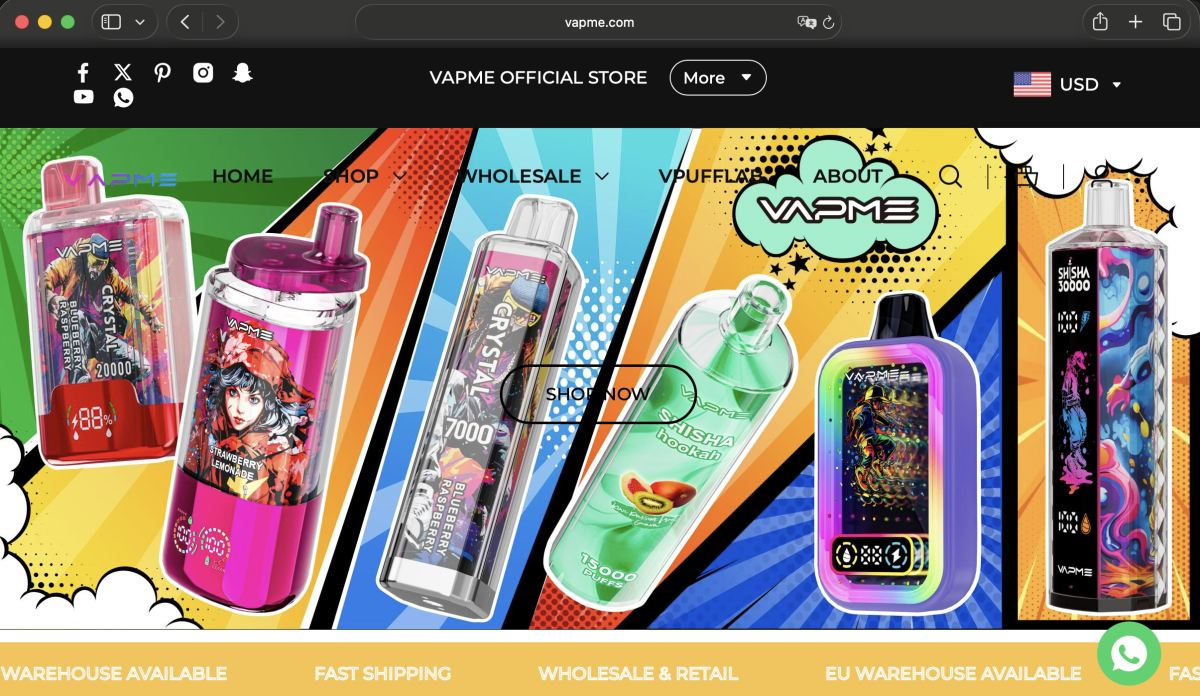
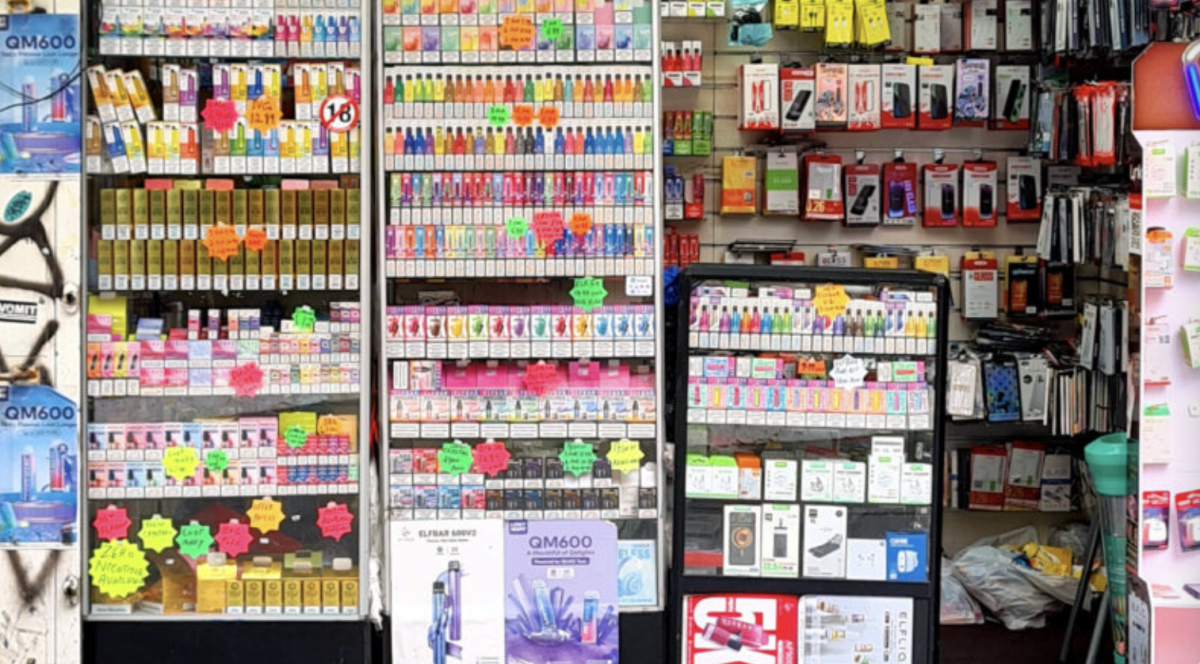
E-cigarette products are flooding the markets in these countries, being widely sold in supermarkets and local shops, with some even being sold online through WhatsApp groups in schools.
E-cigarette products contain 2% to 5% nicotine, which is considered to be a high nicotine content. Due to the lack of a waste disposal plan for e-cigarettes, disposable e-cigarettes are being casually discarded in public places, sometimes even thrown into rivers, causing environmental impact.
Research shows that the aerosol of e-cigarettes contains carcinogenic substances such as formaldehyde and acetaldehyde, and some flavors of e-cigarette e-liquid may be toxic to lung cells and potentially disrupt the immune system.
In 2019, there was an epidemic of lung injuries related to e-cigarette use (EVALI) in the United States, resulting in many hospitalizations and deaths. Illegally manufactured hydrocarbons and vitamin E acetate in e-cigarettes are believed to be the main causes of the illness.
Many African parents are not familiar with e-cigarettes, so when their children start using these products, they are unaware of the dangers involved.
While Nigeria and Burkina Faso prohibit the use of tobacco products by individuals under the age of 18, the tobacco laws in these countries do not specifically mention or regulate the use of e-cigarettes.
The damage caused by e-cigarettes to the environment includes air and water pollution: nicotine and other toxins easily dissolve in water, harming fish and biodiversity. The harm to the human body caused by e-cigarettes includes irritating the throat and mouth, coughing, runny nose, and respiratory infections.
The European Union has strict regulations on e-cigarettes, including limits on nicotine content, product registration and ingredient disclosure, as well as restrictions on sales and advertising to minors.
In 2015, former Nigerian President Goodluck Jonathan signed the National Tobacco Control Act, but the law has not been effectively implemented. In early 2024, the civil society organization ACONTA in Burkina Faso discussed with the Ministry of Health the issue of strengthening tobacco control legislation, including incorporating emerging products like e-cigarettes into the legislation.
Akinbode Oluwafemi, Executive Director of the African Coalition for Tobacco Control and Poverty Alleviation (CAPPA), emphasized the need for the Nigerian government to protect its people, especially children, from the harm of e-cigarettes, and advocated for the implementation of strict tobacco laws.
We welcome news tips, article submissions, interview requests, or comments on this piece.
Please contact us at info@2firsts.com, or reach out to Alan Zhao, CEO of 2Firsts, on LinkedIn
Notice
1. This article is intended solely for professional research purposes related to industry, technology, and policy. Any references to brands or products are made purely for objective description and do not constitute any form of endorsement, recommendation, or promotion by 2Firsts.
2. The use of nicotine-containing products — including, but not limited to, cigarettes, e-cigarettes, nicotine pouchand heated tobacco products — carries significant health risks. Users are responsible for complying with all applicable laws and regulations in their respective jurisdictions.
3. This article is not intended to serve as the basis for any investment decisions or financial advice. 2Firsts assumes no direct or indirect liability for any inaccuracies or errors in the content.
4. Access to this article is strictly prohibited for individuals below the legal age in their jurisdiction.
Copyright
This article is either an original work created by 2Firsts or a reproduction from third-party sources with proper attribution. All copyrights and usage rights belong to 2Firsts or the original content provider. Unauthorized reproduction, distribution, or any other form of unauthorized use by any individual or organization is strictly prohibited. Violators will be held legally accountable.
For copyright-related inquiries, please contact: info@2firsts.com
AI Assistance Disclaimer
This article may have been enhanced using AI tools to improve translation and editorial efficiency. However, due to technical limitations, inaccuracies may occur. Readers are encouraged to refer to the cited sources for the most accurate information.
We welcome any corrections or feedback. Please contact us at: info@2firsts.com