Controversial Regulations on E-Cig Sales in Brazil: Public Consultation Initiated

Regulations by 2FIRSTS.ai
Jan.12.2024
Controversial Regulations on E-Cig Sales in Brazil: Public Consultation Initiated
Brazil's National Health Surveillance Agency (Anvisa) has launched a public consultation on e-cigarette sales regulations, sparking widespread discussion.

According to a report by Brazilian media outlet Brasil247 on January 11th, the Brazilian National Health Surveillance Agency (Anvisa) has launched a public consultation on regulations regarding the sale of e-cigarettes, sparking widespread public discussion. This issue directly relates to public health and involves millions of consumers. Anvisa has provided an online form on their website to collect public feedback on these regulations. Until February 9th, anyone interested can submit suggestions and comments, after which the agency's management will decide whether to approve the proposed resolutions.


Despite a ban on the import, advertisement, and sale of e-cigarettes by Anvisa since 2009, which includes all types of devices and ad campaigns, doctors, experts, and lawmakers continue to call for regulations to prevent consumption among young people and teenagers. Currently, Brazil has nearly 3 million adult smokers and 6.3 million individuals who are considering trying e-cigarettes, according to a survey by Ipec research institute. Whether in support or opposition to the sale of e-cigarettes, everyone agrees that a clear decision on this matter is necessary.


Nísia Trindade, the Minister of Health, has criticized the proposal to regulate e-cigarettes, emphasizing the importance of maintaining the ban on their sale. However, e-cigarette trading in Brazil has seen a significant increase in recent years.


According to information from the Ministry of Finance, the number of smuggled products has skyrocketed from 23,000 units in 2019 to 1.1 million units by 2023, with an estimated value increase from 1.9 million Brazilian Real to 534 million Brazilian Real (approximately 110 million US dollars). Among these, the states of Parana, Mato Grosso, and Sao Paulo accounted for 84% of the items seized between 2019 and October 2023. The tax authorities classify e-cigarettes as smuggled goods, and any confiscated items and transportation vehicles will be seized.


According to data from the tax department, the state of Paraná, which borders Paraguay, has become the region with the highest number of e-cigarettes seized within the country. Meanwhile, Paraguay serves as the main route for the illegal entry of e-cigarettes into Brazil. From 2019 to October 2023, Paraná state has confiscated a total of 1.4 million e-cigarettes, while the Federal Highway Police reported a staggering increase of 1,131% in the number of e-cigarettes seized in 2023.


The Brazilian Medical Association (AMB) has issued a warning that the majority of e-cigarettes contain nicotine, which is addictive. E-cigarettes have undergone several transformations, including disposable products, rechargeable products, and heated tobacco products. Despite being marketed to adults aged 18 and above, these products are not without risks, and teenagers should avoid using them. Whether in favor or against the sale of e-cigarettes, there is a shared emphasis on the urgent need for well-informed decisions in this mature market.


We welcome news tips, article submissions, interview requests, or comments on this piece.

Please contact us at info@2firsts.com, or reach out to Alan Zhao, CEO of 2Firsts, on LinkedIn


Notice

1.  This article is intended solely for professional research purposes related to industry, technology, and policy. Any references to brands or products are made purely for objective description and do not constitute any form of endorsement, recommendation, or promotion by 2Firsts.

2.  The use of nicotine-containing products — including, but not limited to, cigarettes, e-cigarettes, nicotine pouchand heated tobacco products — carries significant health risks. Users are responsible for complying with all applicable laws and regulations in their respective jurisdictions.

3.  This article is not intended to serve as the basis for any investment decisions or financial advice. 2Firsts assumes no direct or indirect liability for any inaccuracies or errors in the content.

4.  Access to this article is strictly prohibited for individuals below the legal age in their jurisdiction.


Copyright


This article is either an original work created by 2Firsts or a reproduction from third-party sources with proper attribution. All copyrights and usage rights belong to 2Firsts or the original content provider. Unauthorized reproduction, distribution, or any other form of unauthorized use by any individual or organization is strictly prohibited. Violators will be held legally accountable.

For copyright-related inquiries, please contact: info@2firsts.com


AI Assistance Disclaimer


This article may have been enhanced using AI tools to improve translation and editorial efficiency. However, due to technical limitations, inaccuracies may occur. Readers are encouraged to refer to the cited sources for the most accurate information.

We welcome any corrections or feedback. Please contact us at: info@2firsts.com

JTI Invests ₱2.1 Billion to Upgrade Batangas Manufacturing Hub, Adds First Southeast Asia DIET Facility
JTI Asia Manufacturing Corp. has invested ₱2.1 billion, or about $37 million, in its manufacturing site in Malvar, Batangas, Philippines, to expand tobacco-processing capabilities. About ₱1.9 billion is allocated to JTI's first Dry Ice Expanded Tobacco, or DIET, facility in Southeast Asia, while more than ₱177 million has been spent on expanding its Controlled Atmosphere treatment facility. The Batangas plant supplies the Philippine market and exports to 22 overseas markets, making it one of JTI's key manufacturing hubs in Asia.
Sep.24
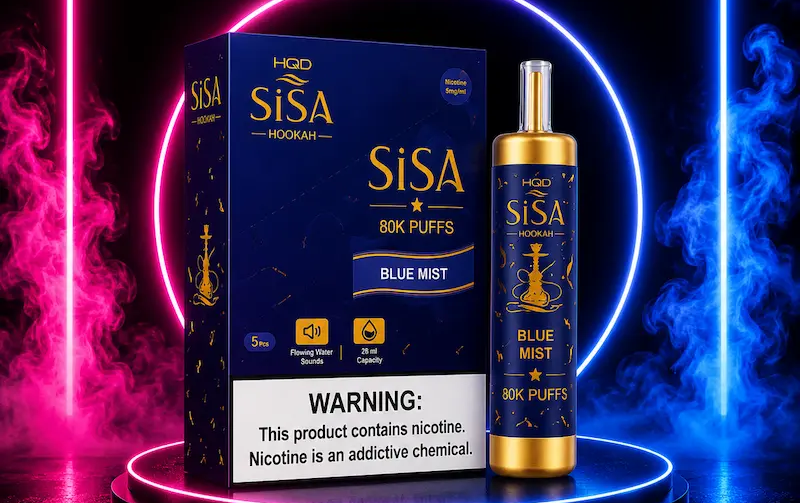
Product | HQD SiSA 80K Enters the U.S. Market With a Hookah-Inspired Approach to the High-Capacity Disposable Segment
The HQD SiSA 80K Hookah Disposable Vape has appeared across U.S. and cross-border online retail channels. The device comes prefilled with 28ml of e-liquid, uses a 5% nicotine salt configuration and carries a brand claim of up to 80,000 puffs. Beyond puff count, the product differentiates itself through hookah-inspired features including adjustable airflow, a flowing-water sound effect and flavor options associated with traditional hookah consumption.
Aug.18
South Korea Imports 12,126 Kg of Nicotine Analogues From April to August After Bringing Synthetic Nicotine Under Tobacco Law
South Korea's liquid-vape market is showing changes across raw-material imports, product types and sales channels after synthetic nicotine came under the Tobacco Business Act on April 24. Customs data show nicotine-analogue imports totaled 12,126 kilograms from April through August, while synthetic-nicotine imports over the same five months totaled 231,663 kilograms, just 39.3% of the amount imported in March alone. Physical liquid-vape stores tracked in Seoul and Gyeonggi Province fell 9.9%, unmanned outlets edged higher and online sales listings increased from 27,774 to 42,437. Government testing of 105 liquid inhalation products promoted as nicotine-free separately found nicotine in 13 and 6-methylnicotine in 12.
Sep.22
Malaysia Withdraws Appeal Against Liquid Nicotine Ruling as Vape Regulation Framework Enters New Phase
Malaysia’s government has withdrawn its appeal against a High Court ruling concerning the regulatory status of liquid nicotine used in vape and e-cigarette products, according to reports by New Straits Times, Free Malaysia Today and CodeBlue on August 18, 2026. The Kuala Lumpur High Court ruled on May 15 that the government’s decision to remove liquid nicotine from the scheduled poisons list under the Poisons Act 1952 was irrational and made without proper consultation with the Poisons Board. The withdrawal ends the government’s appeal process, while the future regulatory framework for nicotine vape products remains under discussion.
Aug.21
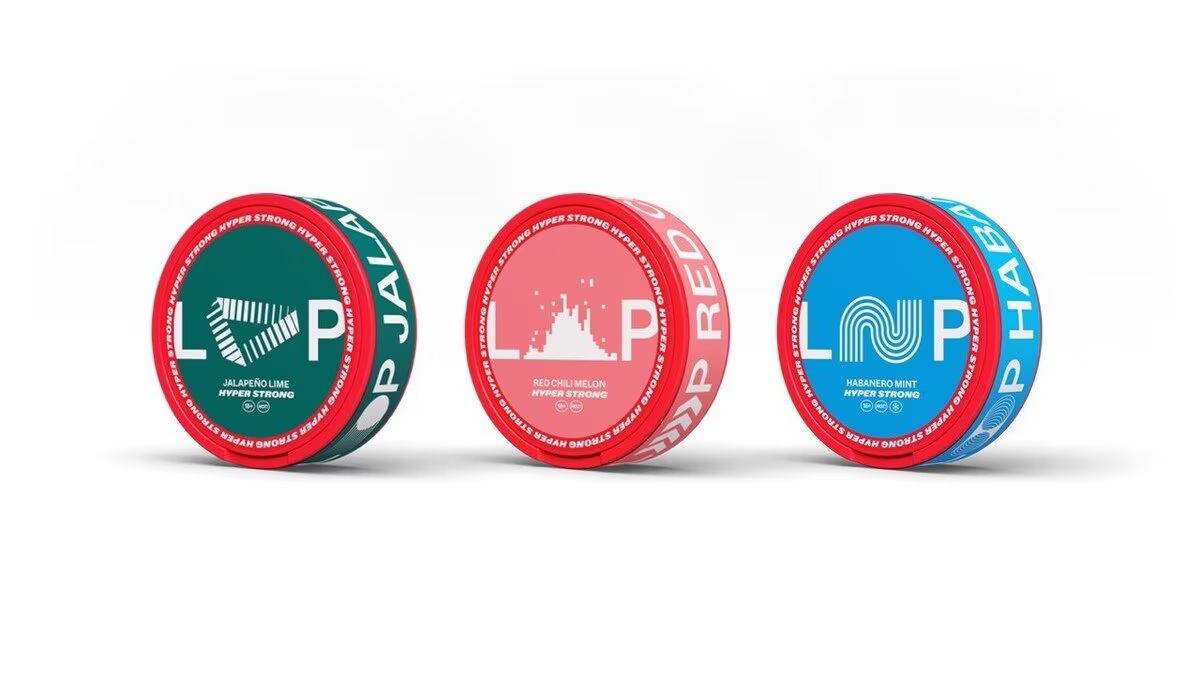
Product | KT&G Brings LOOP Nicotine Pouches to South Africa, Supporting ASF’s Expansion Across Africa
KT&G has introduced nicotine pouch brand LOOP in South Africa, expanding its modern oral nicotine portfolio. Developed by Swedish company Another Snus Factory (ASF), LOOP is a tobacco-free nicotine pouch brand. KT&G and U.S. tobacco company Altria previously participated in ASF’s strategic development, and the South Africa launch represents a further step in LOOP’s international expansion.
Aug.06
Product | DOJO Launches BLAST10K Fresh in UK With 0+10ml E-Liquid Structure, Retaining 2+8ml Pod Compatibility
DOJO launched the BLAST10K Fresh in the UK on September 4, 2026, introducing its INSTA-JUICED™ technology and a new 0+10ml structure that keeps e-liquid separated from the coil before activation. The device features a 1000mAh rechargeable battery, COREX BLAST dual-mesh technology and SSS leak-resistant technology, with a manufacturer-rated capacity of up to 10,000 puffs. It also retains compatibility with existing 2+8ml pods across the BLAST ecosystem. The launch introduces eight new flavors, including Matcha Strawberry, which DOJO describes as an industry first.
Market
Sep.04