Key points:
·Current situation of e-cigarette use among teenagers: In 2024, over 1.6 million American teenagers are still using e-cigarettes, which are the most commonly used tobacco product among middle and high school students.
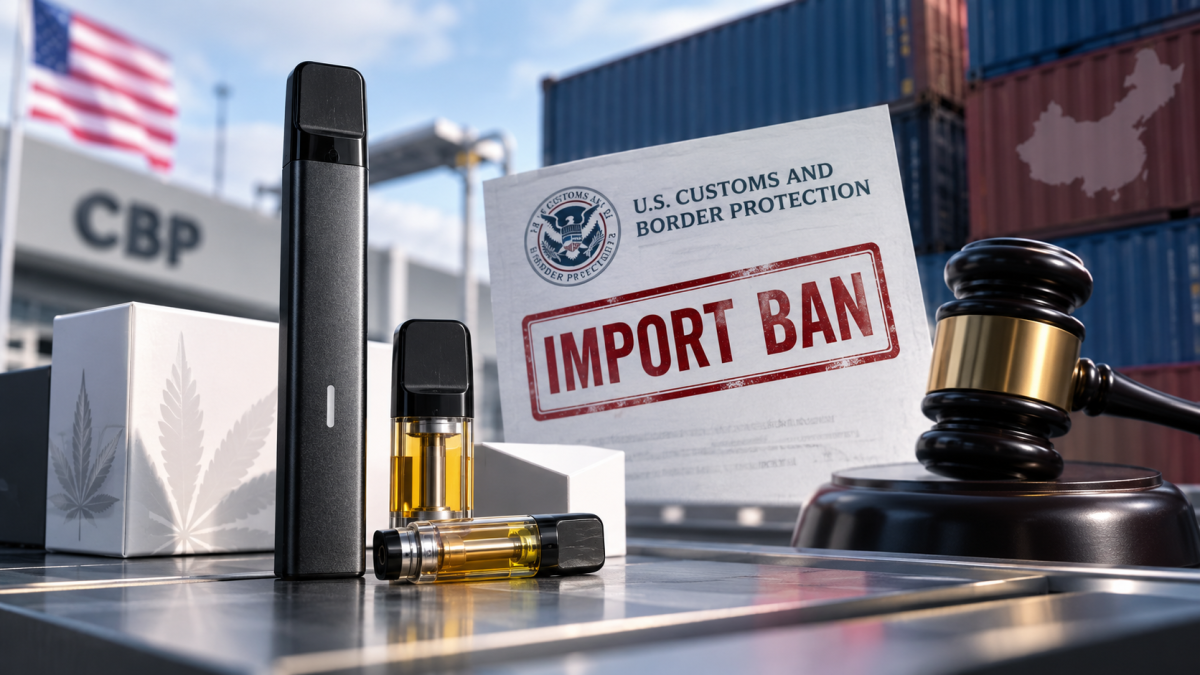
·Enforcement actions: The U.S. Department of Health and Human Services (HHS) and U.S. Customs and Border Protection seized 4.7 million units of illegal e-cigarette products in a joint operation in Chicago, estimated to have a retail value of $86.5 million.
·Resource guide released: HHS has released a "Youth E-cigarette Resource Guide" providing specific action steps for parents, educators, healthcare providers, researchers, regulators, and retailers to protect teenagers from the harms of e-cigarettes.
·Health risks: E-cigarette products contain high concentrations of nicotine, which can disrupt brain development, exacerbate anxiety or depression, and increase the risk of chronic diseases.
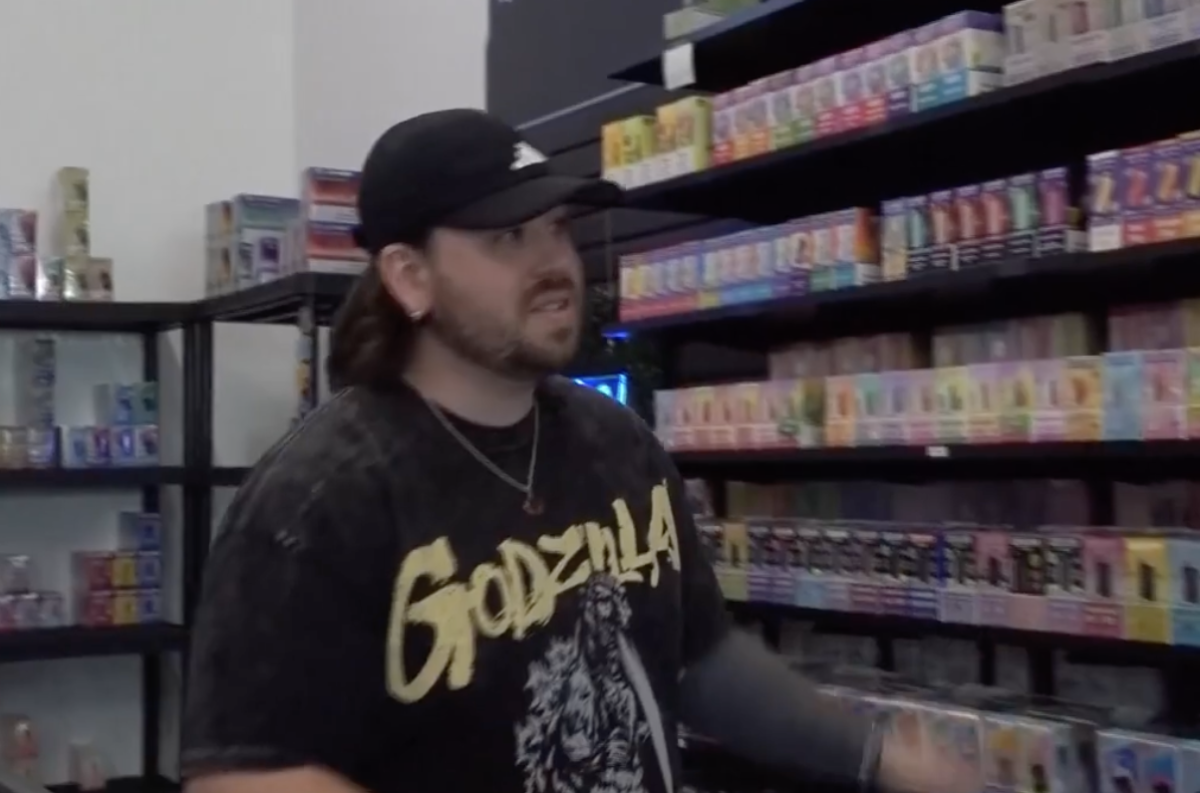
On September 16, 2025 - According to a report on the official website of the Department of Health and Human Services (HHS) on September 15, the Office of the Director of the Bureau of Health of the Department of Health and Human Services (HHS) released the "Youth e-cigarette Resource Guide" to address the ongoing epidemic of e-cigarette use among youth. Despite a slight decrease in usage, e-cigarettes remain the most commonly used tobacco product among middle and high school students, with over 1.6 million youths still reporting use in 2024. Up to 85% of e-cigarette devices and pods sold in retail locations in the United States are illegal products. Federal law enforcement has seized millions of unauthorized devices, but illegal sales continue, posing a threat to the health of youth nationwide.
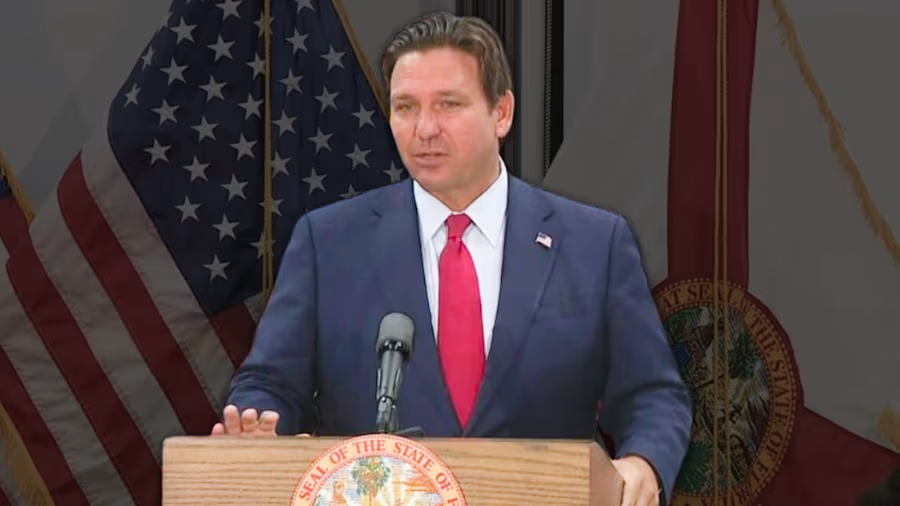
Last week, the Department of Health and Human Services (HHS) and U.S. Customs and Border Protection announced the seizure of approximately 4.7 million units of illegal e-cigarette products, primarily from China, with an estimated retail value of $86.5 million. This seizure was part of a joint federal operation in Chicago aimed at inspecting incoming goods and preventing illegal e-cigarettes from entering the United States. HHS Secretary Robert F. Kennedy, Jr., FDA Commissioner Marty Makary, and Attorney General Pam Bondi emphasized the significance of this seizure in a press conference.
E-cigarettes pose a direct threat to children's brain development, mental health, and long-term well-being," said Minister Kennedy. "We are taking action now to protect the next generation and provide clear warnings for families, schools, and communities to prevent children from being harmed by nicotine addiction and illegal products.
The FDA and our federal partners are taking swift action to seize millions of illegal e-cigarettes at ports, distributors, and retailers," Director McCaul said. "American children should not become hooked on addictive e-cigarette devices, especially those illegally imported from our adversary countries.
The trend of youth e-cigarette use is not harmless. Dr. Stephanie Haridopolos, Acting Chief of Staff and Senior Advisor at the Office of the US Surgeon General, stated, "This poses a serious threat to the health and development of children. This guide calls on all of us, including families, schools, health professionals, and communities, to come together to protect adolescents from the dangers of nicotine addiction and toxic exposure.
President Trump's MAHA Commission's strategic report was released on September 9, 2025 at HHS, calling for increased enforcement by the FDA against illegal e-cigarette products, and raising public awareness through public campaigns about the government's stance against unapproved e-cigarette products targeting children continuing to flow into the United States.
The Teen E-Cigarette Resource Guide provides actionable steps for a wide range of stakeholders committed to protecting teenagers from the harms of e-cigarettes.
·Parents and guardians: Understand the basics of e-cigarettes, be aware of the risks, and have open conversations with children.
·Educators: Discuss the dangers of tobacco and e-cigarettes with students to help them make informed choices.
·Healthcare providers: Screen adolescents for e-cigarette use and provide counseling on the health risks.
·Researchers: Study the long-term effects of e-cigarettes to inform public health strategies.
·Regulatory agencies and retailers: Strengthen enforcement, improve legislation, and work together to remove illegal e-cigarette products from the market.
E-cigarette products typically contain high concentrations of nicotine, a substance that is highly addictive and found in traditional cigarettes. Nicotine can disrupt brain development, exacerbate anxiety or depression, and increase the risk of chronic diseases. Studies also suggest that nicotine consumption is linked to damage to blood vessels.
We welcome news tips, article submissions, interview requests, or comments on this piece.
Please contact us at info@2firsts.com, or reach out to Alan Zhao, CEO of 2Firsts, on LinkedIn
Notice
1. This article is intended solely for professional research purposes related to industry, technology, and policy. Any references to brands or products are made purely for objective description and do not constitute any form of endorsement, recommendation, or promotion by 2Firsts.
2. The use of nicotine-containing products — including, but not limited to, cigarettes, e-cigarettes, nicotine pouchand heated tobacco products — carries significant health risks. Users are responsible for complying with all applicable laws and regulations in their respective jurisdictions.
3. This article is not intended to serve as the basis for any investment decisions or financial advice. 2Firsts assumes no direct or indirect liability for any inaccuracies or errors in the content.
4. Access to this article is strictly prohibited for individuals below the legal age in their jurisdiction.
Copyright
This article is either an original work created by 2Firsts or a reproduction from third-party sources with proper attribution. All copyrights and usage rights belong to 2Firsts or the original content provider. Unauthorized reproduction, distribution, or any other form of unauthorized use by any individual or organization is strictly prohibited. Violators will be held legally accountable.
For copyright-related inquiries, please contact: info@2firsts.com
AI Assistance Disclaimer
This article may have been enhanced using AI tools to improve translation and editorial efficiency. However, due to technical limitations, inaccuracies may occur. Readers are encouraged to refer to the cited sources for the most accurate information.
We welcome any corrections or feedback. Please contact us at: info@2firsts.com