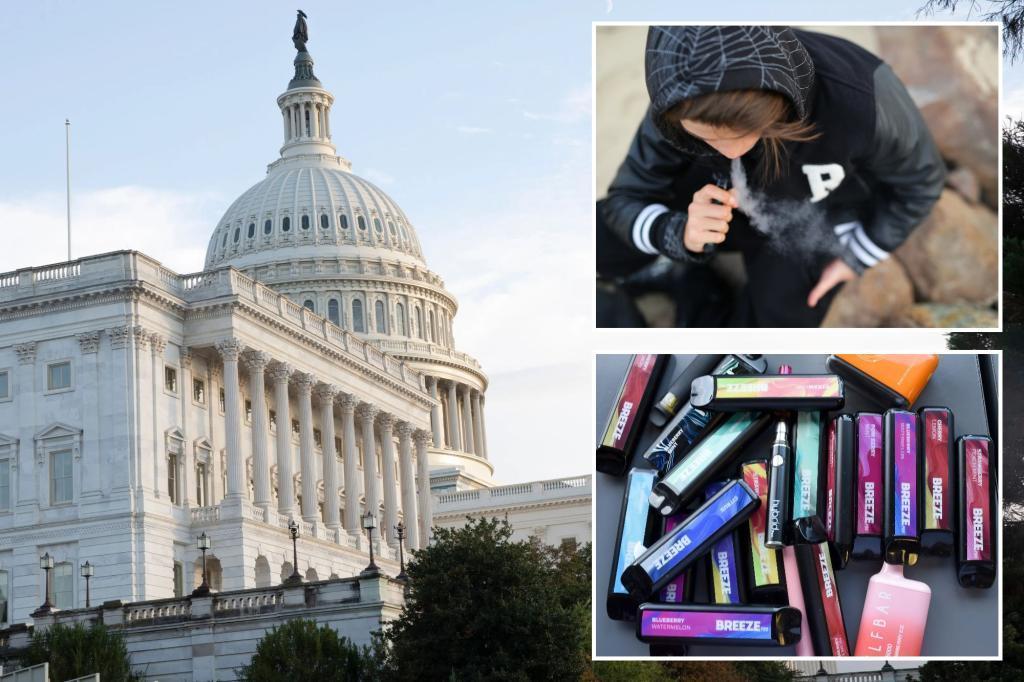
According to a report from the New York Post on November 28, the issue of vapes will be brought before the Supreme Court next week. Federal regulatory agencies are requesting Supreme Court support for their ban on flavored e-cigarette products, which aims to combat the significant increase in youth vape use.
The Food and Drug Administration (FDA) has rejected marketing applications for over a million candy or fruit-flavored products. Advocates say this measure will help reduce the rate of youth vape use after a surge in 2019 that reached "epidemic levels."
However, vape companies argue that the FDA is ignoring their arguments that flavored e-cigarette products help adults quit smoking and do not increase the risk for teenagers.
In September, Donald Trump took to social media to vow to "save" vapes, but his administration may take a different approach moving forward.
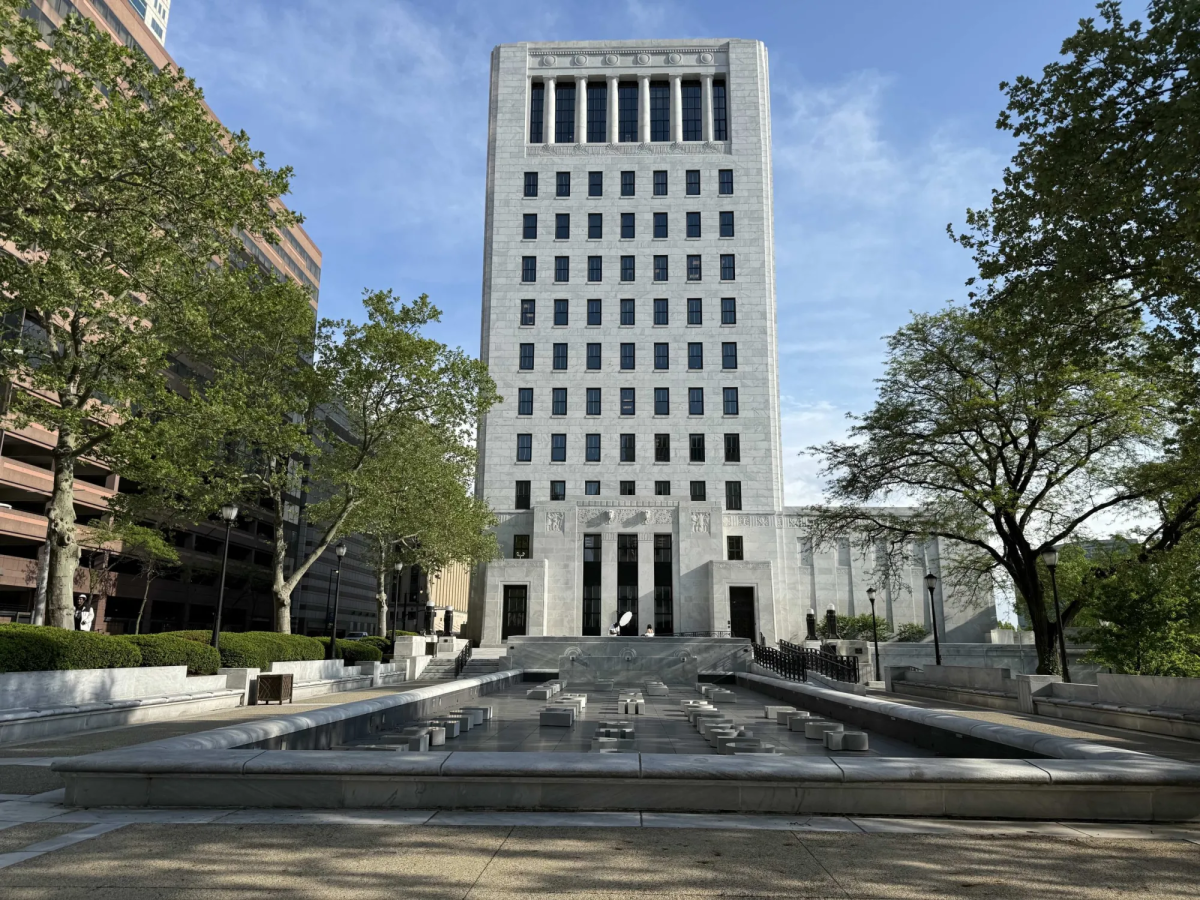
On Monday (25th), the Supreme Court heard an appeal from the FDA against a ruling by the Fifth Circuit Court of Appeals in the United States. Despite other courts supporting the FDA's decision, the Appeals Court sided with Triton Distribution. It overturned a ruling that banned the sale of nicotine e-liquids (such as "Jimmy The Juice Man in Peachy Strawberry"). Triton stated that the FDA unfairly changed its requirements without sufficient advance notice.
"It sort of pulls the chair out from the applicants," said Marc Scheineson, a former FDA associate commissioner and attorney who now represents other small electronic tobacco companies.
The FDA's regulation progress in the vape market has been slow, with illegal flavored e-cigarettes still widely available. The FDA has approved some tobacco-flavored vapes, and recently approved the first mint-flavored e-cigarette for use by adult smokers.
Dennis Henigan, Vice President of Legal and Regulatory Affairs for the Smoke-Free Kids Campaign, pointed out that by combining bans on tobacco products with enforcement of age restrictions at the federal and state levels, youth nicotine use has been reduced to its lowest levels in a decade.
The FDA's requirement is clear: it is concerned that a court ruling could lead to flavored vapes becoming even more popular. Flavored vapes are the primary choice for 1.6 million high school students still using e-cigarettes, and this could pose a serious threat to public health.
We welcome news tips, article submissions, interview requests, or comments on this piece.
Please contact us at info@2firsts.com, or reach out to Alan Zhao, CEO of 2Firsts, on LinkedIn
Notice
1. This article is intended solely for professional research purposes related to industry, technology, and policy. Any references to brands or products are made purely for objective description and do not constitute any form of endorsement, recommendation, or promotion by 2Firsts.
2. The use of nicotine-containing products — including, but not limited to, cigarettes, e-cigarettes, nicotine pouchand heated tobacco products — carries significant health risks. Users are responsible for complying with all applicable laws and regulations in their respective jurisdictions.
3. This article is not intended to serve as the basis for any investment decisions or financial advice. 2Firsts assumes no direct or indirect liability for any inaccuracies or errors in the content.
4. Access to this article is strictly prohibited for individuals below the legal age in their jurisdiction.
Copyright
This article is either an original work created by 2Firsts or a reproduction from third-party sources with proper attribution. All copyrights and usage rights belong to 2Firsts or the original content provider. Unauthorized reproduction, distribution, or any other form of unauthorized use by any individual or organization is strictly prohibited. Violators will be held legally accountable.
For copyright-related inquiries, please contact: info@2firsts.com
AI Assistance Disclaimer
This article may have been enhanced using AI tools to improve translation and editorial efficiency. However, due to technical limitations, inaccuracies may occur. Readers are encouraged to refer to the cited sources for the most accurate information.
We welcome any corrections or feedback. Please contact us at: info@2firsts.com