Key Points
- VCU analyzed nearly 1,300 vaping products collected from Virginia K–12 schools during the 2024–25 academic year.
- 83% of tested devices contained nicotine; 14% contained cannabinoids, including mixes of plant-based and synthetic compounds.
- Some products displayed microbial contamination — bacteria, yeast, and coliform — with several samples exceeding exposure thresholds. Contaminated devices were used, confiscated products, not new or unopened units.
- Fewer than 0.1% of the tested products were authorized for legal sale, indicating widespread circulation of unregulated devices among youth.
A forensic-toxicology lab at VCU recently released findings from a large-scale analysis of nearly 1,300 vaping products confiscated in K–12 schools across Virginia during the 2024–25 school year. The results — published in late October 2025 — reveal widespread mis-labeling and contamination in products marketed as “vapes,” including nicotine e-cigarettes and cannabinoid vapes.
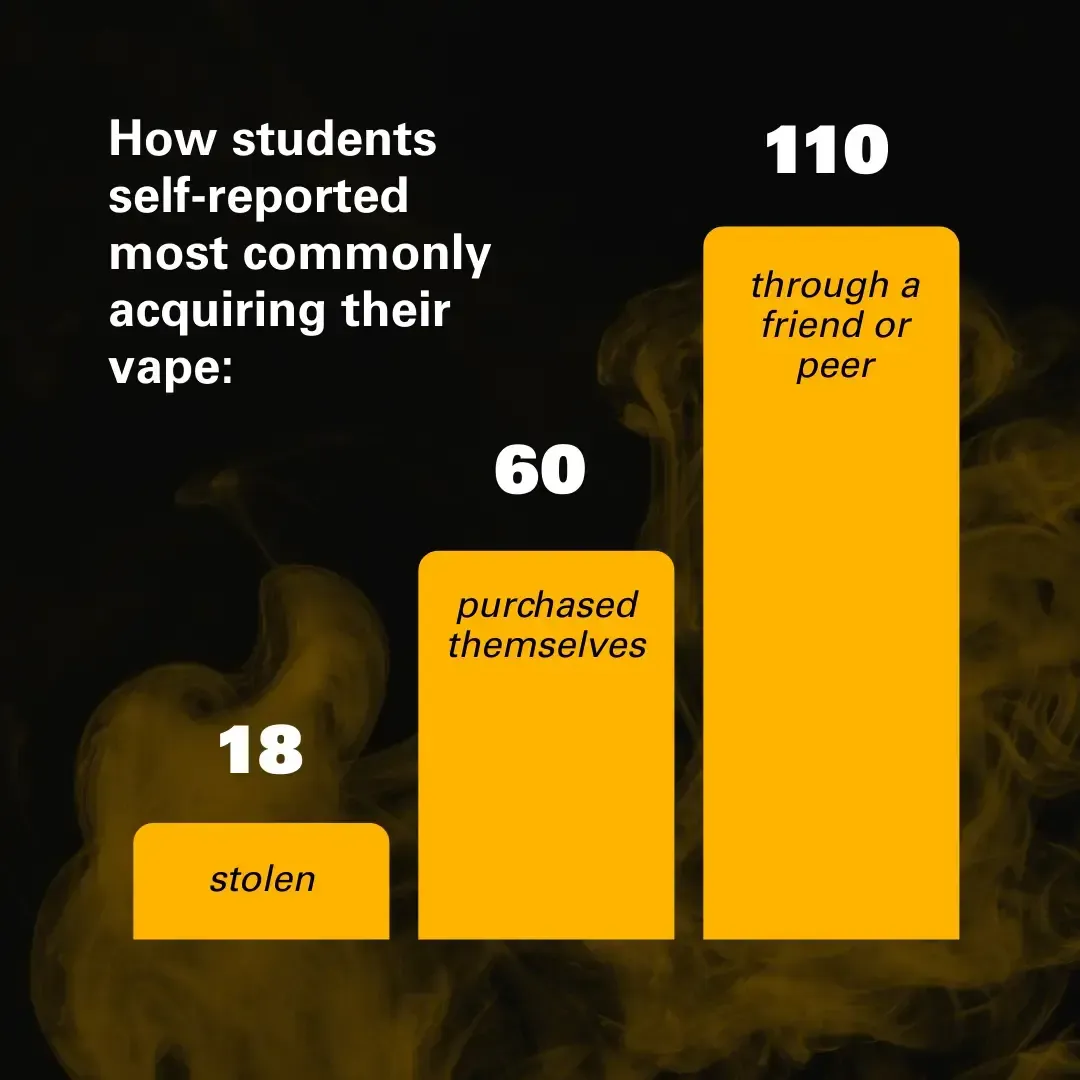
Among the 1,287 submissions received by the lab, the most frequently encountered brands were Geek Bar (508), Raz (123), and Lost Mary (100), underscoring the dominance of disposable, flavored products in youth-access markets. According to self-reports collected by school administrators, students most commonly obtained their vapes from friends or peers (110 cases), followed by purchasing them directly (60) or stealing them (18) — a pattern that highlights the diverse, informal channels through which unregulated products circulate among minors.
Key findings include: 83% of products contained nicotine; 14% contained cannabinoids; some vapes advertised as having 5% nicotine actually contained only 1–4%. Ethanol was detected in 4% of nicotine-containing samples.
Perhaps most concerning: some devices and their emitted aerosol showed microbial contaminants such as bacteria, yeast, and coliforms — the latter being a bacteria that indicates fecal contamination. According to the researchers, in some cases the contamination levels exceeded thresholds at which health effects may occur.
The vast majority of tested devices (< 0.1%) are authorized for legal sale; the rest are from unregulated or illicit supply channels.
Separately, fact-checking organization Snopes reviewed the viral claim that “vapes contain fecal matter.” Snopes rated the claim True, but emphasized essential context:
- the contaminated vapes were used, confiscated devices,
- contamination resulted from handling, storage, and where the devices were kept,
- and no contamination was found in new, unopened vapes purchased by researchers.
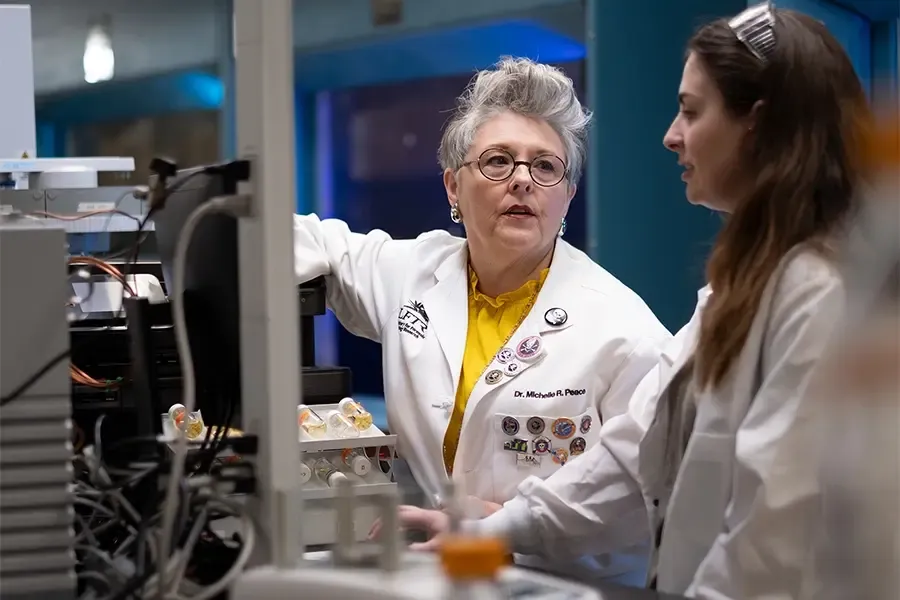
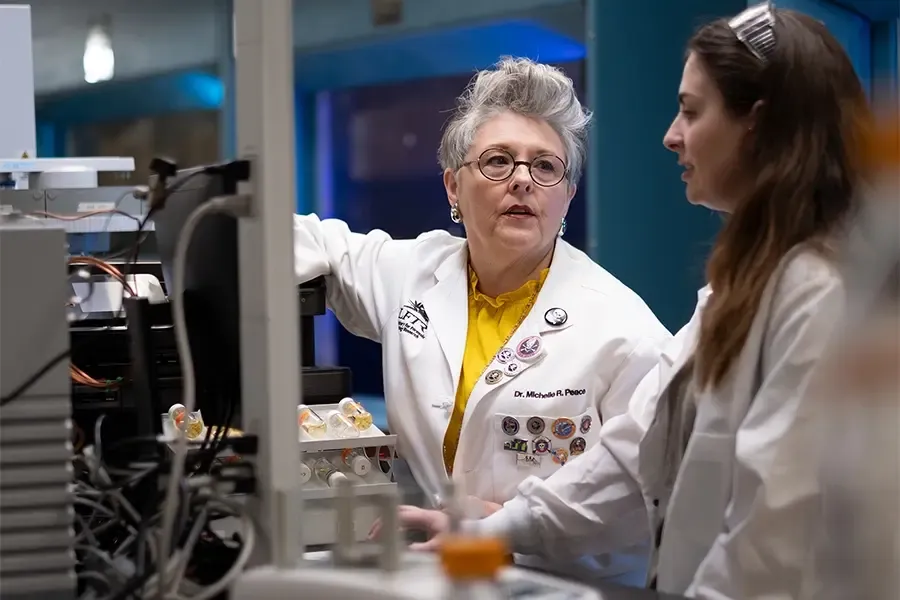
Michelle Peace, the VCU forensic science professor leading the study, emphasized that the findings reflect environmental exposure rather than manufacturing defects, noting that “we have to take the science and make it make sense to the public,” particularly when youth-access products dominate the samples.
Given the findings, researchers at VCU argue that vaping — especially with unregulated products — poses serious public health risks. They call for greater transparency, regulation, and awareness.
About VCU Lab & Michelle Peace
The Forensic Toxicology Research Laboratory at Virginia Commonwealth University (VCU) specializes in chemical and toxicological analysis of vaping products, cannabinoids, and other unregulated substances. The lab conducts component testing, aerosol analysis, and contamination screening for products collected from schools and community settings. Its work is supported by agencies including the Virginia Foundation for Healthy Youth and the National Institute of Justice.
Michelle R. Peace, Ph.D., is a Professor in the VCU Department of Forensic Science and leads the laboratory. Her research focuses on the composition, toxicology, and adulteration of vaping and cannabis products. Peace is widely recognized for her contributions to public-health science and has testified before policymakers on youth vaping and product safety.
Disclaimer
This article is provided solely for professional research, industry discussion, and informational purposes. Any references to brands, companies, products, technologies, or policies are made for factual reporting and analytical purposes only, and do not constitute endorsement, recommendation, promotion, or advertising by 2Firsts.
Nicotine-containing products, including but not limited to cigarettes, e-cigarettes, heated tobacco products, and nicotine pouches, carry significant health risks. Readers are responsible for complying with all applicable laws and regulations in their respective jurisdictions, including age restrictions and access limitations.
The information contained in this article should not be regarded as investment, legal, medical, regulatory, or commercial advice. While 2Firsts strives to ensure the accuracy and reliability of its content, it does not assume liability for any direct or indirect loss arising from errors, omissions, inaccuracies, or reliance on the information contained herein.
This article is not intended for individuals below the legal age for accessing tobacco or nicotine-related information in their jurisdiction.
Copyright Notice
This article is either original content produced by 2Firsts or content reproduced, translated, summarized, or adapted from third-party sources with attribution where applicable. The intellectual property rights of the original content remain with 2Firsts or the respective original rights holders.
No individual or organization may copy, reproduce, distribute, republish, modify, translate, or otherwise use this content without prior authorization. Any unauthorized use may result in legal action.
For copyright-related inquiries, corrections, or removal requests, please contact: info@2firsts.com.
AI-Assisted Translation and Editing Notice
Portions of this article may have been translated, edited, or reviewed with the assistance of artificial intelligence tools to improve efficiency and readability. Due to the limitations of AI-assisted translation and editing, discrepancies, omissions, or inaccuracies may exist when compared with the original source.
Where applicable, readers are advised to refer to the original source for the most complete and accurate information. If you identify any errors or believe that any content infringes upon your rights, please contact us at info@2firsts.com, and we will review and address the matter promptly.