Vietnam Rejects E-Cigarette Licenses and Tightens Control on New Tobacco Products

Nov.13.2024
Vietnam Rejects E-Cigarette Licenses and Tightens Control on New Tobacco Products
The Minister of Vietnam's Ministry of Industry and Trade stated that the ministry has never recommended continuing the trial of e-cigarette projects and has consistently supported the ban on e-cigarettes.

According to reports from Vietnam on November 12th, Minister of Industry and Trade Nguyen Hong Dien explained in detail the issues surrounding the regulation of e-cigarettes and heated tobacco products during a Q&A session on the afternoon of the 11th.


The Minister pointed out that since the last government, e-cigarettes have rapidly developed in the market due to a lack of management tools. Therefore, the Ministry of Industry and Trade (MIT) once suggested implementing new tobacco management measures and obtained approval from the previous government. However, during consultations with various ministries and relevant departments, although most departments agreed, the Ministry of Health opposed the product, believing it is harmful to health. In view of this, the MIT supports the Ministry of Health's opinion that e-cigarettes are harmful to health and should be banned.


He emphasized that the Ministry of Industry and Trade is actively working towards implementing a legal framework to ban such products as soon as possible, and has never suggested continuing the trial of e-cigarette projects. In addition, the Ministry of Industry and Trade has refused to issue business licenses to e-commerce websites related to the e-cigarette business and has requested market management to strengthen inspections.


In order to address this issue, the Ministry of Commerce has suggested to the government to implement a strict and clear new tobacco control policy to fill in the legal gaps. The policy may involve revising existing regulations or enacting new laws to better tackle this issue.


In the absence of specific laws, the Ministry of Commerce continues to request market regulatory authorities to coordinate with relevant departments to strengthen inspections and management of the operation, storage, and transportation of e-cigarettes, and strictly follow the Prime Minister's directives on enhancing the regulation of new tobacco products.


Current violations are mainly caused by tobacco smuggling, so strict management is necessary at the border. The Ministry of Commerce stated that they will cooperate with relevant departments, increase media information dissemination, include tobacco hazards in school curriculum, and strengthen local government management.


At a recent Q&A session, Le Hoang Anh, a representative from Gia Lai Province, asked Health Minister Dao Hong Lan about the increasing and difficult-to-detect drug-related issues associated with e-cigarettes and new tobacco products, as reported by the police.


In response, the Ministry of Public Security agreed to ban the production, distribution, and advertising of these products. However, the Ministry of Industry and Trade sought to conduct tests to better manage them. Many voters reported that tobacco industry interest groups were increasingly pushing to maintain pilot programs for these tobacco products.


"According to the minister, have these groups been successful in their campaigns in Vietnam? What responsibility does the Ministry of Health have to provide advice? Has the government not yet taken a clear stance on this issue?" asked Representative Le Hoang Anh.


In reply, Minister Dao Hong Lan emphasized that the Ministry of Health's position on banning e-cigarettes was clear and consistent.


We welcome news tips, article submissions, interview requests, or comments on this piece.

Please contact us at info@2firsts.com, or reach out to Alan Zhao, CEO of 2Firsts, on LinkedIn


Notice

1.  This article is intended solely for professional research purposes related to industry, technology, and policy. Any references to brands or products are made purely for objective description and do not constitute any form of endorsement, recommendation, or promotion by 2Firsts.

2.  The use of nicotine-containing products — including, but not limited to, cigarettes, e-cigarettes, nicotine pouchand heated tobacco products — carries significant health risks. Users are responsible for complying with all applicable laws and regulations in their respective jurisdictions.

3.  This article is not intended to serve as the basis for any investment decisions or financial advice. 2Firsts assumes no direct or indirect liability for any inaccuracies or errors in the content.

4.  Access to this article is strictly prohibited for individuals below the legal age in their jurisdiction.


Copyright


This article is either an original work created by 2Firsts or a reproduction from third-party sources with proper attribution. All copyrights and usage rights belong to 2Firsts or the original content provider. Unauthorized reproduction, distribution, or any other form of unauthorized use by any individual or organization is strictly prohibited. Violators will be held legally accountable.

For copyright-related inquiries, please contact: info@2firsts.com


AI Assistance Disclaimer


This article may have been enhanced using AI tools to improve translation and editorial efficiency. However, due to technical limitations, inaccuracies may occur. Readers are encouraged to refer to the cited sources for the most accurate information.

We welcome any corrections or feedback. Please contact us at: info@2firsts.com

Special Report | Altria Subsidiaries Sue FDA to Vacate 2021 PMTA Rule as Agency Moves to Speed Reviews
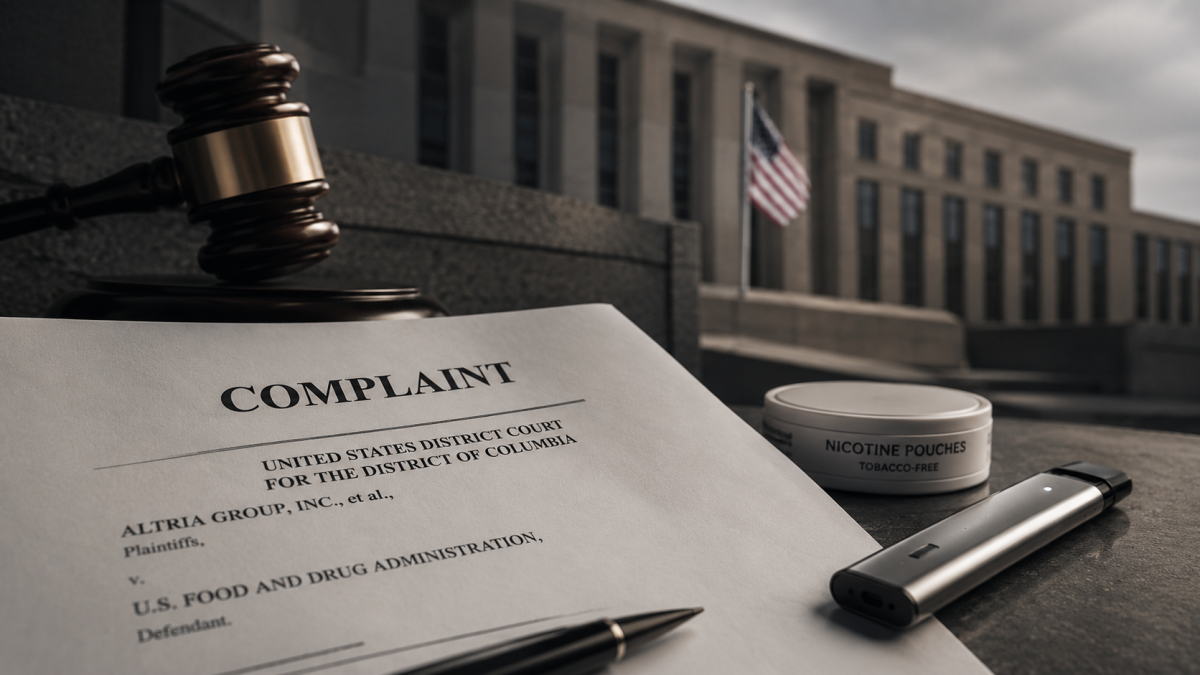
2Firsts reviewed the original federal court complaint filed by Altria subsidiaries Helix Innovations and NJOY on Sept. 2 challenging FDA’s 2021 PMTA rule. The lawsuit questions whether FDA’s review process complies with the Tobacco Control Act’s 180-day timeline, even as the agency moves to accelerate PMTA reviews and issues more marketing orders. Drawing on the complaint, FDA records, government audits and recent court rulings, 2Firsts examines the legal arguments, supporting evidence and potential implications for the U.S. tobacco review system.
Regulations
Sep.03
Product | JNR Launches Shisha Hookah 70K E-Hookah With 60ml E-Liquid and 0.6% Nicotine
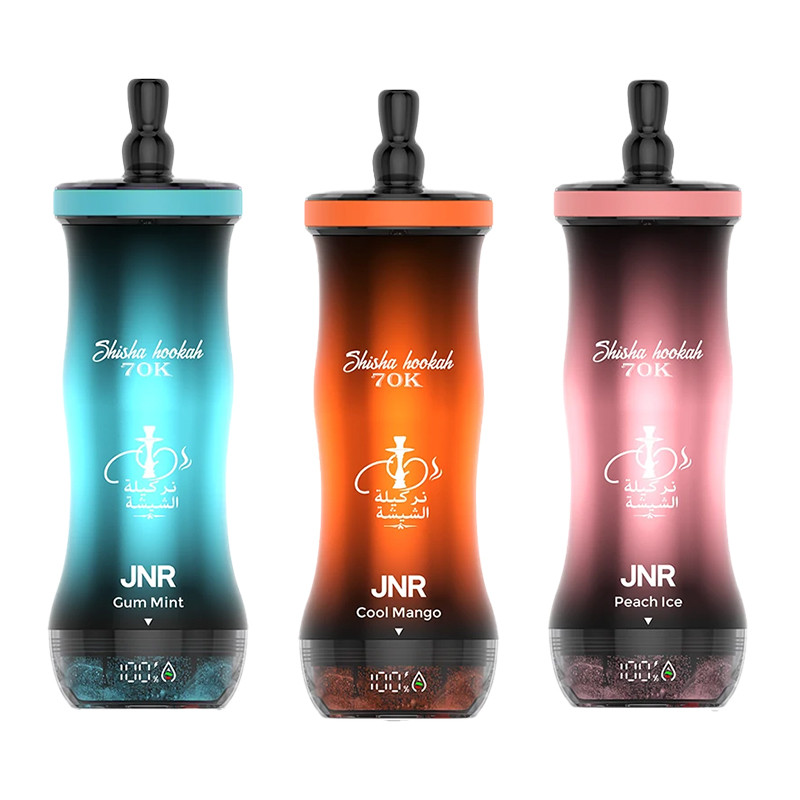
JNR has introduced the Shisha Hookah 70K, a high-capacity rechargeable disposable vape designed around a hookah-inspired experience. The device comes prefilled with 60ml of e-liquid at 6mg/ml (0.6%) nicotine strength, alongside a 1,000mAh rechargeable battery and a 0.38Ω single mesh coil. It also features adjustable airflow and battery and e-liquid level displays. JNR claims the device can deliver up to 70,000 puffs and offers more than 20 flavors. Retail listings for the product have appeared in markets including Tunisia.
Market
Aug.24 by 2Firsts Perspectives
UK Directors Banned After 352,688 Vapes Imported From China Were Misdeclared as Medical Nebulizers in £15 Million Tax Case
The UK Insolvency Service said YSK Enterprises imported large quantities of vapes from China in 2023, with a shipment addressed to the company declared as medical nebulizers before Border Force found 352,688 vaping products. HMRC calculated nearly £15 million ($20.3 million) in unpaid VAT and customs duty, alongside about £437,000 in corporation tax. Two directors were disqualified for nine years. The case predates the UK's Vaping Products Duty, which will introduce vape-specific excise and duty-stamp requirements from October 2026.
Regulations
Sep.11
After Apple Business Decline, South Korea’s ITM Semiconductor Expands KT&G Vape Supply Chain as Vape Revenue Rises 24.8%
South Korean electronics component supplier ITM Semiconductor is reshaping its business portfolio after a decline in Apple-related protection circuit business, expanding its supply of vape devices and cartridges to KT&G. According to News1 on August 18, 2026, ITM’s vape-related revenue rose 24.8% year on year to 75.5 billion won in the first half of 2026. The company began mass production of vape devices at its Cikarang, Indonesia facility in January 2026, strengthening export manufacturing capacity. Meanwhile, Samsung-related protection circuit sales continued to grow, providing support during the transition.
Aug.20
JAMA Study: U.S. Vape Directories Fail to Sustainably Curb Unlisted Sales as Product Shifts May Redistribute Brand Share 2Firsts Recommended
A study by CDC Foundation researchers found no sustained decline in e-cigarette sales across Alabama, Oklahoma and Louisiana, the first three U.S. states to implement e-cigarette directory laws. Louisiana initially saw a significant sales decline, followed by a rebound and a persistent reduction in product availability. Sales also shifted from nontobacco-flavored disposables toward prefilled cartridges, with Vuse Alto driving much of the increase in menthol cartridges. By April 2025, unlisted products still accounted for more than half of e-cigarette nicotine sales in all three states.
Sep.18
India Duty-Free Nicotine Pouch Sales Face Regulatory Test as ZYN, FOX Classification Remains Open
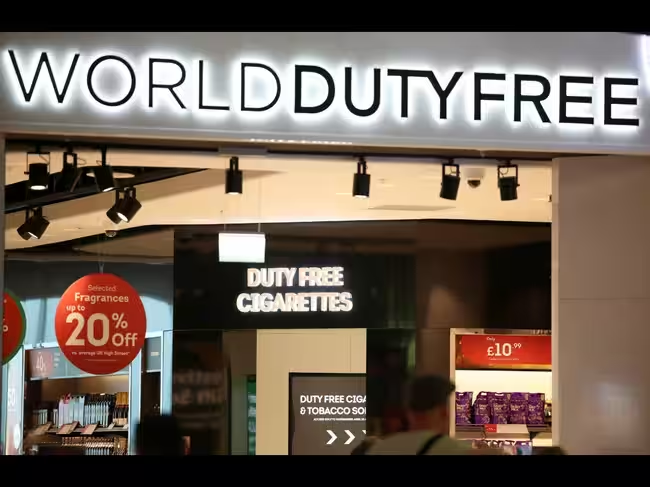
The Bombay High Court has ruled that airport duty-free shops are not exempt from India's domestic regulatory laws merely because they operate beyond the customs barrier, leaving in place a sales halt covering ZYN and FOX nicotine pouches at Mumbai's international airport. The court, however, did not determine that the products necessarily qualify as "drugs" under India's Drugs and Cosmetics Act. The retailers have four weeks to submit product information to the appropriate authorities, including CDSCO, which must complete its review within 30 days of receiving the submissions.
Sep.24