Representing Tobacco
ITGA President Jose Aranda Discusses the Outlook for Tobacco Farmers as Next-Generation Products Gain Ground
Taco Tuinstra, Global Editor in Chief at 2Firsts, reporting from Argentina
When industry veterans say ‘tobacco’ is in their blood, they are not talking about the habit-forming properties of nicotine or the compound’s uncanny ability to simultaneously relax and stimulate. What they mean is that their profession has become a way of life, and that despite the many challenges they cannot imagine any other career path. This sentiment goes a long way to explain the abundance of experience in the industry. Contrary to many other sectors, where workers frequently jump ship, tobacco people tend to stay in the business for a long time, sometimes even passing their trade to the next generation.
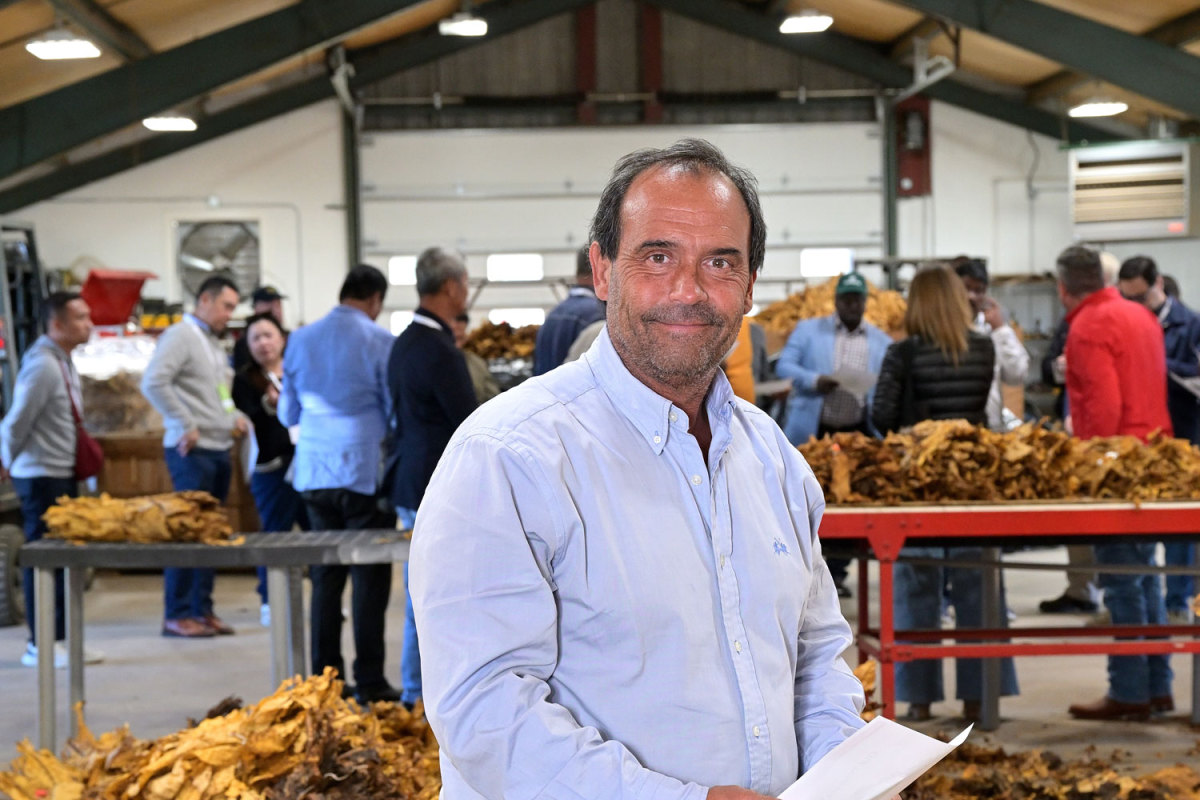
‘Tobacco’ is certainly in the blood of Jose Aranda, who was last year elected for a second term as president of the International Tobacco Growers Association (ITGA). A fifth-generation tobacco grower from Salta, Argentina, Aranda’s family has deep agricultural roots in the Lerma Valley, which was among the first in the region to produce the golden leaf. This heritage, he reflects, is not just professional but personal—"it's part of our identity.”
In addition to leading the ITGA, Aranda serves as the first member of the Cámara del Tabaco de Salta, one of the organization’s founding institutions, and as secretary of the Cooperativa de Productores Tabacaleros de Salta, which plays a central role in Argentina’s tobacco value chain.
On the occasion of its recent cooperation agreement with ITGA, 2Firsts caught up with Aranda and asked him his work at the helm of ITGA, and about the golden leaf’s prospects as next-generation products continue to gain momentum worldwide.
2Firsts: Mr. Aranda, you say your passion for the tobacco crop is generational and linked to its economic significance for your region. Could you elaborate on that?
Aranda: In Argentina, and particularly in Salta, tobacco is not just an agricultural product—it's a cornerstone of rural livelihoods and community structure. In Salta alone, the sector supports approximately 50,000 families, which represents close to 18 percent of the province’s population. This includes direct growers, seasonal workers and those engaged in the supply chain.
Importantly, the industry is linked to a strong social responsibility framework. A large number of initiatives provide seasonal childcare, education and healthcare services to rural families. These programs have been instrumental in reducing child labor risks and fostering inclusive rural development.
Structurally, the sector in very well coordinated in Salta. We have two processing plants, offer collective crop insurance and mutual support systems, and utilize bulk-curing technology via centralized drying centers. This institutional backbone allows farmers to manage climate risks and stabilize income—essential in a region where weather patterns can be unpredictable.
2Firsts: Why is it important to have an international tobacco growers association? Does the fact that some origins compete with one another present a challenge in cooperating internationally?
Aranda: The formation of ITGA in 1984 was a visionary step by leading tobacco-growing countries. Despite our competitive positions in global markets, growers across continents share remarkably similar challenges—rising input costs, environmental pressures and regulatory uncertainty.
The ITGA provides a unique forum where we can unite behind common goals. Solidarity amplifies our voice in global discussions and helps us defend the interests of growers, who are too often marginalized in policy debates. The fact that we continue to attract new members is a clear indication that growers see real value in international collaboration. ITGA remains the only organization of its kind—innovative, inclusive and focused on farmer needs.
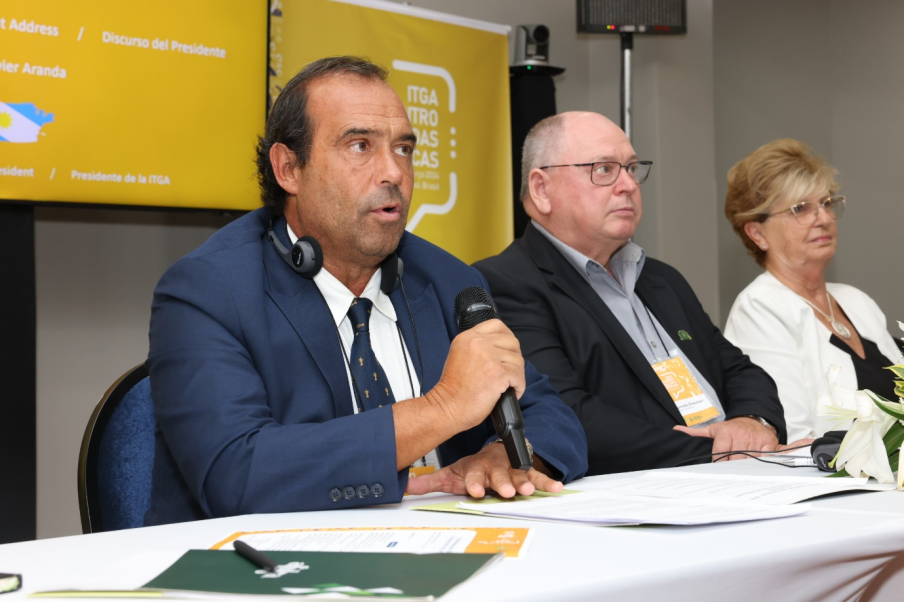
2Firsts: What have been your priorities since becoming ITGA president? How much progress have you made in achieving them?
Aranda: My priority has been to strengthen ITGA members’ unity and stability. This is a unique platform created by farmers’ association 40 years ago and we cannot take for granted this enormous legacy.
On the other hand, I have tried to promote the Argentine model of sectoral support—specifically, Law No. 19,800, which created the Fondo Especial del Tabaco (Special Tobacco Fund). This law mandates a fixed contribution from every pack of cigarettes sold, of which a guaranteed percentage is allocated to growers. It’s a mechanism that protects producers and ensures sustainability across campaigns. I believe this is a model other tobacco-producing nations could successfully adapt to local contexts that could provide a base of stability for growers in the ever-changing marketing dynamics.
Establishing dialogue with the World Health Organization has also been part of my advocacy targets. It’s critical that policymakers understand the socioeconomic realities faced by growers, and we must move beyond adversarial narratives. Farmers need to be included in discussions, not treated as collateral in global policy shifts.
2Firsts: What do you consider to be the three greatest common challenges facing tobacco farmers worldwide?
Aranda: The three greatest challenges are sustainable production, generational transition and climate resilience.
Farmers are struggling with rising costs—fertilizers, labor, and compliance—while prices in some markets do not reflect these increases. Sustainable farming must be economically viable.
Meanwhile, the average age of tobacco growers continues to rise. Without strategies to retain young farmers, the continuity of this profession is at risk.
At the same time, increasingly erratic weather and extreme climate events pose direct threats to crop yields. Farmers must adapt quickly, and support mechanisms must be put in place.
2Firsts: Tobacco farmers face pressure to switch to other crops. What are the greatest challenges to replacing tobacco? Are there examples of successful transitions? Are there illustrations of failure?
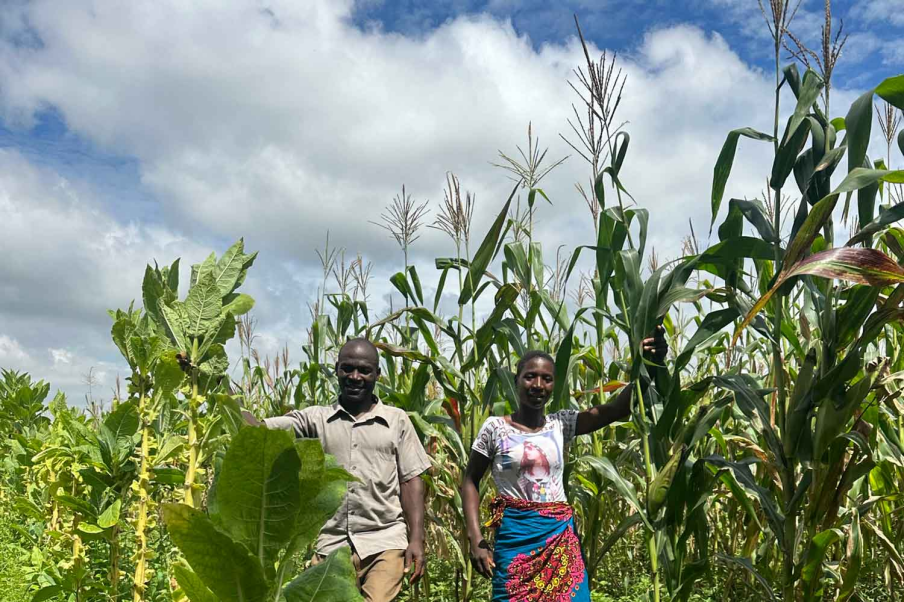
Aranda: It’s important to recognize that most tobacco farmers already engage in diversified farming. Tobacco is rarely a monoculture—it's part of a broader rural economy that includes food crops, livestock and others, depending on the region.
That said, tobacco remains unique in several ways: it can be grown on marginal soils, has a predictable market, and provides stable returns in areas where few other crops do. Transitioning away from tobacco is not a one-size-fits-all process. Attempts to force diversification without viable alternatives have often failed.
Kenya is often cited by international agencies as a success story, but its total tobacco production is relatively low and the lessons are not easily transferable to high-dependency countries like Malawi, where tobacco remains the top foreign exchange earner. The nuances must be respected—local context matters greatly.
2Firsts: ITGA has highlighted the problem of misinformation surrounding tobacco growing. What are the most common misperceptions about the sector? How are you addressing such misinformation?
Aranda: Misinformation is widespread and often driven by ideological rather than evidence-based narratives. Common myths include the assumption that all tobacco farming involves child labor or that growers are universally impoverished or exploited. These are not only inaccurate—they actively undermine the voices of responsible producers and the progress being made.
We actively combat this through transparency and education. Our “Myths and Facts” campaign—available on our website—clearly separates unfounded claims from reality. We also publish various pieces of information to ensure the truth about our work is accessible and defensible.
2Firsts: Like other segments of the supply chain, tobacco growers are often excluded from important discussions about the sector. How is ITGA helping to make the growers voice heard?
Aranda: Ensuring that growers’ voices are heard is one of the core missions of the ITGA. Too often, those who cultivate tobacco are left out of key policy discussions that directly impact their livelihoods. We see it as our responsibility to change that.
We use all available tools—our communication platforms, international meetings, publications, and direct engagement with governments and institutions—to advocate for growers. Importantly, we strive to position ITGA as a trusted partner to governments, because farmers are the ones who truly understand the realities on the ground, and policymakers are the ones shaping the future. We must work together at all levels.
Growers are not just participants in this industry—they are its foundation. That’s why we believe their experience and insight should be central in shaping sustainable, fair, and realistic tobacco policy worldwide.
2Firsts: How do you view the rise of next-generation tobacco products? Are they purely a threat, given that they require less leaf tobacco, or do also they present opportunities to your members?
Aranda: Next-generation products are now a permanent fixture in the global tobacco landscape. While some of these products require less tobacco leaf, others—particularly heated tobacco—still depend on high-quality leaf inputs. At ITGA, we closely monitor these developments and share regular updates with our members through meetings and publications.
Despite the growth of alternatives, traditional leaf-based products continue to dominate global consumption. Current forecasts indicate that demand for leaf tobacco will remain stable for the foreseeable future. As such, growers continue to play an essential role in the supply chain. That said, it is critical for us to remain proactive, not reactive, as the market evolves.
2Firsts: What do you consider to be ITGA’s most pressing tasks this year, and how will you be tackling those tasks?
Aranda: The supply and demand equilibrium is always at the top of our agenda. Understanding the global market dynamic and owning reliable information is key for supply chains. This has been a challenge, as growers have traditionally focused on their local markets, lacking visibility into the broader picture—an information gap that puts them at a disadvantage. ITGA has invested considerably in becoming the farmers’ information hub. Our latest initiative is the Tobacco Compass—a digital tool offering in-depth insights into the world’s major tobacco-growing regions. We sourced the information directly from the farmers’ base. Once out, it will be unique and very legitimate as a tool of advocacy.
Ensuring that growers are adequately represented at COP11, the 11th Conference of the Parties to the WHO Framework Convention on Tobacco Control is also part of our overall year strategy. These forums shape global tobacco policy, yet farmers are consistently excluded or underrepresented. We are mobilizing our network to engage with national delegations, present evidence-based research, and advocate for the inclusion of grower perspectives in all discussions related to Article 17 and 18, which directly concern livelihoods and environmental impacts.
Click to read the ITGA special report: