Key Points
- Scope: Targets single-use closed-system vapes and nicotine-containing e-liquids.
- FDA Authorization Requirement: Only FDA-approved or under-review products may be sold; currently, only 39 vape products are FDA-authorized.
- Industry Impact: Most products on the market are not FDA-authorized, meaning existing inventory could soon become illegal.
- Protecting Youth: Packaging imitating cartoons, superheroes, or candy/cake designs is prohibited.
- Penalties: Illegal products may be seized; retailers face significant fines and possible license revocation.
- Effective Date: Law takes effect September 1, with a two-month grace period until full enforcement begins on November 1.
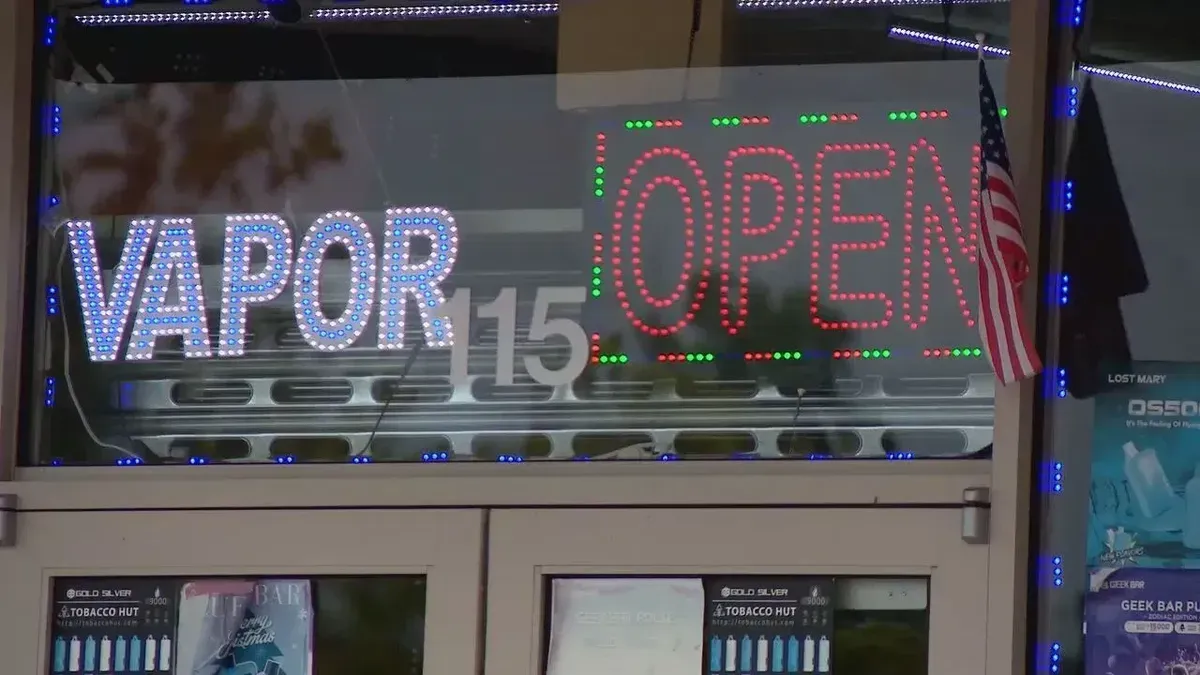
According to KATV on August 27, Arkansas will implement Act 590 starting September 1, restricting the sale of certain vape and e-liquid products. The law specifically targets single-use closed-system vapes and nicotine-containing e-liquids, requiring retailers to sell only those products approved or under review by the U.S. Food and Drug Administration (FDA).
Arkansas Tobacco Control (ATC) spokesperson Scott Hardin said:
“Right now, there are vape products from all over the world being sold in these stores, and frankly, we don’t know what’s in them.”
ATC had already notified licensed retailers in May that some of their inventory would soon become illegal.
“If it’s not on the approved list, retailers simply can’t sell it,” Hardin said, adding that ATC will publish a list of approved products. As of now, the FDA has authorized only 39 e-cigarette products.
Hardin explained that about a dozen companies have applied for review so far, with nine products approved at the state level. A study by the non-profit health organization Truth Initiative found that over 80% of e-cigarette and vape products sold in the U.S. in 2024 were not FDA-authorized.
Hardin emphasized:
“Ultimately, the legislature passed this law to protect Arkansans.”
The law also explicitly bans any marketing tactics targeting minors, including packaging that uses cartoon characters, superheroes, or names such as “cake” and “candy.”
He warned that violators would face strict consequences:
“If you do have these products, they will be seized, and you’re looking at potentially significant fines, up to the point of permit revocation.”
Although the law will take effect on September 1, Hardin noted that retailers will have until November 1 before full enforcement begins.
We welcome news tips, article submissions, interview requests, or comments on this piece.
Please contact us at info@2firsts.com, or reach out to Alan Zhao, CEO of 2Firsts, on LinkedIn
Notice
1. This article is intended solely for professional research purposes related to industry, technology, and policy. Any references to brands or products are made purely for objective description and do not constitute any form of endorsement, recommendation, or promotion by 2Firsts.
2. The use of nicotine-containing products — including, but not limited to, cigarettes, e-cigarettes, nicotine pouchand heated tobacco products — carries significant health risks. Users are responsible for complying with all applicable laws and regulations in their respective jurisdictions.
3. This article is not intended to serve as the basis for any investment decisions or financial advice. 2Firsts assumes no direct or indirect liability for any inaccuracies or errors in the content.
4. Access to this article is strictly prohibited for individuals below the legal age in their jurisdiction.
Copyright
This article is either an original work created by 2Firsts or a reproduction from third-party sources with proper attribution. All copyrights and usage rights belong to 2Firsts or the original content provider. Unauthorized reproduction, distribution, or any other form of unauthorized use by any individual or organization is strictly prohibited. Violators will be held legally accountable.
For copyright-related inquiries, please contact: info@2firsts.com
AI Assistance Disclaimer
This article may have been enhanced using AI tools to improve translation and editorial efficiency. However, due to technical limitations, inaccuracies may occur. Readers are encouraged to refer to the cited sources for the most accurate information.
We welcome any corrections or feedback. Please contact us at: info@2firsts.com