According to a report by Vice on February 28th, on January 1st of this year, the Australian federal government paid several Australian "influencers" on social media platforms such as Instagram, TikTok, YouTube, and Twitter to create and promote anti-e-cigarette content in order to combat the influence of "e-cigarette influencers" backed by tobacco companies.
The government has launched a campaign aimed at influential teenagers in the e-cigarette movement targeting a demographic of 14 to 20-year-olds. The goal is to combat misinformation about e-cigarettes on social media and spark conversations with the next generation of Australians about the dangers of e-cigarettes and nicotine addiction. Various celebrities from different industries are participating in this campaign, including sports star Ellyse Perry, gamer Jackbuzza, actress Ella Watkins, and comedy duo Fairbairn brothers.
Australian Health Minister Mark Butler stated in a press release that there is a flood of "misleading e-cigarette promotion driven by tobacco companies" on social media. Influencers who have already been involved have caught the attention of young Australians, and they will authentically convey the risks of e-cigarettes in their own unique style.
It's obvious that teenagers aren't watching TV or listening to the health minister's speeches, which is why we're collaborating with influential people that young people actually listen to: from comedians to sports stars and gamers, everyone in between," Butler said.
The majority of e-cigarette users in Australia are young people. Nearly half of 18-24 year olds have tried e-cigarettes, and promotion on social media is one of the many factors contributing to the rapid spread of e-cigarettes. The #vape tag on TikTok has been used over 18 billion times, making it easy to find content showing people vaping or discussing new products and flavors. This is in contrast to Australia's ban on smoking promotion or advertising since the 1970s.
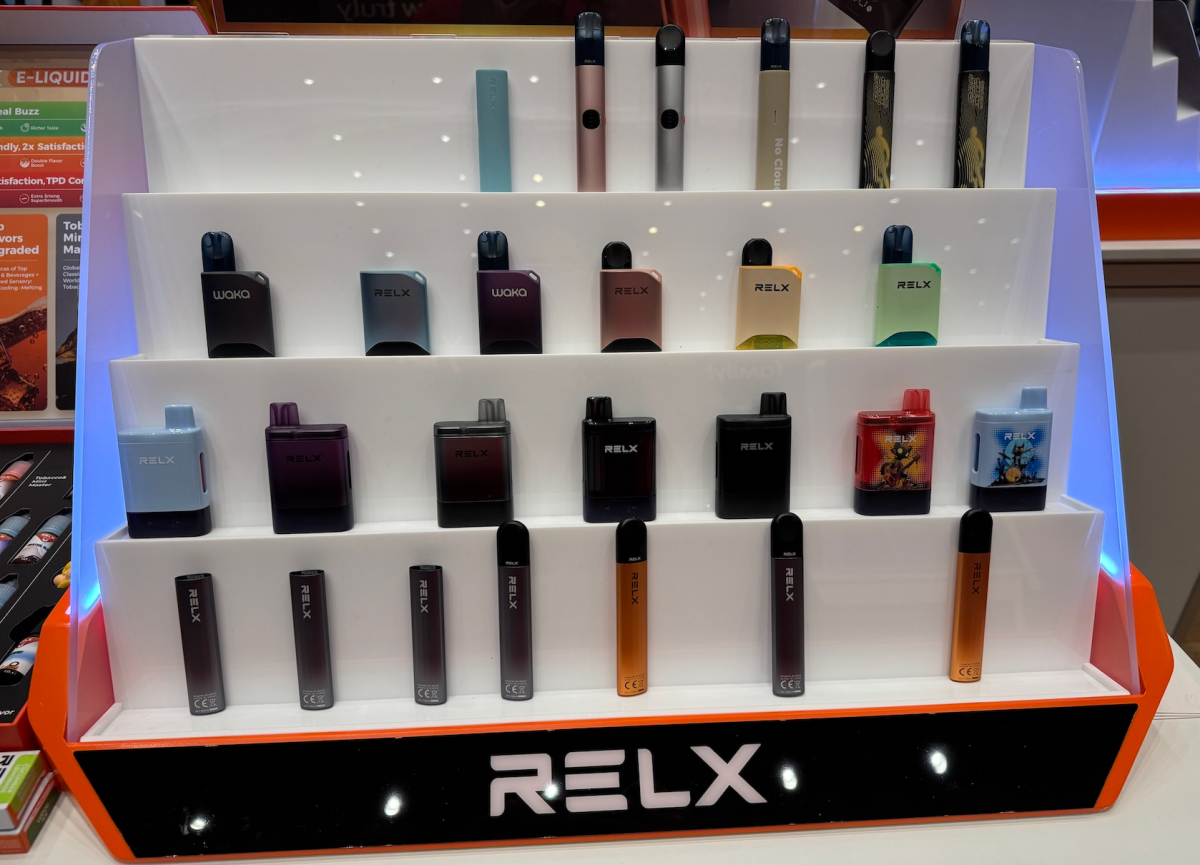
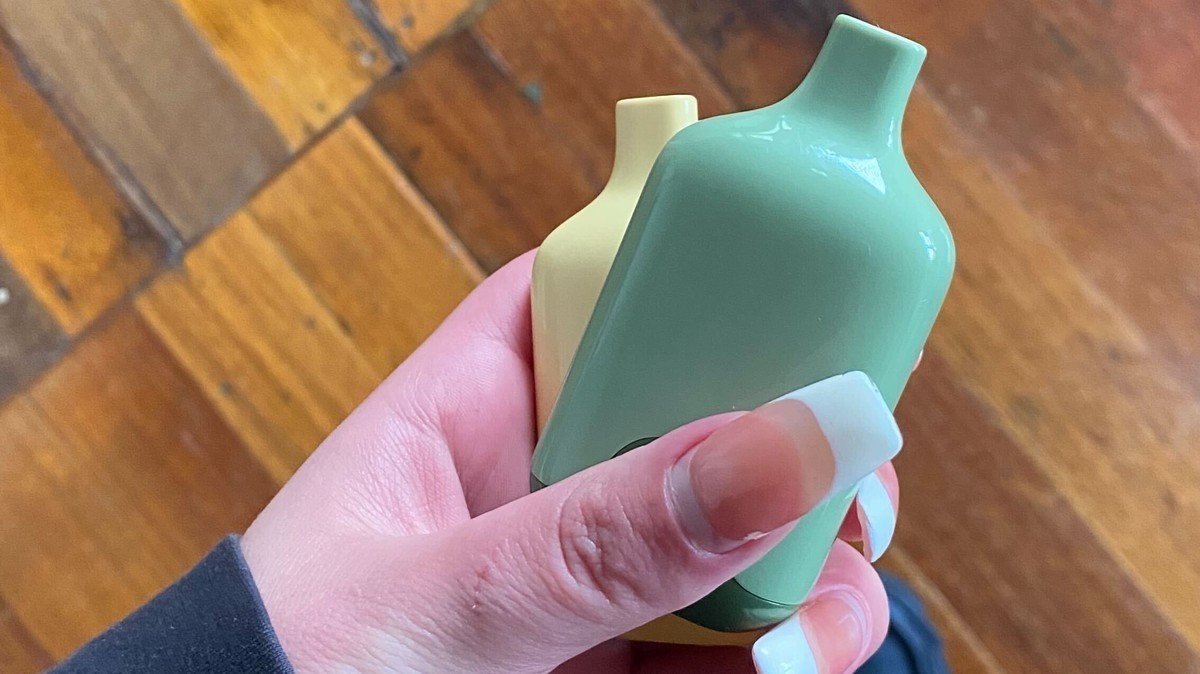
Since 2024, the sale, purchase, and import of e-cigarettes without a doctor's prescription have been illegal, but e-cigarettes have been widely sold in major convenience stores. This is because in Australia, almost all e-cigarettes available for purchase are labeled as "nicotine-free" or simply omit nicotine from the ingredients list. However, this loophole was closed on January 1st, and all disposable e-cigarettes, regardless of whether their labels disclose nicotine content, are now considered illegal.
The new teenage initiative is being conducted simultaneously with the government's second phase e-cigarette law reform on March 1. Starting this weekend, all importers must have a medical goods license, and the safety quality standards for any legal, prescription e-cigarettes will be enhanced. Over the next few weeks, the Australian government will also introduce legislation to make the domestic production, advertising, supply, and commercial ownership of non-therapeutic disposable e-cigarettes illegal.
We welcome news tips, article submissions, interview requests, or comments on this piece.
Please contact us at info@2firsts.com, or reach out to Alan Zhao, CEO of 2Firsts, on LinkedIn
Notice
1. This article is intended solely for professional research purposes related to industry, technology, and policy. Any references to brands or products are made purely for objective description and do not constitute any form of endorsement, recommendation, or promotion by 2Firsts.
2. The use of nicotine-containing products — including, but not limited to, cigarettes, e-cigarettes, nicotine pouchand heated tobacco products — carries significant health risks. Users are responsible for complying with all applicable laws and regulations in their respective jurisdictions.
3. This article is not intended to serve as the basis for any investment decisions or financial advice. 2Firsts assumes no direct or indirect liability for any inaccuracies or errors in the content.
4. Access to this article is strictly prohibited for individuals below the legal age in their jurisdiction.
Copyright
This article is either an original work created by 2Firsts or a reproduction from third-party sources with proper attribution. All copyrights and usage rights belong to 2Firsts or the original content provider. Unauthorized reproduction, distribution, or any other form of unauthorized use by any individual or organization is strictly prohibited. Violators will be held legally accountable.
For copyright-related inquiries, please contact: info@2firsts.com
AI Assistance Disclaimer
This article may have been enhanced using AI tools to improve translation and editorial efficiency. However, due to technical limitations, inaccuracies may occur. Readers are encouraged to refer to the cited sources for the most accurate information.
We welcome any corrections or feedback. Please contact us at: info@2firsts.com