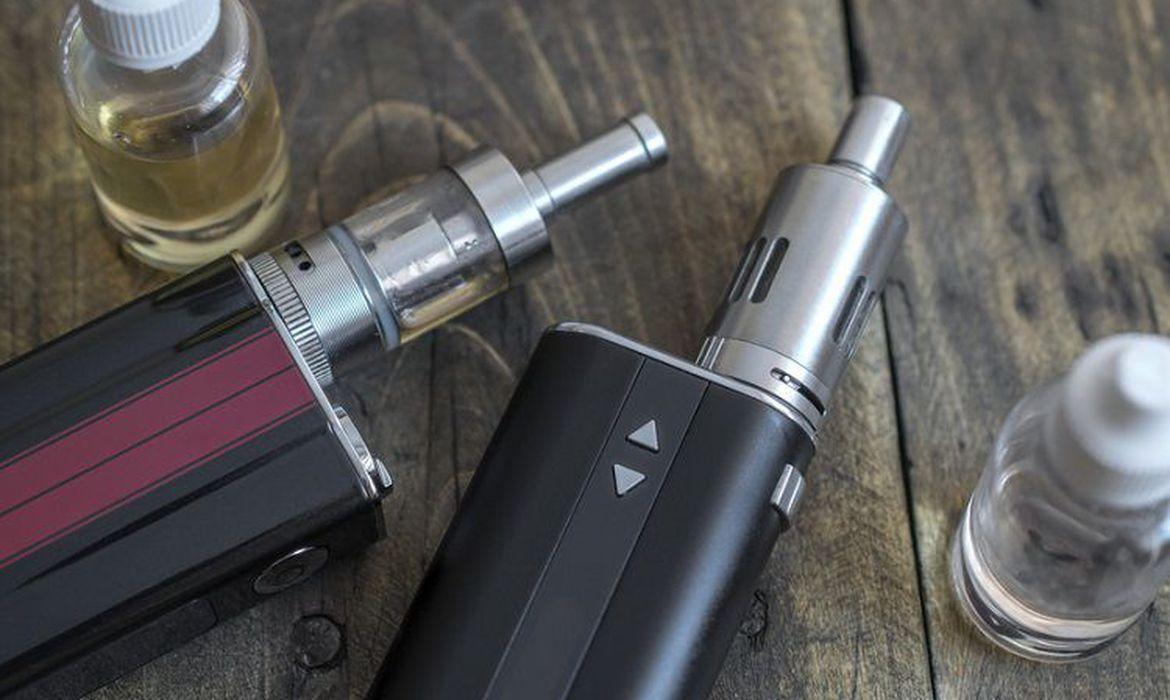
According to a report by Hojeemdia on April 24th, the Brazilian National Health Surveillance Agency (Anvisa) issued a resolution on Wednesday (24th) prohibiting the manufacturing, importing, selling, distributing, storing, transporting, and promoting of e-cigarette devices. The ban includes all forms of e-cigarette devices and prohibits any form of importation, including personal luggage. Violations of this regulation will be considered violations of health regulations.
In the most recent plenary meeting, Anvisa's five directors voted to uphold the ban on e-cigarettes that has been in place in Brazil since 2009. This decision means that all types of imports will continue to be prohibited, including for personal use. Anvisa director Antonio Barra Torres spent two hours reviewing opinions from 32 Brazilian scientific associations, along with those from the Ministry of Health, Ministry of Justice, Ministry of Public Security, and Ministry of Finance. He also referenced the results of a public consultation held from December 2023 to February of this year. In his report, Barra Torres cited documents from the World Health Organization and the European Union, as well as the decision by the Belgian government to ban the sale of all heated tobacco products with tobacco flavor and odor additives. He also mentioned that this week, the UK passed a bill to prohibit people born after January 1, 2009, from purchasing cigarettes.
Representative Socorro Gross from Brazil's National Health Organization stated that Brazil has been internationally recognized since the last century for its domestic smoking control policies.
This measure can protect people, save lives, effectively promote public health, and for everyone, it is a crucial step towards a healthier, safer environment.
Lauro Anhezini Júnior, the director of British American Tobacco in Brazil, has expressed his belief that the ban treats consumers as second-class citizens. He is calling for a review of the decision-making process to ensure that it is based on science.
This is not only supported by scientists in our industry, but independent scientists in this country have also confirmed that these products can reduce risks. Compared to continuing to smoke traditional cigarettes, e-cigarettes pose lower health risks.
Fabio Sabba, Communications Director of Philip Morris Brazil, stated that the current ban is unable to prevent the significant increase in the domestic illegal market and smuggling.
In a situation of uncontrolled market growth, Anvisa failed to fulfill its role of ensuring that the 4 million or more Brazilians consume products that comply with established regulatory standards. It overlooked the market's own requirements for consumer quality regulations.
We welcome news tips, article submissions, interview requests, or comments on this piece.
Please contact us at info@2firsts.com, or reach out to Alan Zhao, CEO of 2Firsts, on LinkedIn
Notice
1. This article is intended solely for professional research purposes related to industry, technology, and policy. Any references to brands or products are made purely for objective description and do not constitute any form of endorsement, recommendation, or promotion by 2Firsts.
2. The use of nicotine-containing products — including, but not limited to, cigarettes, e-cigarettes, nicotine pouchand heated tobacco products — carries significant health risks. Users are responsible for complying with all applicable laws and regulations in their respective jurisdictions.
3. This article is not intended to serve as the basis for any investment decisions or financial advice. 2Firsts assumes no direct or indirect liability for any inaccuracies or errors in the content.
4. Access to this article is strictly prohibited for individuals below the legal age in their jurisdiction.
Copyright
This article is either an original work created by 2Firsts or a reproduction from third-party sources with proper attribution. All copyrights and usage rights belong to 2Firsts or the original content provider. Unauthorized reproduction, distribution, or any other form of unauthorized use by any individual or organization is strictly prohibited. Violators will be held legally accountable.
For copyright-related inquiries, please contact: info@2firsts.com
AI Assistance Disclaimer
This article may have been enhanced using AI tools to improve translation and editorial efficiency. However, due to technical limitations, inaccuracies may occur. Readers are encouraged to refer to the cited sources for the most accurate information.
We welcome any corrections or feedback. Please contact us at: info@2firsts.com