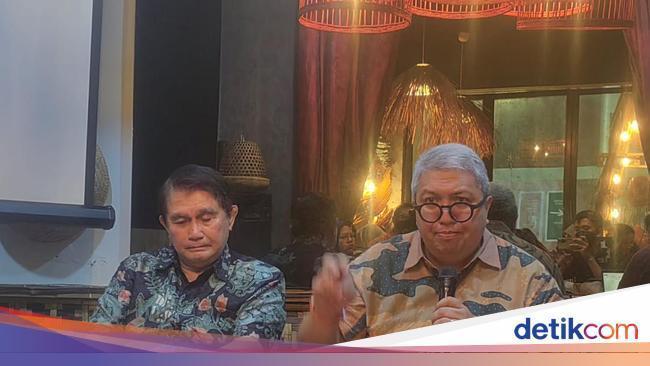
According to Indonesian media Detik Finance on May 7th, the Indonesian White Cigarette Industry Association (Gaprindo) has protested against the government regulations on tobacco products set by the Ministry of Health. The regulations are feared to threaten the tobacco industry, which has been contributing to the country's treasury revenue.
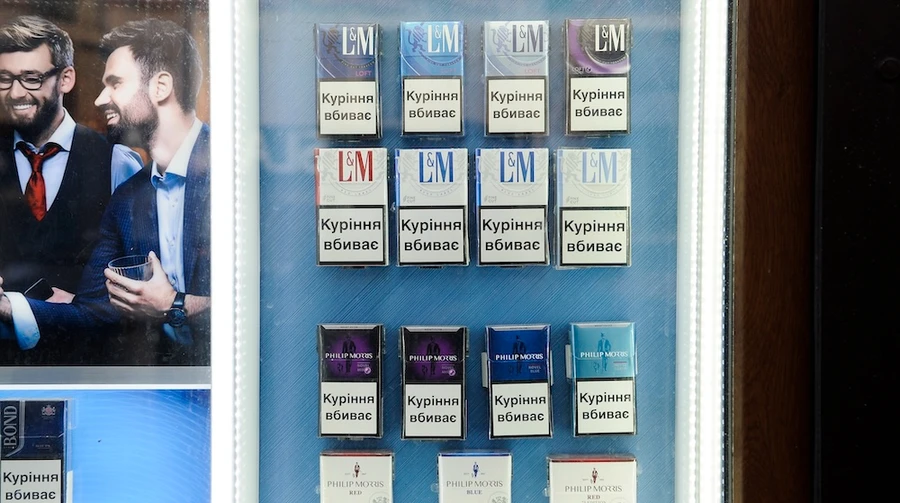
The President of the National Association, Benny Wachyudi, stated that the most controversial regulation is the ban on selling tobacco within 200 meters of educational institutions. "The government is preparing to implement regulations related to both the modern and traditional markets, especially in terms of display and location, with specific prohibitions on market locations within 200 meters of schools or educational institutions.
Despite the strengthened tobacco control measures, the government is still collecting tobacco taxes. Bani stated that tobacco tax revenue reached 2.18 trillion rupees in 2023.
Tobacco is a legal product, protected by law, and the taxes we pay on it each year account for 10-11% of the government's revenue, which was 218 trillion rupees in 2023. Tax revenue remains a major source of income for the country. He also added that there are 5 million people employed in this industry.
Chairman of the Indonesian Retailers Association, Roy Nicholas Mandey, mentioned the huge contribution of tobacco taxes to the country's income. The amount of nearly 220 trillion rupees is almost half of the 460 trillion rupees budget for the new capital project. Roy believes that the regulation prohibiting the sale of cigarettes within 200 meters may be interpreted in various ways, and could potentially weaken the tobacco trade sector.
A provision in the health bill is weakening the tobacco trade sector. The provision states that tobacco transactions must be restricted to certain areas, prohibiting trading in places such as educational, religious, and government-mandated locations that require a 200-meter distance. Roy expressed concerns about the methods of determining this provision, including who has the authority to decide. If this provision is enforced, the avenues for tobacco sales will become narrower.
We welcome news tips, article submissions, interview requests, or comments on this piece.
Please contact us at info@2firsts.com, or reach out to Alan Zhao, CEO of 2Firsts, on LinkedIn
Notice
1. This article is intended solely for professional research purposes related to industry, technology, and policy. Any references to brands or products are made purely for objective description and do not constitute any form of endorsement, recommendation, or promotion by 2Firsts.
2. The use of nicotine-containing products — including, but not limited to, cigarettes, e-cigarettes, nicotine pouchand heated tobacco products — carries significant health risks. Users are responsible for complying with all applicable laws and regulations in their respective jurisdictions.
3. This article is not intended to serve as the basis for any investment decisions or financial advice. 2Firsts assumes no direct or indirect liability for any inaccuracies or errors in the content.
4. Access to this article is strictly prohibited for individuals below the legal age in their jurisdiction.
Copyright
This article is either an original work created by 2Firsts or a reproduction from third-party sources with proper attribution. All copyrights and usage rights belong to 2Firsts or the original content provider. Unauthorized reproduction, distribution, or any other form of unauthorized use by any individual or organization is strictly prohibited. Violators will be held legally accountable.
For copyright-related inquiries, please contact: info@2firsts.com
AI Assistance Disclaimer
This article may have been enhanced using AI tools to improve translation and editorial efficiency. However, due to technical limitations, inaccuracies may occur. Readers are encouraged to refer to the cited sources for the most accurate information.
We welcome any corrections or feedback. Please contact us at: info@2firsts.com