Kyrgyzstan Implements New Smoking Ban Law, Effective 4th March

Regulations by 2FIRSTS.ai
Mar.05.2024
Kyrgyzstan Implements New Smoking Ban Law, Effective 4th March
Kyrgyzstan implements new smoking law prohibiting smoking in public areas, including hookah, e-cigarettes, with designated smoking zones.

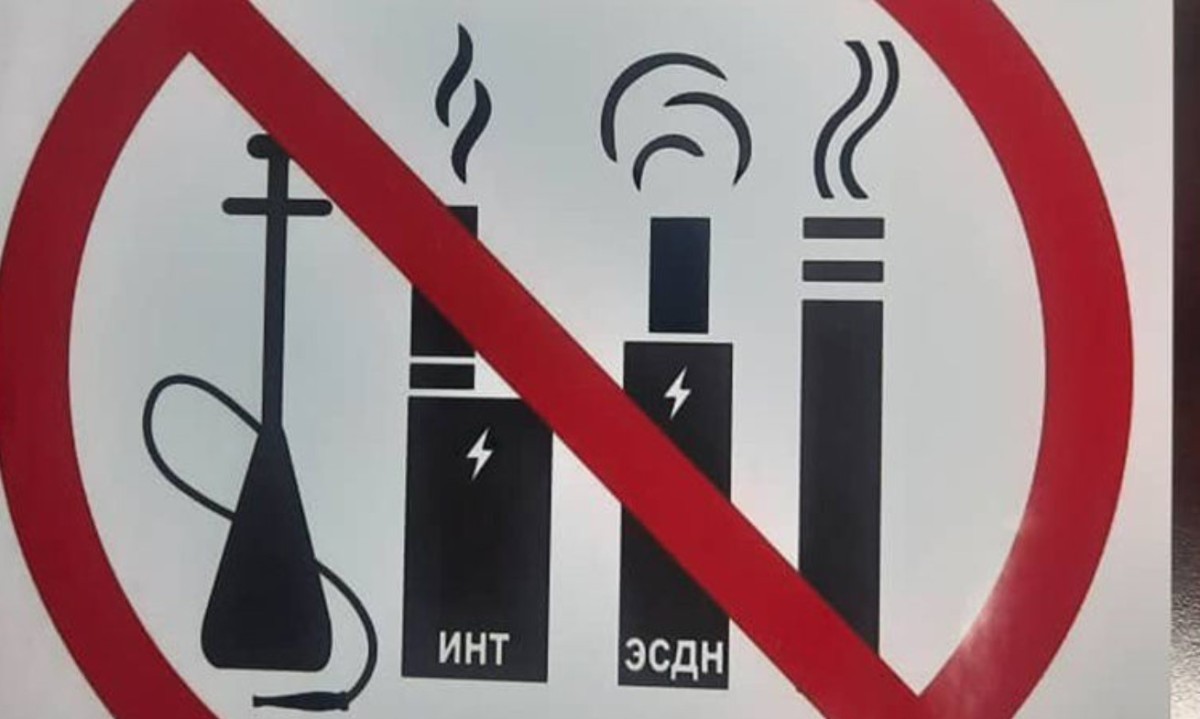
According to a report on March 4th, Kyrgyzstan has implemented a new smoking ban law. The law prohibits smoking in public places, including the use of hookahs, heated tobacco devices, e-cigarettes, and other tobacco products.


According to the new regulations, smoking in public places is prohibited, but there will be specially designated smoking areas. In addition to airport buildings, specific smoking areas can be designated in train station buildings, bus stations, as well as buildings, structures, and rooms in work areas, and facilities must be equipped in accordance with health and fire safety regulations.


According to the law, designated smoking areas in public places are established and managed by local government agencies.


For individuals smoking in undesignated areas, the fines have been raised from 10 to 30 calculation units. Similarly, fines for violating regulations protecting the public from the harm of tobacco products, as well as regulations on the sale and distribution of tobacco products, have also been increased.


The new law will take effect seven days after its formal announcement.


We welcome news tips, article submissions, interview requests, or comments on this piece.

Please contact us at info@2firsts.com, or reach out to Alan Zhao, CEO of 2Firsts, on LinkedIn


Notice

1.  This article is intended solely for professional research purposes related to industry, technology, and policy. Any references to brands or products are made purely for objective description and do not constitute any form of endorsement, recommendation, or promotion by 2Firsts.

2.  The use of nicotine-containing products — including, but not limited to, cigarettes, e-cigarettes, nicotine pouchand heated tobacco products — carries significant health risks. Users are responsible for complying with all applicable laws and regulations in their respective jurisdictions.

3.  This article is not intended to serve as the basis for any investment decisions or financial advice. 2Firsts assumes no direct or indirect liability for any inaccuracies or errors in the content.

4.  Access to this article is strictly prohibited for individuals below the legal age in their jurisdiction.


Copyright


This article is either an original work created by 2Firsts or a reproduction from third-party sources with proper attribution. All copyrights and usage rights belong to 2Firsts or the original content provider. Unauthorized reproduction, distribution, or any other form of unauthorized use by any individual or organization is strictly prohibited. Violators will be held legally accountable.

For copyright-related inquiries, please contact: info@2firsts.com


AI Assistance Disclaimer


This article may have been enhanced using AI tools to improve translation and editorial efficiency. However, due to technical limitations, inaccuracies may occur. Readers are encouraged to refer to the cited sources for the most accurate information.

We welcome any corrections or feedback. Please contact us at: info@2firsts.com

Imperial Brands Explains What the UK Tobacco and Vapes Act 2026 Means for Retailers
Imperial Brands has outlined what the newly approved UK Tobacco and Vapes Act 2026 means for retailers. The legislation received Royal Assent on April 29, 2026, and gives the Government powers to extend tobacco-style regulation to a wider range of products, including vaping products, heated tobacco, nicotine pouches and cigarette papers. Imperial Brands emphasized that most measures will be introduced in phases rather than taking effect immediately.
May.11 by 2FIRSTS.ai
 Philip Morris Lowers Profit Outlook as Zyn Faces Competition and FDA Delays
Philip Morris Lowers Profit Outlook as Zyn Faces Competition and FDA Delays
According to Reuters, Philip Morris International (PMI) lowered its 2026 adjusted earnings-per-share forecast amid regulatory uncertainty around Zyn nicotine pouches, rising competition and shipment pressure in the U.S. market.
PMI
Jun.02
PMI Highlights 43 Million Smoke-Free Users at Stockholm Summit
Philip Morris International says about 43 million adults worldwide now use its smoke-free products, with nearly 70% having stopped using cigarettes and smoke-free products accounting for about 43% of its net revenues.
Jun.18
Illicit Vape and Nicotine Pouch Seizures Concentrated in UK Hotspots, New Data Shows
Freedom of Information (FOI) data from the UK shows that more than 3,000 seizures of illegal nicotine products were recorded in the 2024/25 financial year, with Hull, Liverpool and Bolton emerging as the most active enforcement hotspots — highlighting that the problem of illicit vapes, nicotine pouches and smokeless tobacco products persists across many parts of the country.
Jun.16
One Nation Proposes 50% Tobacco Excise Cut as Australia’s Illicit Market Expands
Australian One Nation leader Pauline Hanson has proposed cutting tobacco excise by 50% and freezing indexation until June 30, 2028, in a bid to lower legal cigarette prices and reduce the price advantage of the illicit tobacco market.
Jun.18
Nature Health Comment Urges Wider Role for Smoke-Free Nicotine Products in Tobacco Control
Ahead of World No Tobacco Day, a Nature Health Comment by Robert Beaglehole, Ruth Bonita and Tikki Pang argues that regulated smoke-free nicotine products could help accelerate the global decline in smoking. The authors propose a “smoke-free 2040” goal and call for risk-proportionate regulation distinguishing cigarettes from lower-risk nicotine alternatives.
News
May.20