Malaysian PAS Youth Committee Urges Ban on E-cigarette Sales

May.16.2025
Malaysian PAS Youth Committee Urges Ban on E-cigarette Sales
The Youth Wing of Malaysia’s Pahang state Islamic Party (PAS) has urged the state government to legislate a ban on the sale and use of e-cigarettes to protect youth from nicotine addiction. The committee's chairman called on the government to follow the example of other states in restricting e-cigarette sales to minors.

Key points:


1.Legislation calls for: The Youth Committee of the Islamic Party of Malaysia (PAS) in Pahang is urging the state government to legislate a ban on the sale and use of e-cigarettes in order to protect young people from the threat of nicotine addiction.


2.Seriousness of the issue: Chairman of the committee, Ustaz Mohd Zarimi, emphasized that the growing trend of e-cigarette use among teenagers and students is concerning, and its prevalence has become widespread.


3.Enforcement and regulatory loopholes: E-cigarettes are widely sold through digital platforms and physical stores, lacking sufficient regulatory oversight and enforcement efforts.


4.Local Action Initiative: Calls for Pahang state to refer to restrictions implemented in other states (such as Johor, Kelantan, Terengganu, and recently in Selangor), and to implement preventive measures.


5.Comprehensive recommendations: strengthen law enforcement and community supervision, restrict the sale of e-cigarettes to minors, and collaborate with government, educational institutions, non-governmental organizations, mosques, and communities to launch a comprehensive public awareness campaign.


According to a report from Harakahdaily on May 15th, the PAS Youth Committee in Pahang state has urged the state government to legislate banning the sale and use of e-cigarettes to protect young people from the threat of nicotine addiction.


Committee chairman Ustaz Mohd Zarimi Abu Zih Al-Hafiz expressed concerns over the increasing trend of e-cigarette use among teenagers and students. He stated that the widespread dissemination of e-cigarettes has become a serious threat to public health, social welfare, and the future development of young people.


Zarimi pointed out that e-cigarettes are widely sold through digital platforms and physical stores, lacking sufficient regulation and enforcement, revealing weaknesses in state-level regulation and enforcement. He emphasized that this issue requires immediate action from the state government.


The committee is urging the Pahang Chief Minister and state assembly members, especially those responsible for health and education, to consider implementing effective preventive measures similar to those in other states (such as Johor, Kelantan, Terengganu, and most recently, Selangor). The state government needs to enhance law enforcement and community supervision, restrict the sale of e-cigarettes to minors, and collaborate with government agencies, educational institutions, non-governmental organizations, mosques, and communities to conduct comprehensive awareness campaigns to educate the public about the dangers of e-cigarettes.


Zarimi stated that these efforts adhere to Islamic law principles, aimed at upholding life and morality, and are an investment in the long-term well-being of Pahang state.


We welcome news tips, article submissions, interview requests, or comments on this piece.

Please contact us at info@2firsts.com, or reach out to Alan Zhao, CEO of 2Firsts, on LinkedIn


Notice

1.  This article is intended solely for professional research purposes related to industry, technology, and policy. Any references to brands or products are made purely for objective description and do not constitute any form of endorsement, recommendation, or promotion by 2Firsts.

2.  The use of nicotine-containing products — including, but not limited to, cigarettes, e-cigarettes, nicotine pouchand heated tobacco products — carries significant health risks. Users are responsible for complying with all applicable laws and regulations in their respective jurisdictions.

3.  This article is not intended to serve as the basis for any investment decisions or financial advice. 2Firsts assumes no direct or indirect liability for any inaccuracies or errors in the content.

4.  Access to this article is strictly prohibited for individuals below the legal age in their jurisdiction.


Copyright


This article is either an original work created by 2Firsts or a reproduction from third-party sources with proper attribution. All copyrights and usage rights belong to 2Firsts or the original content provider. Unauthorized reproduction, distribution, or any other form of unauthorized use by any individual or organization is strictly prohibited. Violators will be held legally accountable.

For copyright-related inquiries, please contact: info@2firsts.com


AI Assistance Disclaimer


This article may have been enhanced using AI tools to improve translation and editorial efficiency. However, due to technical limitations, inaccuracies may occur. Readers are encouraged to refer to the cited sources for the most accurate information.

We welcome any corrections or feedback. Please contact us at: info@2firsts.com

Italy Proposes Earlier Vape and HTP Tax Hikes, New Rules for E-Liquid Pricing, Exclusive Deals and Distribution
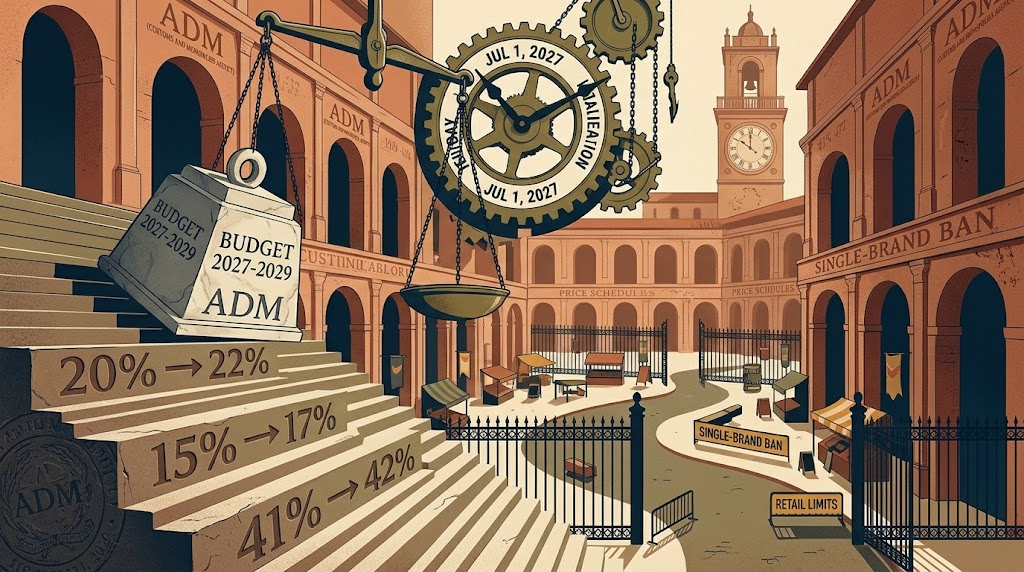
Italy's proposed 2027–2029 budget would bring forward scheduled tax increases for e-cigarette liquids and heated tobacco products from January 1, 2028, to July 1, 2027. The consumption tax coefficient for nicotine-containing e-liquids would rise from 20% to 22%, that for nicotine-free liquids and applicable flavorings from 15% to 17%, and the heated-tobacco coefficient from 41% to 42%. The bill would also introduce official retail price schedules for e-liquids, restrict exclusive agreements between retailers and suppliers, and limit single-brand-dominated displays, sales incentives and bundled offers. Importing, authorized warehousing and retailer sourcing arrangements would also change. The proposals remain subject to parliamentary approval and subsequent implementing regulations.
Regulations
Nov.04
Altria Showcases Ploom, Marlboro Heated Tobacco Sticks and Non-Nicotine Energy Products at NACS Show 2026
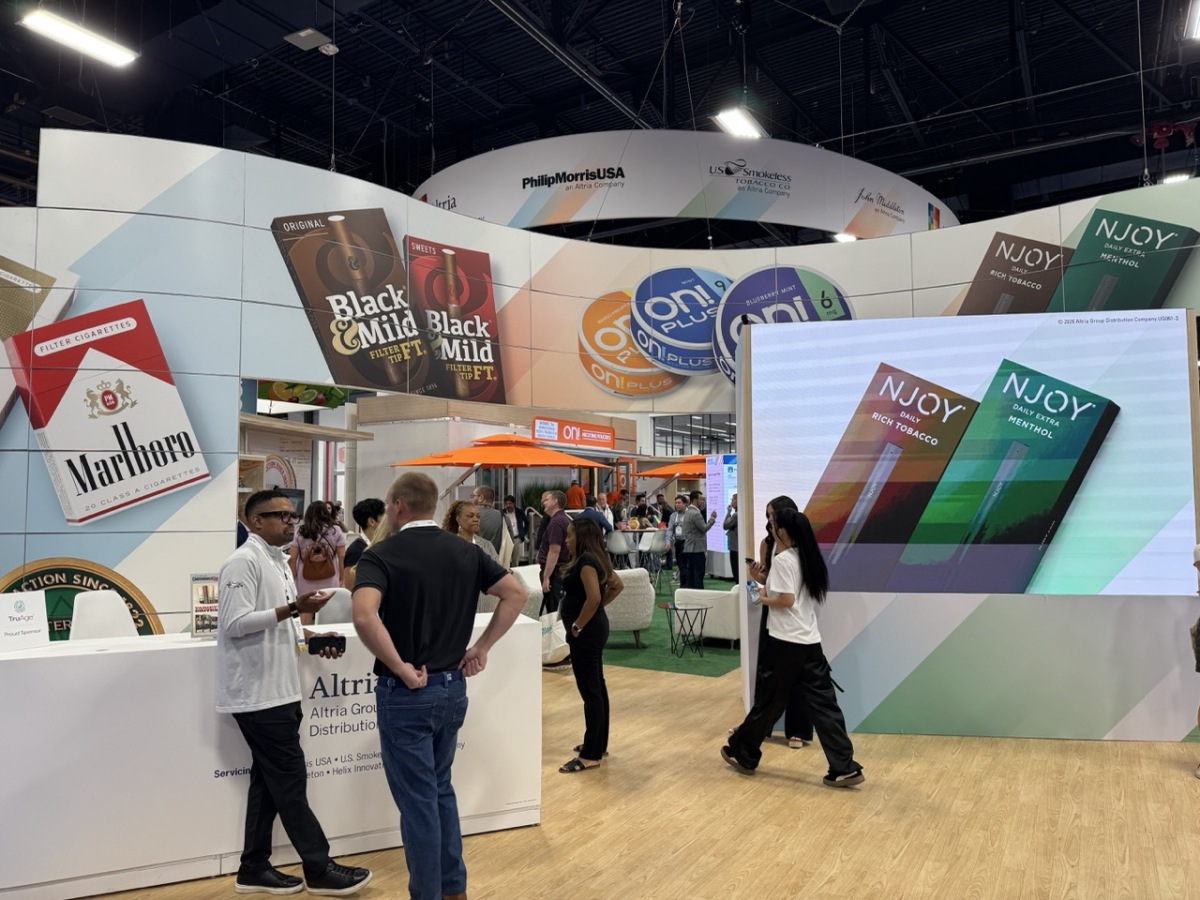
At the 2026 NACS Show, Altria displayed Ploom devices alongside imagery of Marlboro-branded heated tobacco sticks, while also featuring RIOT Energy and Proper Wild non-nicotine products. The booth showcased on! PLUS nicotine pouches, including 12 mg variants not listed among FDA-authorized products as of October 9, and NJOY e-cigarettes. Altria also presented convenience-store traffic figures highlighting its retail presence. 2Firsts examines the company's expanded product portfolio, non-nicotine business activities and the regulatory status of products displayed at the show.
EXPO
Oct.10
Reuters Reveals California Raid on Illegal Vape Factory Involving Geek Bar and Foger, Days After WSJ Reported Importer's $1 Billion Factory Plan and White House Lobbying to Release Detained Vape Imports
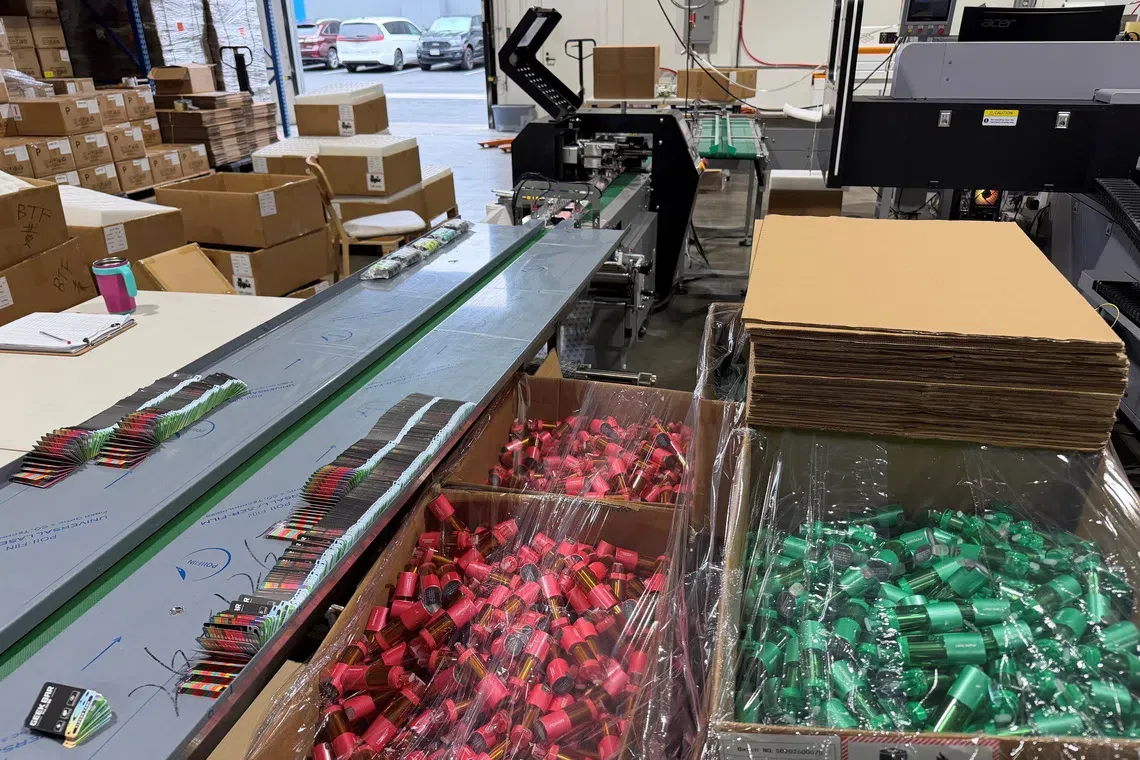
US authorities raided a suspected illegal vape manufacturing facility in Chino, California, on October 30, 2026, discovering production and packaging machinery, unfinished vaping devices and approximately 850,000 vape-related items associated with brands including Geek Bar and Foger, Reuters reported on November 17. A person involved in the investigation said the raid provided concrete evidence of some manufacturing activities involving major Chinese vape labels taking place in the United States. Four days earlier, The Wall Street Journal reported that Hillfield, a US importer of Geek Bar products, had enlisted politically connected advisers to seek the release of detained vape shipments while presenting a $1 billion US manufacturing plan to the White House. No connection between the proposed investment and the raided facility has been established.
Enforcement
Nov.17
2Firsts First Look|China to End VAT Export Rebates on Vape Devices and Nicotine in April 2027, Following Earlier Removal for HTP Devices and Nicotine Vapes
China's Ministry of Finance and State Taxation Administration announced on October 12, 2026, that value-added tax (VAT) export rebates for vape devices, nicotine and its salts, and certain non-combustible inhalation products will be eliminated from April 1, 2027. The measure adds four tobacco- and nicotine-related customs codes, including 8543400010, which covers vape devices and qualifying empty pods. China previously eliminated rebates for nicotine-containing vaping products and devices under code 8543400090 in April 2026. According to industry classification information held by 2Firsts, the latter currently corresponds to heated tobacco devices. Export excise tax refund and exemption arrangements will remain unchanged.
Special Report
Oct.12
Japan's Heated Tobacco Use Rises From 0.1% to 14.9% Over a Decade as Growth Extends Beyond Cigarette Switching
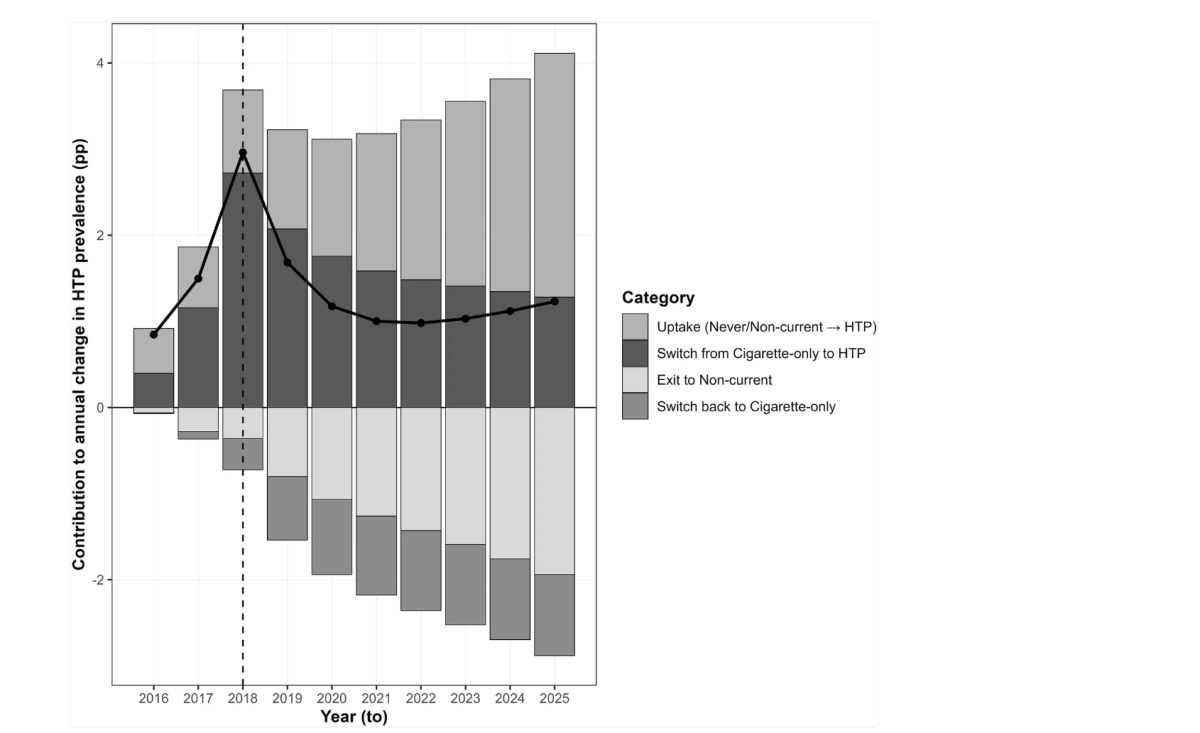
A decade-long study published in The Lancet Regional Health – Western Pacific found that heated tobacco product use in Japan increased from 0.1% in 2015 to 14.9% in 2025, although growth slowed after 2018. Switching from conventional cigarettes remained an important source of HTP uptake, while the contribution from previously non-current users increased. Approximately 56% of HTP users also smoked conventional cigarettes in 2025. Separate industry data show that Japan's heated tobacco sales reached 73.4 billion units in fiscal 2025, approaching conventional cigarette sales of 78.2 billion units.
SCIENCE
Nov.10
Philippines Mandates Safety Certification for Nicotine Pouches, Gives Industry 12 Months to Comply
The Philippines Department of Trade and Industry has placed nicotine pouches under mandatory product certification through Department Administrative Order No. 26-07, Series of 2026. Nicotine pouches must obtain a Philippine Standard, or PS, license before they can be manufactured, imported, packed, distributed or sold in the country. The regime requires testing for nicotine content, pH and water activity, while packaging must disclose nicotine strength, ingredients, allergens, batch information, the PS certification mark and prescribed health warnings. Existing market participants have a 12-month transition period to comply.
Regulations
Oct.12