
According to the Dutch Daily on August 5th, Philip Morris International (PMI) has avoided the ban on flavored tobacco and e-cigarette products in the Netherlands by introducing a new type of cigarette alternative made from cellulose. The Netherlands has prohibited the sale of mint cigarettes since May 2020, and flavored e-cigarette products have been banned since the beginning of this year.
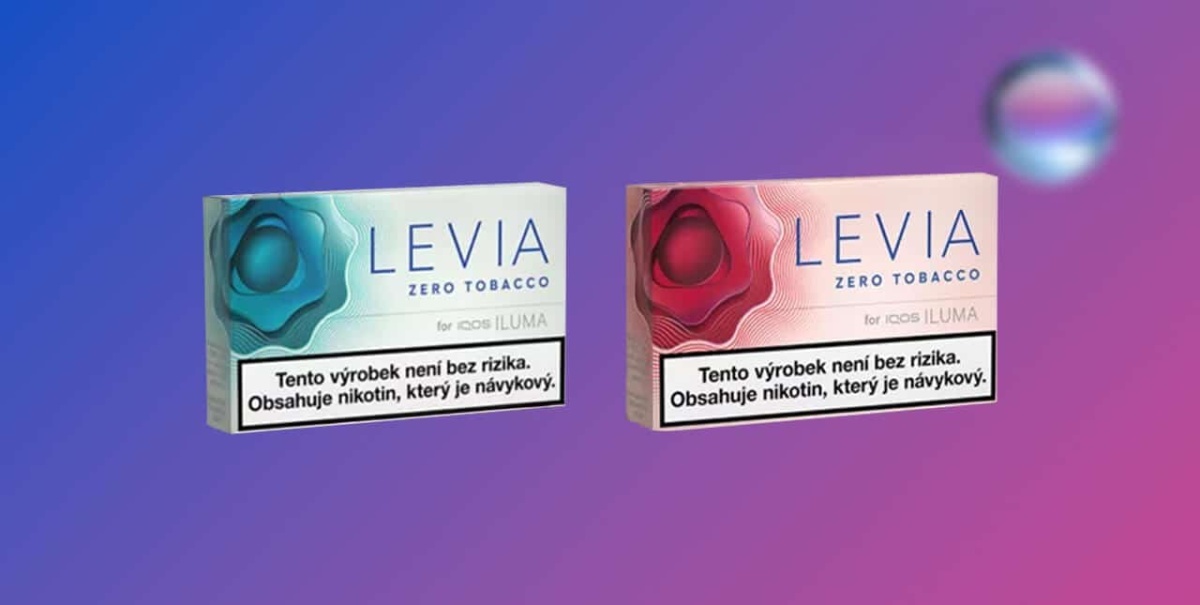
It is reported that a product called Levia is being sold in packs of 20, with pods containing nicotine made from cellulose instead of tobacco, making them not subject to the ban. Each pack is priced at 6.60 euros and comes in two flavors - Island Beat in mint flavor and Electro-Rouge in berry flavor. Users insert these cigarette-like pods into a heating device similar to an e-cigarette, which releases chemicals through heating rather than combustion.
The Rookvrije Generatie movement organization claims that Levia is simply a tactic to continue selling flavored smoking products. The organization's spokesperson, Dave Krajenbrink, stated that.
They may not contain tobacco, but they are filled with addictive nicotine.
The Netherlands Authority for Consumers and Markets (NVWA) stated that because Levia is considered an herbal product and is not covered by tobacco legislation, they cannot take action against it. However, a legislative amendment may bring about changes, potentially bringing non-tobacco nicotine products under regulation.
Philip Morris International (PMI) is currently refusing to comment on the issue.
However, the company's CEO Jacek Olczak stated in a speech to investors last year that this product may avoid heavy taxes and regulations imposed on other products. Olczak mentioned in a report that...
Levia may not be subject to seasoning regulations in certain areas and is not applicable within existing financial categories.
Currently, adolescents under 18 should not be allowed to purchase e-cigarette devices and e-liquid. According to data from the Netherlands Addiction Institute Trimbos, the majority of Dutch young people who use e-cigarettes also smoke traditional cigarettes, overturning the theory that tobacco products would mutually inhibit each other. In 2023, 10% of adolescents aged 12 to 14 have used e-cigarettes, while the number has increased to nearly a quarter for those aged 15 to 17. Trimbos' survey also shows that almost one-third of young people aged 12 to 25 smoke, and nearly seventy percent of e-cigarette users also smoke traditional cigarettes.
We welcome news tips, article submissions, interview requests, or comments on this piece.
Please contact us at info@2firsts.com, or reach out to Alan Zhao, CEO of 2Firsts, on LinkedIn
Notice
1. This article is intended solely for professional research purposes related to industry, technology, and policy. Any references to brands or products are made purely for objective description and do not constitute any form of endorsement, recommendation, or promotion by 2Firsts.
2. The use of nicotine-containing products — including, but not limited to, cigarettes, e-cigarettes, nicotine pouchand heated tobacco products — carries significant health risks. Users are responsible for complying with all applicable laws and regulations in their respective jurisdictions.
3. This article is not intended to serve as the basis for any investment decisions or financial advice. 2Firsts assumes no direct or indirect liability for any inaccuracies or errors in the content.
4. Access to this article is strictly prohibited for individuals below the legal age in their jurisdiction.
Copyright
This article is either an original work created by 2Firsts or a reproduction from third-party sources with proper attribution. All copyrights and usage rights belong to 2Firsts or the original content provider. Unauthorized reproduction, distribution, or any other form of unauthorized use by any individual or organization is strictly prohibited. Violators will be held legally accountable.
For copyright-related inquiries, please contact: info@2firsts.com
AI Assistance Disclaimer
This article may have been enhanced using AI tools to improve translation and editorial efficiency. However, due to technical limitations, inaccuracies may occur. Readers are encouraged to refer to the cited sources for the most accurate information.
We welcome any corrections or feedback. Please contact us at: info@2firsts.com