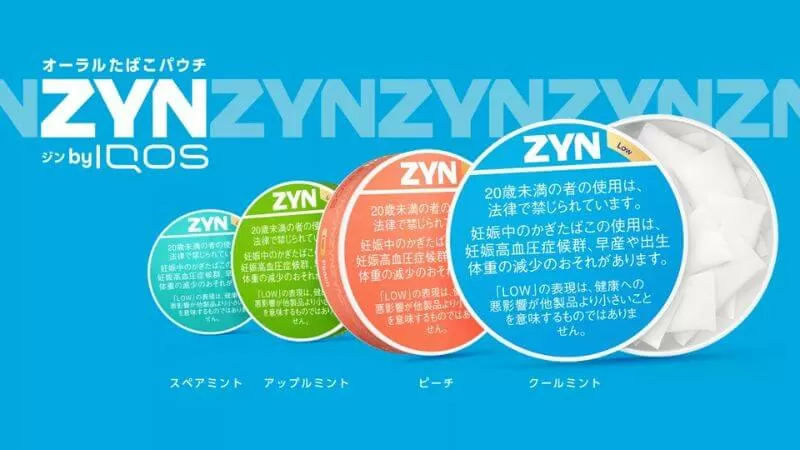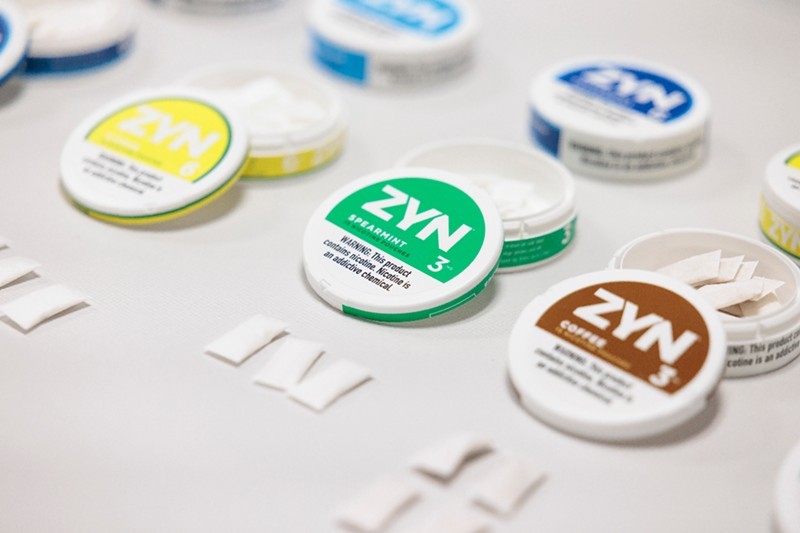
According to a report by Westword on July 16th, the city of Aurora, Colorado will soon be home to a new factory for the production of ZYN nicotine pouches by Philip Morris International (PMI).
According to PMI, the $600 million investment in the factory is expected to create 500 jobs in Colorado over the next two years.
Stacey Kennedy, President and CEO of PMI's US operations, stated during a press conference on July 16th that...
These 500 job positions are good job positions that support families.
The ZYN factory in Aurora will be located a few miles south of Denver International Airport, spanning 150 acres near 48th Avenue and Harvest Road. According to PMI, a groundbreaking ceremony will be held later this year, with full production expected to begin in 2026.
PMI stated that in addition to permanent jobs, the construction of the factory will create over 5000 temporary jobs and have a $1 billion economic impact on the region. The company expects the factory to also create 1000 indirect jobs and bring a sustained economic impact of $550 million annually to Aurora.
The Governor of the state, Jared Polis, predicts that the factory "will generate millions of dollars in tax revenue each year.
Aurora Mayor Mike Coffman stated that...
We are very happy to help Colorado become the best state for business. When companies like PMI are making location decisions, there are many factors to consider... They typically look at labor and operating costs, and we have a strong commitment to both aspects.
Kennedy stated,
Adult tobacco users and smokers around the world are seeking smoke-free alternatives. The factory we announced today in Aurora will support the growth driven by demand in the mid-term.
Over the past year, the popularity of nicotine pouches, particularly ZYN nicotine pouches, has rapidly increased. Last year, PMI sold over 350 million cans of ZYN nicotine pouches, with sales increasing by 62% compared to 2022. It is projected that by 2024, ZYN nicotine pouches will contribute over $2 billion in revenue for PMI.
State Senator Kyle Mullica stated that he will continue to hold tobacco companies accountable while supporting the ZYN factory.
After efforts to ban flavored tobacco products statewide failed in 2022, Murica pushed for legislation allowing Colorado counties to ban tobacco sales and prohibit the sale of unapproved vaping devices, but was unsuccessful. He expressed plans to continue pushing for similar legislation and also voiced support for a new ZYN factory.
This does not mean that I am unwilling to hold the industry accountable. I am also an advocate for ensuring job opportunities and high-paying jobs for our community, and I believe you can have both.
We welcome news tips, article submissions, interview requests, or comments on this piece.
Please contact us at info@2firsts.com, or reach out to Alan Zhao, CEO of 2Firsts, on LinkedIn
Notice
1. This article is intended solely for professional research purposes related to industry, technology, and policy. Any references to brands or products are made purely for objective description and do not constitute any form of endorsement, recommendation, or promotion by 2Firsts.
2. The use of nicotine-containing products — including, but not limited to, cigarettes, e-cigarettes, nicotine pouchand heated tobacco products — carries significant health risks. Users are responsible for complying with all applicable laws and regulations in their respective jurisdictions.
3. This article is not intended to serve as the basis for any investment decisions or financial advice. 2Firsts assumes no direct or indirect liability for any inaccuracies or errors in the content.
4. Access to this article is strictly prohibited for individuals below the legal age in their jurisdiction.
Copyright
This article is either an original work created by 2Firsts or a reproduction from third-party sources with proper attribution. All copyrights and usage rights belong to 2Firsts or the original content provider. Unauthorized reproduction, distribution, or any other form of unauthorized use by any individual or organization is strictly prohibited. Violators will be held legally accountable.
For copyright-related inquiries, please contact: info@2firsts.com
AI Assistance Disclaimer
This article may have been enhanced using AI tools to improve translation and editorial efficiency. However, due to technical limitations, inaccuracies may occur. Readers are encouraged to refer to the cited sources for the most accurate information.
We welcome any corrections or feedback. Please contact us at: info@2firsts.com