Key Points
- Shopify reportedly plans to ban all vapes.
- U.S. enforcement is targeting e-commerce infrastructure.
- The illegal U.S. vape market is estimated at $9 billion.
- Mastercard has also warned payment partners.
2Firsts
June 23, 2026
According to Reuters, Canadian e-commerce infrastructure provider Shopify Inc. may ban all vape products from its platform as soon as this week. Two sources familiar with the plans said the move follows pressure from a coalition of U.S. state attorneys general seeking to curb online sales of illegal e-cigarettes.
Platform-Level Blocking
Shopify, headquartered in Ottawa, provides the underlying infrastructure that allows millions of merchants to operate e-commerce websites and sales channels. Reuters reported that Shopify has been in talks since last year with a bipartisan coalition of 25 U.S. state attorneys general. The coalition has pushed Shopify to take stronger action against merchants using its services to sell illegal tobacco products, particularly illegal e-cigarettes.
A Shopify spokesperson said in a statement that the company has always prohibited illegal activity and takes action when it becomes aware of merchants violating its policies. The spokesperson also said such internal decisions take global legal frameworks into account and are not based on feedback from any one group. “We adjust our enforcement approach when legal changes call for it,” the spokesperson said.
Reuters said the expected ban would mark one of the most significant wins so far for state law enforcement officials targeting the infrastructure of the illegal vape industry. One source said the ban could disrupt e-commerce sales and have a “chilling effect” on sellers.
In the U.S., the Shopify ban would apply to all vape products regardless of whether they have required FDA marketing authorization. Shopify did not answer Reuters’ question on whether the ban would apply beyond the United States. Reuters noted that some countries, such as India, have banned vape sales altogether, while Australia allows vapes to be sold only through pharmacies.
Illegal Market and Legal Channels
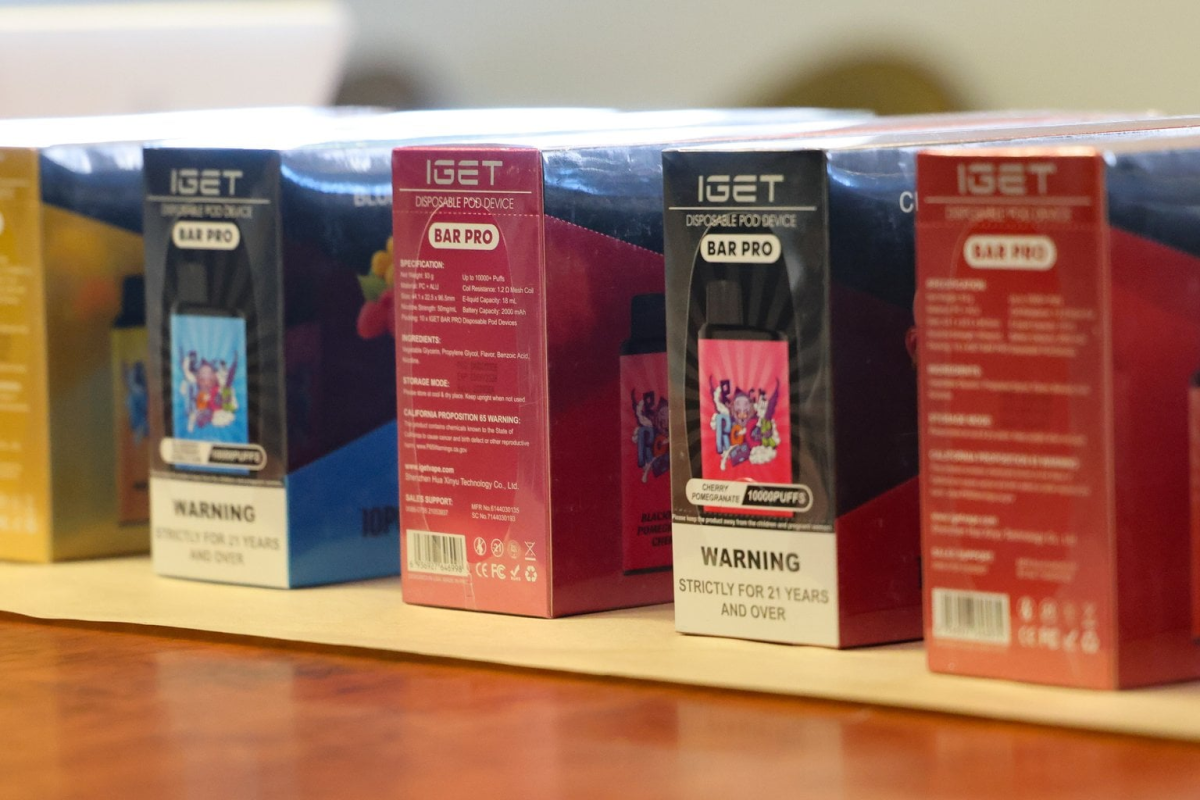
Reuters reported that unauthorized vapes, usually made in China, remain widely available in the United States online and in vape shops, convenience stores and gas stations, despite being illegal to import or sell.
British American Tobacco estimates that the illegal U.S. vape market is worth about $9 billion. BAT’s U.S. business has been hit hard by the proliferation of illegal vapes. Reuters said the FDA has so far granted marketing authorization to only 45 e-cigarette products, mostly tobacco-flavored.
Large tobacco companies, including BAT, argue that the limited number of FDA-authorized products and narrow flavor range have constrained the legal vape market and helped fuel illegal sales. Regulators and state enforcement officials, however, stress that unauthorized vapes may pose public-health risks, particularly through youth access and flavor appeal.
Reuters cited one source as saying that only a relatively small share of authorized vape sales in the United States occurs online, which should limit the impact of Shopify’s ban on licensed players such as BAT or e-cigarette maker Juul. E-commerce is more important for illegal vapes, although most of those products are still sold through brick-and-mortar stores.
That means the industry impact of Shopify’s ban is not simply the removal of individual merchants. It could cut off part of the online storefront, front-end payment and order-conversion infrastructure used by illegal vape sellers. For illicit or grey-market merchants that rely on independent websites and social-media traffic, tighter platform controls would raise customer-acquisition and transaction costs.
Payment Networks Add Pressure
Reuters also reported that credit-card issuer Mastercard issued a global notice in May to partners responsible for adding merchants to its network, warning that unlicensed vape sales violate its standards.
Those partners, known as acquirers, are financial institutions that act as intermediaries to complete credit-card transactions. According to the notice obtained by Reuters, Mastercard said that when acquirers register a merchant, they are attesting that appropriate controls are in place to ensure the merchant’s activities do not violate the law.
Mastercard recommended that acquirers implement controls including reviewing and approving merchant product inventories and monitoring transactions and invoices. Mastercard said it would launch investigations if stores selling illegal vapes used its services, potentially targeting both retailers and acquirers. Parties that fail to comply with its standards could face fines. Mastercard said it has zero tolerance for unlawful activity on its network.
A coalition of state attorneys general had previously sent an April letter to Mastercard and other major card networks or payment processors, urging stronger action to prevent their networks from being used to facilitate illegal vape sales.
Separately, the California Attorney General’s Office said California Attorney General Rob Bonta and the City of New York co-led a bipartisan coalition that sent a November 2025 letter to Shopify urging stronger action against illegal e-cigarette sellers. The coalition identified 29 illegal e-cigarette websites hosted on Shopify and listed more than 200 additional websites known to sell illegal tobacco products, saying both lists were not exhaustive.
From an industry perspective, U.S. enforcement against illegal vapes is moving beyond product authorization, customs import controls, physical retail checks and warehouse seizures into e-commerce SaaS platforms, payment networks, acquirers and independent-store infrastructure. The trend could push online tobacco and nicotine-product sales into a stricter compliance-screening environment.
For legal vape and nicotine companies, platform and payment enforcement could have two effects. On one hand, it may restrict illegal merchants’ online customer-acquisition and transaction pathways, reducing non-compliant competition. On the other hand, if platforms adopt broad bans rather than product-by-product screening, even authorized products may be excluded from e-commerce channels, increasing channel uncertainty for compliant businesses.
Key issues to watch include whether Shopify formally announces the ban, whether it is limited to the U.S. market, whether it covers accessories and non-nicotine vape products, how it treats FDA-authorized products, and whether payment networks expand reviews and penalties for vape merchants.
Follow 2Firsts for the latest updates on global tobacco harm reduction, nicotine products and regulatory developments.
封面图源:webandcrafts
Cover image:webandcrafts