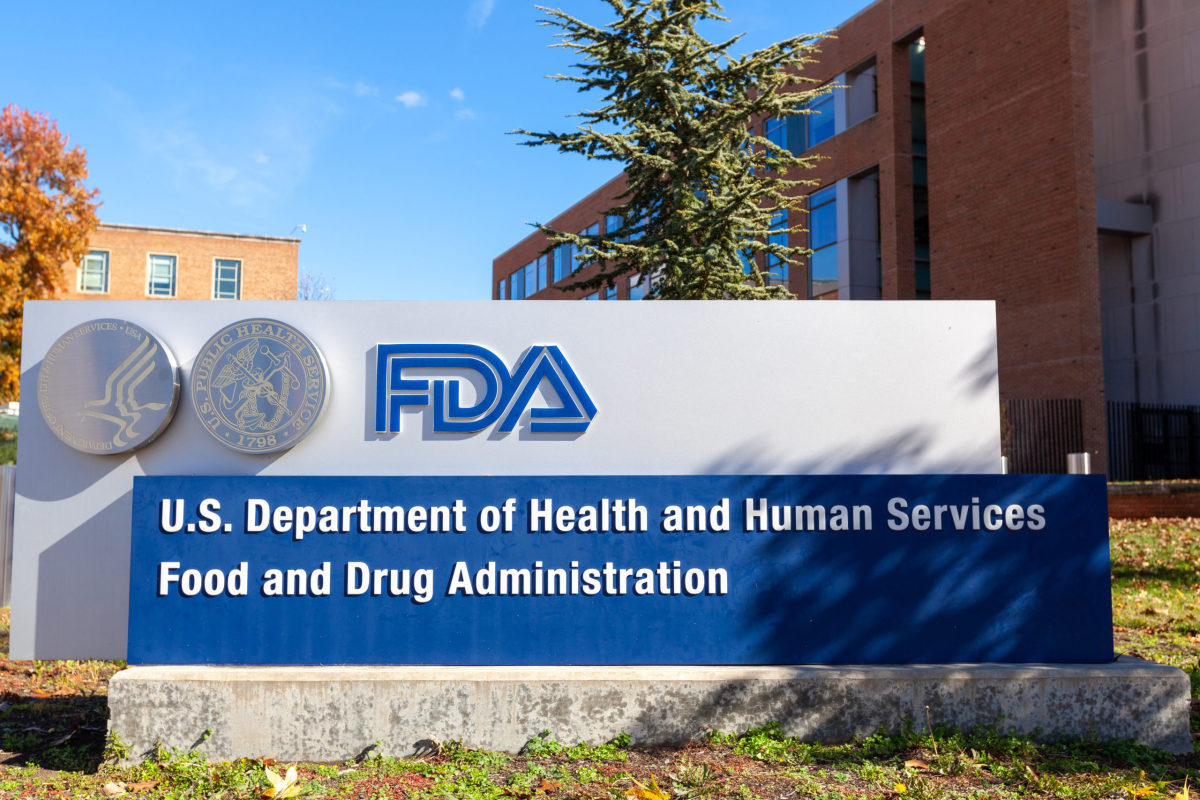
According to a report by Bloomberg on April 2nd, the American public health organization has filed a second lawsuit against US regulatory agencies for failing to implement a plan to ban the sale of menthol tobacco products on time. The lawsuit, filed on Tuesday, alleges that the Food and Drug Administration (FDA) unlawfully and unreasonably delayed life-saving regulations.
According to Phillip Gardiner, co-chair of the African American Tobacco Control Leadership Council, the FDA has repeatedly failed to take action against menthol tobacco within the specified deadlines. A representative from the organization, which is suing the FDA, stated, "If past behavior is any indication of future performance, then they will once again sit on the sidelines."
Data from the Centers for Disease Control and Prevention (CDC) show that between 1980 and 2018, over 10 million Americans began smoking due to menthol cigarettes, and approximately 378,000 people died prematurely. Menthol cigarettes are particularly popular among African American smokers, largely due to aggressive marketing by tobacco companies in black communities and sponsorship of events like jazz concerts. In the United States, about 40% of the cases of premature death caused by menthol cigarette use are among African Americans.
The public health organization had previously filed a lawsuit against the FDA in 2020 for its inaction, but the lawsuit was dismissed when the FDA announced two proposed regulations to ban the sale of menthol cigarettes and flavored cigars in April 2022.
However, the FDA has delayed the final ruling on menthol tobacco until August 2023, then again in December, and then rescheduled it for March 2024. Kelsey Romeo-Stuppy, an attorney for one of the organizations dedicated to fighting smoking and promoting health, stated, "The FDA no longer has any procedural reason not to pass this regulation."
The lawsuit alleges that the FDA's inaction on menthol tobacco is consistent with its pattern of behavior when faced with public health risks, including delays in action on opioid crisis and contaminated baby formula issues. The global market for tobacco companies is facing a decrease in menthol sales, with the EU banning sales of menthol tobacco since 2020 and Canada since 2017. In the US, California, Massachusetts, and dozens of counties have also implemented local bans on menthol.
We welcome news tips, article submissions, interview requests, or comments on this piece.
Please contact us at info@2firsts.com, or reach out to Alan Zhao, CEO of 2Firsts, on LinkedIn
Notice
1. This article is intended solely for professional research purposes related to industry, technology, and policy. Any references to brands or products are made purely for objective description and do not constitute any form of endorsement, recommendation, or promotion by 2Firsts.
2. The use of nicotine-containing products — including, but not limited to, cigarettes, e-cigarettes, nicotine pouchand heated tobacco products — carries significant health risks. Users are responsible for complying with all applicable laws and regulations in their respective jurisdictions.
3. This article is not intended to serve as the basis for any investment decisions or financial advice. 2Firsts assumes no direct or indirect liability for any inaccuracies or errors in the content.
4. Access to this article is strictly prohibited for individuals below the legal age in their jurisdiction.
Copyright
This article is either an original work created by 2Firsts or a reproduction from third-party sources with proper attribution. All copyrights and usage rights belong to 2Firsts or the original content provider. Unauthorized reproduction, distribution, or any other form of unauthorized use by any individual or organization is strictly prohibited. Violators will be held legally accountable.
For copyright-related inquiries, please contact: info@2firsts.com
AI Assistance Disclaimer
This article may have been enhanced using AI tools to improve translation and editorial efficiency. However, due to technical limitations, inaccuracies may occur. Readers are encouraged to refer to the cited sources for the most accurate information.
We welcome any corrections or feedback. Please contact us at: info@2firsts.com