Selangor, Malaysia to Hold Meeting on Proposed E-Cigarette Sales Ban

Apr.25.2025
Selangor, Malaysia to Hold Meeting on Proposed E-Cigarette Sales Ban
On April 24, 2024, Selangor, Malaysia announced plans to hold a multi-stakeholder meeting to discuss a potential full ban on e-cigarette sales, focusing on enforcement mechanisms, legal grounds, and public health considerations.

The main points are as follows: 

1. The Selangor state government, in collaboration with the Public Health Committee, the Chief Minister's Office, and the State Health Department, will hold a meeting in the near future to assess the necessity of a total ban on the sale of e-cigarettes. 

2. Selangor currently only issues licenses for the sale of electronic devices, excluding e-cigarette devices or e-liquid products, indicating a regulatory gap at the local level. 

3. Federal agencies such as the Ministry of Domestic Trade and Consumer Affairs (KPDN) will be involved to ensure a comprehensive evaluation in terms of legality, enforcement, and socio-economic impact.


According to a report by the Malaysian National News Agency, the Selangor State Committee of Public Health and Environment, the State Chief Minister's Office, and the State Health Department (JKNS) will soon convene a joint meeting to review whether it is necessary to ban the sale of e-cigarettes in the state of Selangor.


Chairperson of the Selangor State Public Health and Environment Committee, Jamaliah Jamaluddin, stated that the meeting will also invite other stakeholders, including relevant federal and state government departments and agencies, as well as local governments (PBT) to participate in the discussion.


In a statement today, she said, "The discussion is expected to also involve agencies such as the Ministry of Domestic Trade and Consumer Affairs (KPDN) to fully understand the enforcement, legal aspects, and the impact of the ban on the socioeconomic aspects of society."


She pointed out that at the federal level, the Ministry of Health (MOH) and State Health Departments (JKNS) play crucial roles in regulating the registration, labeling, and packaging of tobacco products, as well as enforcing bans on smoking and e-cigarettes. These responsibilities are carried out in accordance with the Public Health (Control of Smoking Product) Act 2024 (Act 852).


At the state government level, she explained that currently business licenses issued by local governments only cover the sale of electronic devices and do not include e-cigarette devices or e-liquid products.


She emphasized, "The state government must clarify that any decision will be based on detailed research, and will take into account the interests of public health, law enforcement effectiveness, and the well-being of the people of Selangor."


"I appreciate the concerns from all parties, including the Deputy Chief Police Officer Datuk Seri Ayob Khan Mydin Pitchay and his recent proposal. We promise to thoroughly and inclusively examine this issue."


Previously, the government of Dangjialou Province announced that starting from August 1, 2025, a policy prohibiting the sale of e-cigarette products will be implemented province-wide.


On April 18, 2025, the Selangor Chief Minister Datuk Seri Amirudin Shari also stated that the state government is prepared to reassess the necessity of banning e-cigarette sales in Selangor based on the advice of the Health Minister.


We welcome news tips, article submissions, interview requests, or comments on this piece.

Please contact us at info@2firsts.com, or reach out to Alan Zhao, CEO of 2Firsts, on LinkedIn


Notice

1.  This article is intended solely for professional research purposes related to industry, technology, and policy. Any references to brands or products are made purely for objective description and do not constitute any form of endorsement, recommendation, or promotion by 2Firsts.

2.  The use of nicotine-containing products — including, but not limited to, cigarettes, e-cigarettes, nicotine pouchand heated tobacco products — carries significant health risks. Users are responsible for complying with all applicable laws and regulations in their respective jurisdictions.

3.  This article is not intended to serve as the basis for any investment decisions or financial advice. 2Firsts assumes no direct or indirect liability for any inaccuracies or errors in the content.

4.  Access to this article is strictly prohibited for individuals below the legal age in their jurisdiction.


Copyright


This article is either an original work created by 2Firsts or a reproduction from third-party sources with proper attribution. All copyrights and usage rights belong to 2Firsts or the original content provider. Unauthorized reproduction, distribution, or any other form of unauthorized use by any individual or organization is strictly prohibited. Violators will be held legally accountable.

For copyright-related inquiries, please contact: info@2firsts.com


AI Assistance Disclaimer


This article may have been enhanced using AI tools to improve translation and editorial efficiency. However, due to technical limitations, inaccuracies may occur. Readers are encouraged to refer to the cited sources for the most accurate information.

We welcome any corrections or feedback. Please contact us at: info@2firsts.com

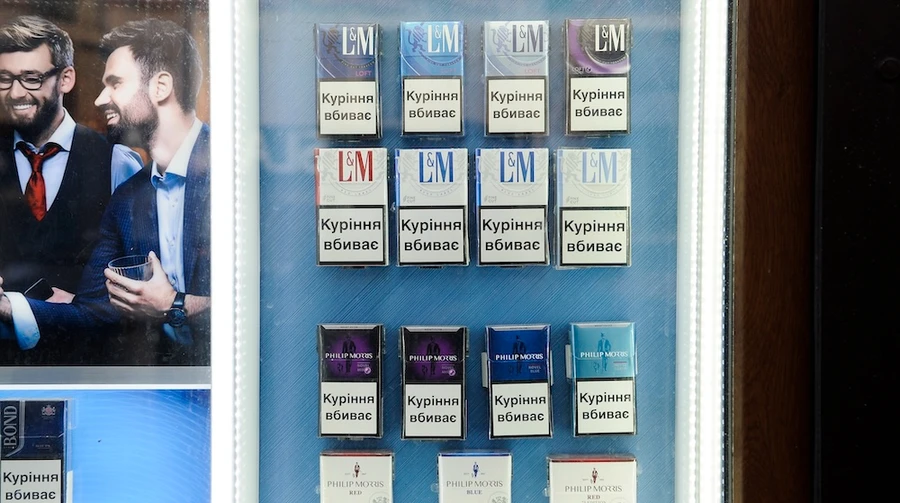
Russian Strikes Destroy JTI and Imperial Brands Ukraine Warehouses, With Losses Reaching Tens of Millions of Hryvnias
According to Ukrainska Pravda, Russian strikes on the Kyiv region during the night of Aug. 4-5, 2026, damaged warehouses storing products of Japan Tobacco International (JTI) and Imperial Brands Ukraine. JTI said a finished goods warehouse in Kyiv Oblast was destroyed, with no employees injured, and that it did not expect disruptions to retail supplies. Imperial Brands Ukraine said products stored at warehouses of distributors and retail partners were affected and estimated losses from the strikes at “tens of millions of Ukrainian hryvnias” (roughly hundreds of thousands of U.S. dollars).
JTI
Aug.07
SMOORE’s DOJO by VAPORESSO to Launch New Global Brand Identity on September 1
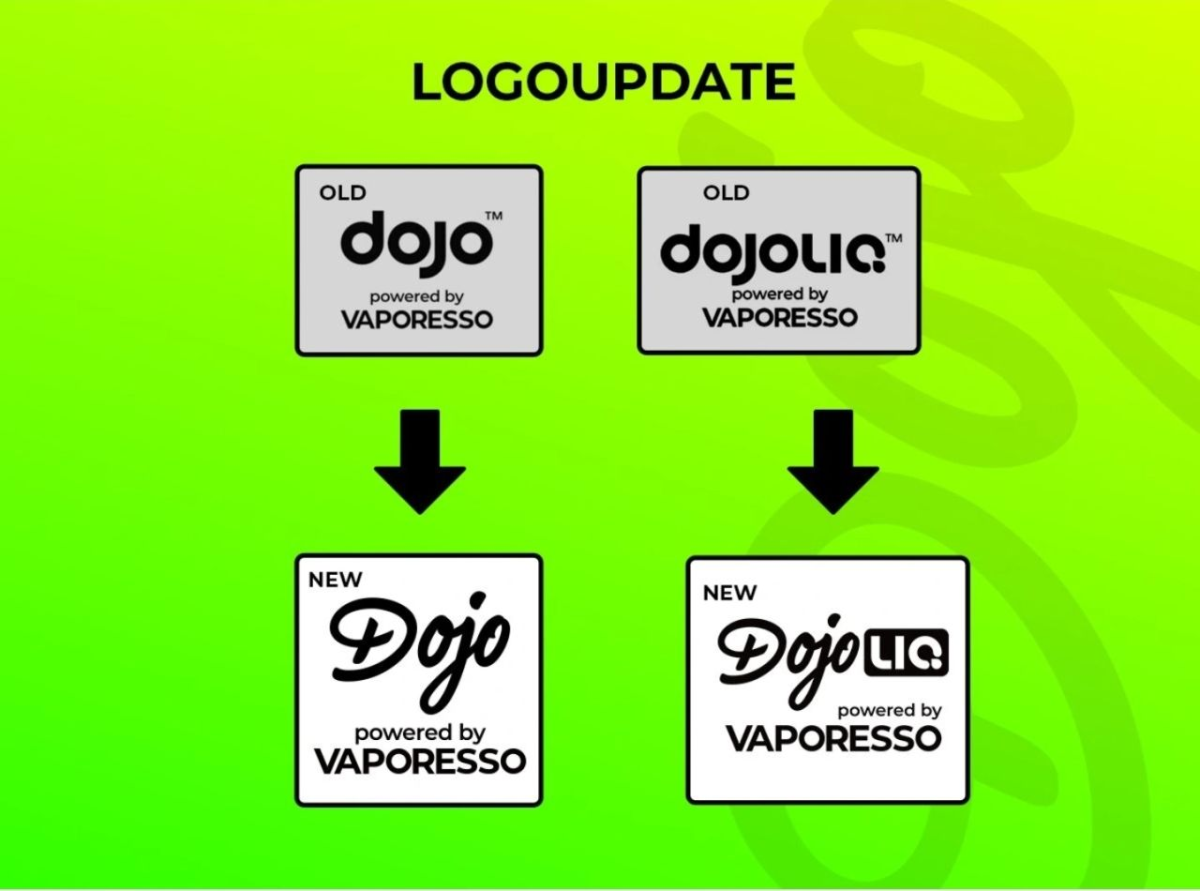
According to recent LinkedIn posts from people at VAPORESSO, SMOORE and a German distribution partner, vape brand DOJO will begin rolling out a new global brand identity on September 1, 2026, led by a redesigned handwritten logo. The new visual system will be gradually applied across product packaging, marketing materials and digital assets over the following months. Fabio Corsaro, Head of Marketing and Purchasing at MG Wesel GmbH, said the rebrand was related to trademark issues, but that explanation has not been publicly confirmed by DOJO, VAPORESSO or SMOORE. DOJO is currently promoting its Blast X product in Germany.
Aug.31
Product | VAPORESSO Launches PRIX MTL Pod, With NFC Version Linking Interchangeable Panels to On-Screen Animations
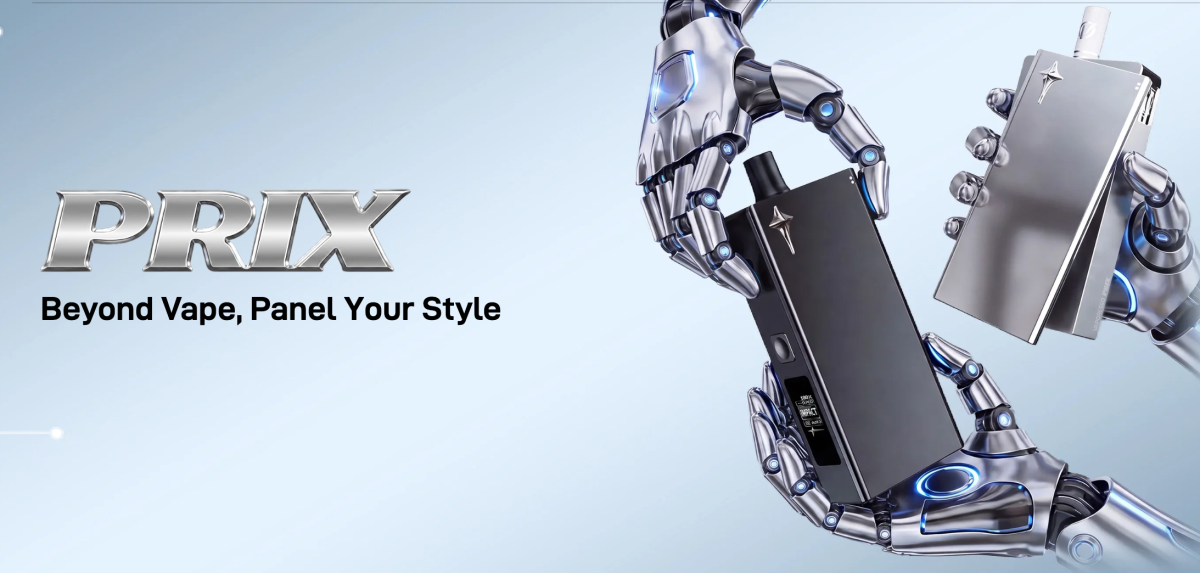
VAPORESSO introduced the PRIX MTL pod system in August 2026 in two versions, Filter and NFC. The Filter version allows users to switch between a conventional drip tip and a filter tip, while the NFC version links interchangeable panels to matching on-screen animations. PRIX features a 2,600mAh battery, a 5.5ml pod, a 0.87-inch TFT display and a maximum output of 40W, alongside Dual Mesh Impact Pods capable of operating at two resistance and power configurations. VAPORESSO's French website lists MSRP at $39.99 for the Filter version and $49.90 for the NFC version.
Market
Aug.24 by 2Firsts Perspectives
Special Report | Can Nicotine Be Replaced? 6-MN Is Already on the Market While Key Human Evidence Is Still Missing
Nicotine analogues such as 6-methylnicotine are already appearing in e-cigarettes and oral pouches, even as key human evidence remains limited. A new Nixodine-S study adds nonclinical data showing differences from nicotine in cytotoxicity and receptor activity, while independent studies point to a more complex toxicological picture. With supply-chain activity growing and FDA seeking clearer authority over nicotine analogues, the industry now faces a larger question: what evidence is needed before these substances can credibly replace nicotine?
SCIENCE
Sep.23
Product | R.J. Reynolds Launches Four Flavored Vuse Pro Pods for Vuse Alto Devices in U.S.
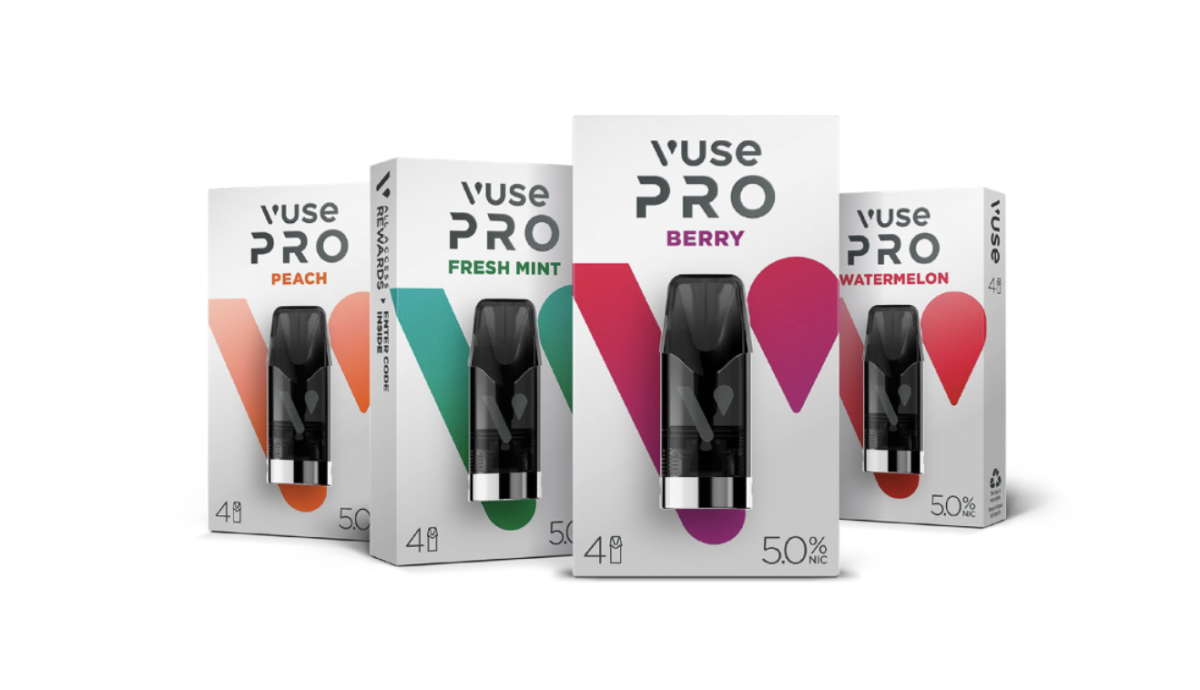
R.J. Reynolds Vapor Company has introduced Vuse Pro prefilled pods in Peach, Berry, Watermelon and Fresh Mint in selected U.S. states. Vuse’s U.S. website says the pods are intended for use with existing Vuse Alto devices. Each contains 2.0 mL of e-liquid at 5.0% nicotine by weight, uses nicotine salts and is offered in two- and four-pod packs. Reynolds said the rollout includes mandatory ID scanning for every purchase, purchase limits, stronger retailer-accountability requirements and strict age-restricted marketing standards. The four pods have not received marketing authorization from the U.S. Food and Drug Administration.
Sep.10
As JUUL2 Wins FDA Authorization, Harm Reduction Journal Highlights the Role of Real-World Evidence in Nicotine Product Regulation
A commentary published in the international open-access, peer-reviewed Harm Reduction Journal argues that randomized controlled trials remain central to evaluating smoking cessation efficacy but cannot alone capture real-world uptake, complete switching, longer-term use and population impact of non-combustible nicotine products such as e-cigarettes, heated tobacco and nicotine pouches. The authors frame impact as “reach × efficacy” and call for real-world evidence to complement RCTs. Three days after publication, the FDA authorized three JUUL2 products and highlighted complete switching among adult smokers in explaining its decision, providing a timely regulatory backdrop to the debate.
Sep.08